 ultimate-guide
Why Choose Small Group Tours: Benefits for Mature Travellers
Table of Contents
- The Real Appeal of Small Group Tours
- Personalised Attention and Comfort Without the Rush
- Small Group Tour vs Large Group Tour: What Actually Differs
- Authentic Experiences and Cultural Immersion
- Safety, Expert Guides, and Peace of Mind
- What to Expect on a Small Group Tour
- Finding the Best Small Group Tour Operators
- Conclusion
Last Updated: August 20, 2026
The Real Appeal of Small Group Tours
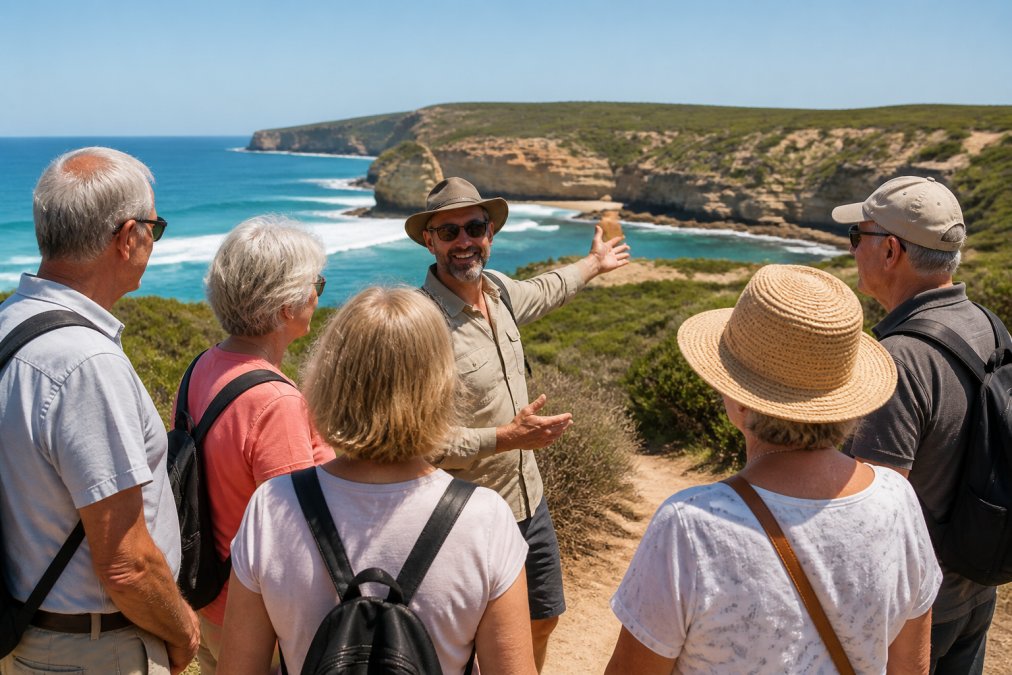
Small group tours have become the preferred choice for travellers tired of the conveyor-belt experience of mainstream tourism. When you travel with eight to twelve people instead of forty, everything changes: you're not herded through attractions on rigid schedules, competing for guide attention, or eating at restaurants chosen for volume rather than quality.
At Curious Compass Collective, we've spent years designing small group tours for mature travellers who value authenticity, comfort, and genuine connection. The real difference isn't just numbers, it's how those numbers fundamentally reshape what's possible on a journey.
This guide explores why small group tours deliver an entirely different travel experience, how they work in practice, and how to find operators who genuinely deliver on the promise of thoughtfully paced, intimate exploration.
Personalised Attention and Comfort Without the Rush
When your group numbers eight to twelve people, the guide can actually see you. They remember your name by day two, notice when you're tired, and adjust the pace accordingly. This transforms the experience: conversation flows naturally instead of guides delivering scripted information to the collective.
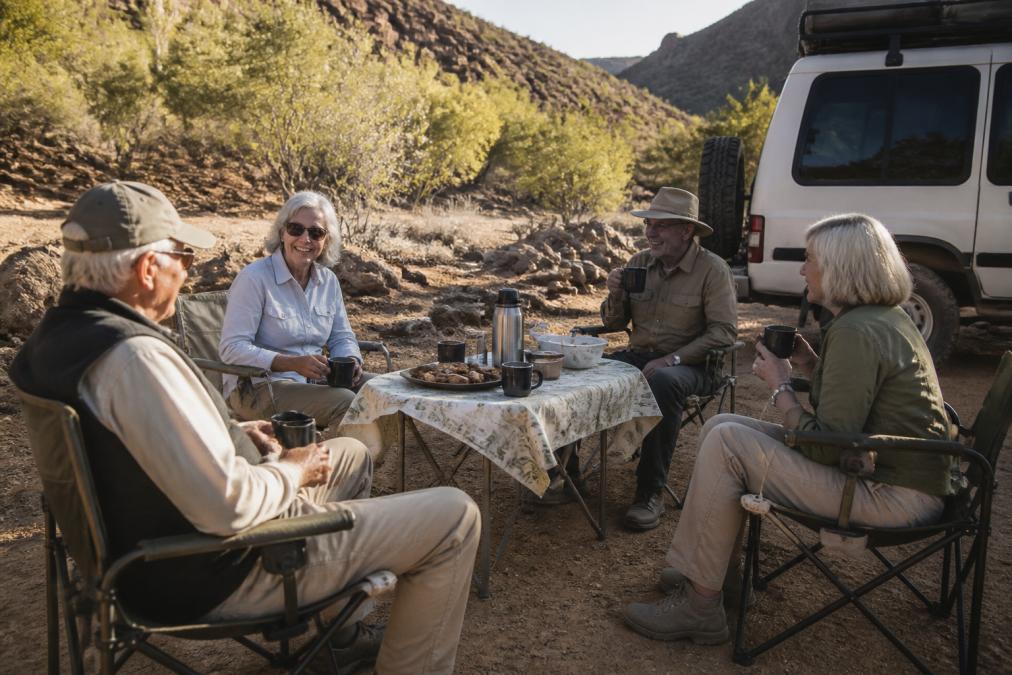
With fewer people, logistics simplify. You're not waiting for stragglers or sitting in vehicles for hours. The pace can be slower and more intentional because there's no pressure to keep everyone moving at the same speed. If you want to spend extra time photographing a landscape or absorbing the environment quietly, you can.
Curious Compass Collective designs itineraries around the reality that mature travellers often need different comfort requirements: more frequent stops, shorter driving days, proper facilities, and flexibility to rest. Because the group is small, these adjustments are simply woven into how the day unfolds.
| Aspect | Small Group Tours | Large Group Tours |
|---|---|---|
| Guide attention | Personalised, conversational | Limited, scripted |
| Pace flexibility | Highly adaptable | Fixed schedule |
| Comfort breaks | Frequent, unrushed | Minimal, scheduled |
| Group dynamics | Intimate, social | Anonymous, transactional |
| Vehicle comfort | Spacious, purpose-designed | Crowded, standard |
Small Group Tour vs Large Group Tour: What Actually Differs
The distinction goes deeper than headcount, it's about operational philosophy. Large group tours are built on efficiency: standardised routes, timing, restaurants, and activities. Deviation costs money. Small group tours operate differently. Because the group is smaller, the economics allow flexibility. A guide can spend time on what genuinely interests the group. If everyone wants to explore a village more deeply, you explore it. If someone has mobility concerns, the itinerary adjusts.
The vehicle itself reflects this difference. Large tours use standard coaches designed to move many people efficiently. Small group tours often use purpose-designed 4WD vehicles suited to the terrain and travellers' comfort. Curious Compass Collective uses purpose-designed 4WD vehicles for remote terrain, so you're not bouncing in a standard coach over rough tracks.
Accommodation patterns differ too. Small group tours may stay in boutique accommodations, family-run guesthouses, or locally-owned lodges offering more character and authentic local connection than chain hotels.
Authentic Experiences and Cultural Immersion
When you're part of a small group, you're not the focus of attention from locals, you're just a handful of curious people exploring their community. That distinction matters enormously for authentic interaction.
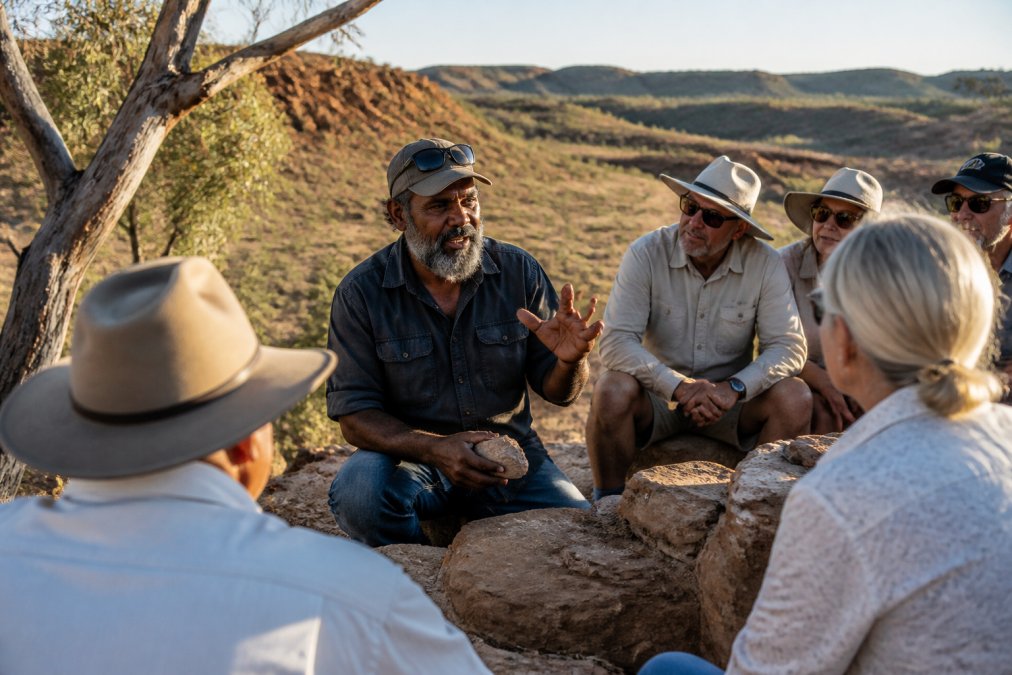
Large group tours create a spectacle. Fifty tourists arriving at a village is an event. Locals either hide or perform. Small groups are less disruptive. A guide who knows the community can introduce you to actual people: a craftsperson in their studio, a family running a local business, someone with genuine knowledge of the landscape and history.
Curious Compass Collective emphasises storytelling as the vehicle for cultural immersion. Expert guides explain the stories behind landmarks and share local knowledge that doesn't appear in guidebooks. The pace supports deeper engagement, you're not rushing from one photo opportunity to the next. You can sit with experiences, ask follow-up questions, and actually absorb what you're learning.
Camaraderie develops naturally in small groups. Shared experiences, a challenging hike, unexpected wildlife encounter, memorable meal, create bonds. By tour's end, you've experienced a destination alongside people who understand what you've seen and felt.
Safety, Expert Guides, and Peace of Mind
For mature travellers exploring remote terrain, safety is non-negotiable. Small group tours deliver concrete advantages here.
Expert guides typically have deep local knowledge and specialised training. They understand terrain, weather patterns, potential hazards, and how to manage them. Because the group is small, the guide actively monitors everyone's wellbeing and adjusts activities based on individual fitness levels.
Curious Compass Collective employs guides combining storytelling expertise with safety professionalism. They're trained in remote area travel, emergency response, and risk management. They know destinations intimately, not just tourist highlights, but practical realities of travel in those areas.
Contingency planning is built into small group operations. If weather changes, someone becomes unwell, or an activity needs adjustment, the guide has flexibility to respond. Purpose-designed 4WD vehicles are maintained to high standards and equipped for terrain, with experienced drivers trained in remote navigation.
Peace of mind comes from knowing someone experienced is actively managing your safety and comfort. You focus on the experience rather than worrying about logistics.
What to Expect on a Small Group Tour
A typical day begins with a briefing about what you'll experience and what to expect physically. The pace is intentional, you're not rushed out at dawn. Breakfast is unhurried, with the guide sharing information about the day's destination as you travel.
Activities vary by tour but are structured around the group's interests and fitness levels. You might explore landscapes on foot, visit cultural sites with expert interpretation, or participate in local activities. The guide reads the group's energy and adjusts accordingly.
Meals are often highlights. Rather than eating at restaurants handling large groups, small group tours eat at places with genuine local character. Guides often have relationships with local restaurants and arrange meals reflecting authentic cuisine.
Accommodation is typically mid-range to comfortable, chosen for character and location rather than standardisation. Evenings often include group time, sharing stories from the day and discussing what you've learned. The pace throughout is thoughtfully managed, you're not exhausted by day three because the itinerary isn't cramming everything into the shortest timeframe.
Finding the Best Small Group Tour Operators
Choosing the right operator matters enormously. Start by examining how they describe their approach. Do they emphasise pace, comfort, and authenticity? Or focus primarily on how many destinations you'll visit? Operators genuinely focused on small group travel emphasise experience quality, not attraction quantity.
Look at group size specifics. Some operators claim small groups but run twenty or more people. Verify actual maximum group size. Eight to twelve is genuinely small. Beyond fifteen to twenty, you're approaching large group territory.
Check what's included. Are meals included or just some? Is accommodation clearly described? Are activities specified? Transparent operators spell out exactly what's included and what's not.
Research the guides. Do they have local expertise? Are they trained in safety and emergency response? Do they have genuine storytelling ability? The best operators employ guides combining deep local knowledge with interpersonal skills and safety training.
Read reviews from actual travellers critically. Look for specific details about what people experienced. Did the pace feel right? Did the guide feel knowledgeable? Was the group composition good? Specific feedback tells you far more than generic praise.
Curious Compass Collective stands out by prioritising what actually matters: expert guides who are storytellers and safety professionals, thoughtfully paced itineraries designed for mature travellers, purpose-designed vehicles suited to terrain, and flexibility built into operations.
Ask potential operators directly about customisation. Can they adjust itineraries for your interests? Accommodate specific comfort requirements? Build private tours? Operators willing to customise usually deliver better experiences because they're focused on what you actually want.
Consider whether the operator has experience with your specific travel style. If you're interested in cultural immersion, do they have tours specifically designed around that? Specialisation matters. An operator experienced with mature travellers' needs delivers a different experience than one treating all travellers the same.
Choosing a small group tour is choosing a different approach to travel. You're prioritising depth over breadth, comfort over speed, and authentic connection over tourist-box-ticking. For mature travellers exploring Australia and the Pacific region, small group tours offer something increasingly rare: the chance to travel at a pace that suits you, with guides who know places deeply, in vehicles designed for terrain, alongside fellow travellers who share your curiosity.
Curious Compass Collective specialises in exactly this kind of travel. With expert guides combining storytelling with safety expertise, purpose-designed 4WD vehicles for remote terrain, and itineraries built around thoughtful pacing rather than rushed schedules, the company delivers the small group experience that genuinely works for mature travellers seeking authentic, comfortable, unhurried exploration. VIEW TOURS
Frequently Asked Questions
How many people typically constitute a small group tour?
Small group tours generally operate with 6 to 15 travellers per group, though some operators cap numbers at 12 to maintain intimacy. This size strikes a balance: large enough to share costs and create camaraderie, small enough that your guide knows your name and preferences. Smaller groups of 6-8 offer maximum personalisation; slightly larger groups (12-15) provide better value for money. The key difference from coach tours is that you'll never feel like a number in a crowd.
What should I look for when selecting the best small group tour operators?
Check whether guides hold relevant safety certifications for remote terrain and that operators carry comprehensive insurance. Read recent reviews specifically mentioning itinerary pacing and guide expertise, not just 'nice experience'. Ask operators directly about group size limits, vehicle standards, and how they handle customisation requests. Verify they've run trips in your chosen region for several seasons. Request references from past travellers, particularly those in your age group or with similar mobility needs. Transparent pricing and a willingness to discuss contingency plans signal reliability.
How do small group tours differ from traditional large-scale coach tours?
Large coach tours typically carry 40-60 passengers, move quickly between sites, and follow rigid schedules with minimal flexibility. Small group tours operate with 6-15 people, allow time to linger at places that captivate you, and can adapt if weather or group interest shifts. Coaches rely on pre-recorded commentary; small groups get expert guides who answer questions and share local knowledge. Coach tours prioritise efficiency and cost-cutting; small groups prioritise experience quality and personal connection. You'll spend less time herding at gift shops and more time exploring at your own pace.
Are small group tours really suitable if I'm not particularly fit or adventurous?
Yes, if you choose the right operator. Small group tours range from cultural and scenic (minimal physical demand) to active adventure (regular walking and 4WD terrain). Reputable operators clearly describe activity levels and physical requirements upfront. Purpose-designed 4WD vehicles provide comfort and stability on rough terrain without requiring you to hike extensively. Many small group operators cater specifically to mature travellers and build in rest time, shorter walks, and accessible accommodation. Always discuss your fitness level and any physical concerns with the operator before booking, they can recommend suitable itineraries or suggest alternatives.
This article was written using GrandRanker
Frequently Asked Questions
How many people typically constitute a small group tour?
Small group tours generally operate with 6 to 15 travellers per group, though some operators cap numbers at 12 to maintain intimacy. This size strikes a balance: large enough to share costs and create camaraderie, small enough that your guide knows your name and preferences. Smaller groups of 6–8 offer maximum personalisation; slightly larger groups (12–15) provide better value for money. The key difference from coach tours is that you'll never feel like a number in a crowd.
What should I look for when selecting the best small group tour operators?
Check whether guides hold relevant safety certifications for remote terrain and that operators carry comprehensive insurance. Read recent reviews specifically mentioning itinerary pacing and guide expertise—not just 'nice experience'. Ask operators directly about group size limits, vehicle standards, and how they handle customisation requests. Verify they've run trips in your chosen region for several seasons. Request references from past travellers, particularly those in your age group or with similar mobility needs. Transparent pricing and a willingness to discuss contingency plans signal reliability.
How do small group tours differ from traditional large-scale coach tours?
Large coach tours typically carry 40–60 passengers, move quickly between sites, and follow rigid schedules with minimal flexibility. Small group tours operate with 6–15 people, allow time to linger at places that captivate you, and can adapt if weather or group interest shifts. Coaches rely on pre-recorded commentary; small groups get expert guides who answer questions and share local knowledge. Coach tours prioritise efficiency and cost-cutting; small groups prioritise experience quality and personal connection. You'll spend less time herding at gift shops and more time exploring at your own pace.
Are small group tours really suitable if I'm not particularly fit or adventurous?
Yes, if you choose the right operator. Small group tours range from cultural and scenic (minimal physical demand) to active adventure (regular walking and 4WD terrain). Reputable operators clearly describe activity levels and physical requirements upfront. Purpose-designed 4WD vehicles provide comfort and stability on rough terrain without requiring you to hike extensively. Many small group operators cater specifically to mature travellers and build in rest time, shorter walks, and accessible accommodation. Always discuss your fitness level and any physical concerns with the operator before booking—they can recommend suitable itineraries or suggest alternatives.