 comparison
Slow Tours vs Fast-Paced Itineraries: Which Suits You?
Table of Contents
- Slow Tours vs Fast-Paced Itineraries: Understanding the Difference
- Benefits of Slow Travel for Seniors and Mature Travellers
- The Drawbacks of Rushing Your Itinerary
- How to Plan a Slow Travel Itinerary That Works for You
- Small Group Guided Tours vs Independent Travel: Comparing Your Options
- Slow Travel's Impact on Local Culture and Sustainable Tourism
- Choosing Your Travel Style: A Decision Framework
- Conclusion
Last Updated: August 19, 2026
Slow Tours vs Fast-Paced Itineraries: Understanding the Difference
When planning a trip, one fundamental choice shapes everything: how fast do you want to move? The difference between slow tours and fast-paced itineraries isn't just about destinations visited, it's about how you experience a place, what you retain, and whether you return home energised or exhausted.
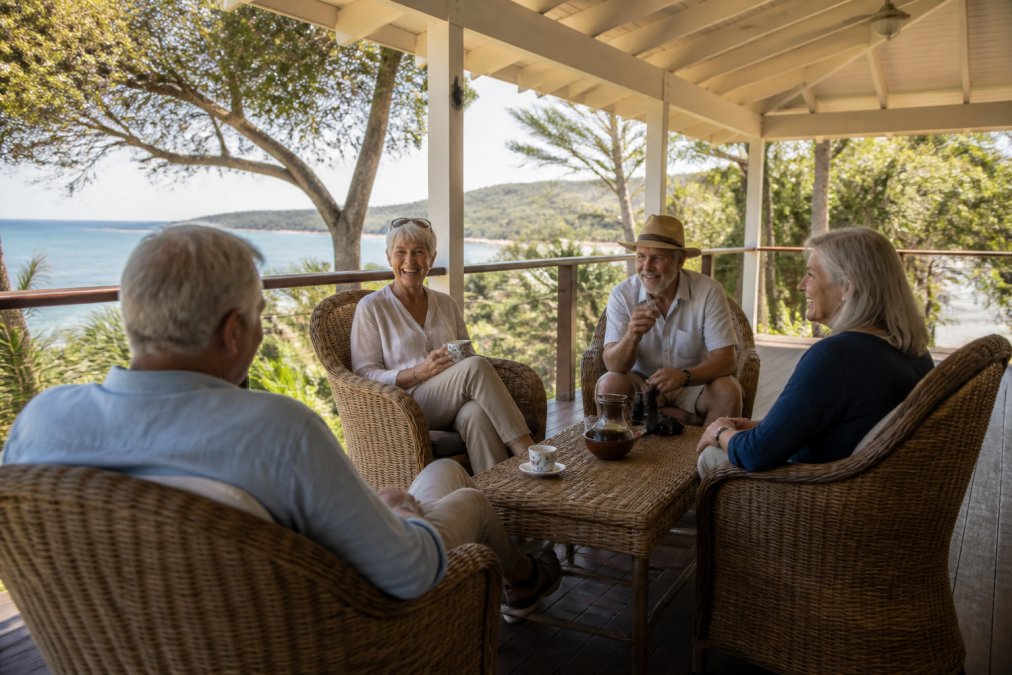
At Curious Compass Collective, we've worked with mature travellers who've discovered that travel pace determines journey quality. Some arrive wanting to see everything; others realise that seeing less, more deeply, transforms the entire experience.
What defines a slow tour
A slow tour prioritises immersion over accumulation. You spend multiple days in fewer destinations, allowing time to absorb local culture, build genuine connections, and let spontaneity guide your days. Rather than rushing through a checklist, you might spend an afternoon in a local market, join a cooking class, or simply sit with a coffee and watch how a place functions.
Slow tours build in buffer time, breathing room to recover from travel, wander without agenda, and have unexpected conversations. Expert guides become teachers and companions, sharing context that makes facts meaningful: why a landscape looks as it does, what historical events shaped a community, how local traditions persist today.
What defines a fast-paced itinerary
A fast-paced itinerary maximises destinations and experiences within a set timeframe, moving frequently to visit multiple cities, landmarks, and attractions. The focus is coverage: seeing highlights and ticking major sights off your list.
Fast-paced travel demands efficient logistics. Your operator handles transport, accommodation changes, and scheduling. Days are structured with planned activities and set meeting times, leaving little room for spontaneity. This approach appeals to travellers with limited time or those wanting a broad overview, but the pace can leave you feeling you've seen much but understood little.
Benefits of Slow Travel for Seniors and Mature Travellers
Slow travel offers specific advantages for mature travellers that faster itineraries cannot match.
The first benefit is physical sustainability. Constant movement, packing and unpacking, and changing accommodation accumulates fatigue. A slower pace lets your body adjust to time zones and physical exertion at a manageable rate. You can stay in places prioritising comfort, have proper meals, and rest when needed without missing scheduled activities.
The second benefit is cognitive engagement. Research shows that depth of processing creates stronger, more meaningful memories than rapid exposure. You recognise streets on your second walk through them and remember conversations with locals, not just a blur of monuments.
The third benefit is relational. Slow travel builds genuine connection with travelling companions, local people, and places. Small-group tours with thoughtfully paced itineraries create space for real friendships to develop.
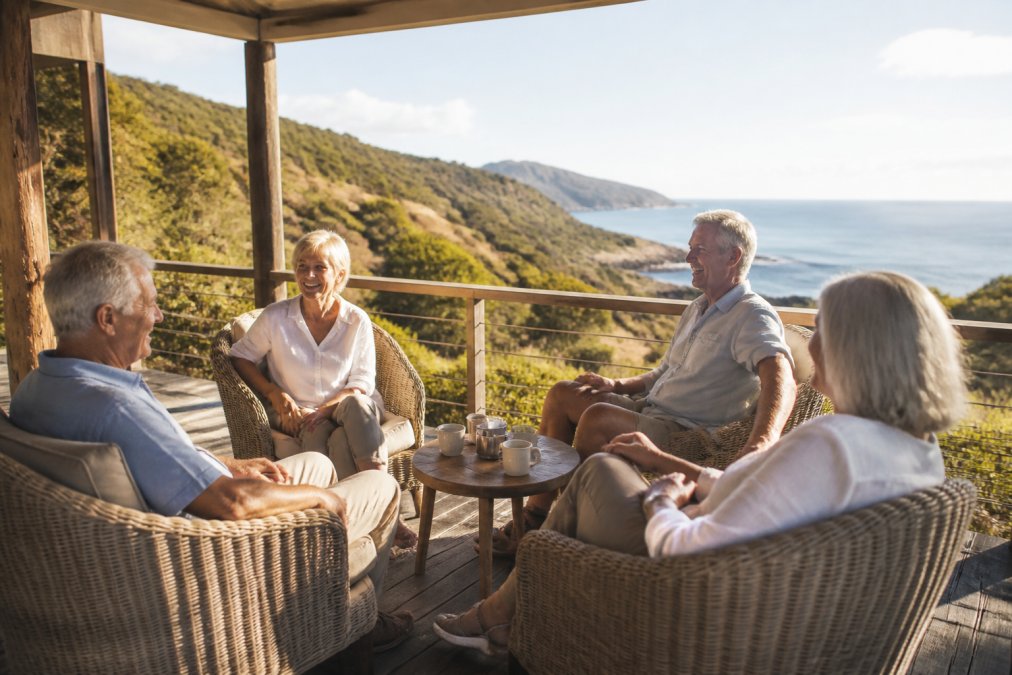
For mature travellers specifically, slow travel reduces burnout. Travel fatigue is real: constant decision-making, sensory overload, and physical demands. A slower pace distributes these demands across more days, making the journey sustainable. You return home rested rather than needing a holiday from your holiday.
The Drawbacks of Rushing Your Itinerary
Fast-paced itineraries create real costs beyond feeling rushed.
The first drawback is cognitive overload. Your brain has limited capacity for processing new information. Constantly moving to new places shifts your brain into shallow processing mode. You collect experiences rather than integrate them.
The second drawback is missed depth. Moving every day, you see major sights but miss the texture of a place, the neighbourhood restaurant locals use, the market at the right time, conversations revealing how people actually live.
The third drawback is logistical stress. Frequent moves mean frequent packing, check-ins, and navigation of new spaces. For people with mobility limitations, this compounds fatigue significantly.
How to Plan a Slow Travel Itinerary That Works for You
Creating a slow travel itinerary requires different thinking than traditional tour planning. Rather than asking "How many destinations can we fit in?" ask "How long do we want to spend in each place?" The answer is typically three to five days per destination for genuine immersion.
Step 1: Choose destinations that reward lingering
Choose places where staying longer gives you more, places with deep cultural experiences, natural landscapes to explore gradually, or communities you genuinely want to understand. Coastal towns, regional cities, and rural areas often reward lingering. Consider what actually interests you: history, nature, food, or culture, and design your itinerary around those interests.
Step 2: Build in buffer time and spontaneity
A slow itinerary includes unscheduled time, a full free day in each destination or afternoons without planned activities. This time lets you recover from travel, creates space for spontaneity, and removes pressure to do everything. Build in transport time that doesn't feel rushed: arrive in the afternoon, settle in, explore your immediate surroundings.
Step 3: Prioritise immersive experiences over sightseeing checkboxes
Slow itineraries balance major sights with immersive experiences: cooking classes, market visits, guided walks with local experts, conversations with artisans. A guided walk through a neighbourhood with a local historian teaches more than rushing through a major site alone.
Small Group Guided Tours vs Independent Travel: Comparing Your Options
Both approaches have genuine merit. The choice depends on what you value, what you're comfortable managing, and what experience you're seeking.
Small-group guided tours: structure, safety, and storytelling
A small-group guided tour provides structure without isolation. You have a guide who knows the destination, handles logistics, and explains what you're seeing. You travel with a small group (typically under 12 people), getting companionship without anonymity.
The primary advantage is simplicity. Someone else plans the itinerary, books accommodation, arranges transport, and manages details. The second advantage is safety. A guide knows safe routes, accommodation, and practices. The third advantage is storytelling. A good guide transforms sightseeing into learning.
The trade-off is flexibility. You're following an itinerary, not creating your own. The second trade-off is cost, small-group tours cost more per person because you're paying for guide expertise and logistics coordination.
Independent travel: flexibility and self-direction
Independent travel means you plan your own itinerary, book your own accommodation, and navigate on your own terms. The primary advantage is complete flexibility, you go where you want, when you want, at your own pace.
The trade-off is logistical responsibility. You're managing details: booking accommodation, arranging transport, planning activities, navigating unfamiliar places. The second trade-off is knowledge. You don't have a guide explaining context. The third trade-off is safety and problem-solving. If something goes wrong, you're managing it alone.
| Aspect | Small-Group Guided Tours | Independent Travel |
|---|---|---|
| Flexibility | Structured itinerary with built-in flexibility | Complete flexibility to change plans |
| Logistics | Handled by operator; minimal responsibility | Your responsibility; requires planning |
| Safety & Support | Guide provides local knowledge and problem-solving | You manage issues independently |
| Cost | Higher per-person cost; includes guide and coordination | Lower per-person cost |
| Learning & Context | Expert guide provides storytelling and explanation | Self-directed; relies on guidebooks |
| Social Connection | Built-in group companionship | Solitary or self-organised connections |
| Best For | Mature travellers, remote destinations, first-time visitors, those prioritising comfort | Confident independent travellers, flexible schedules, those prioritising autonomy |
Slow Travel's Impact on Local Culture and Sustainable Tourism
How you travel affects the places you visit. Slow travel, by its nature, tends to be more sustainable tourism than rushed itineraries.
When you stay longer, you spend money across more local businesses. Rather than eating at one tourist restaurant and moving on, you might eat at several local places, visit local markets, buy from local artisans, and stay in locally-owned accommodation. Your spending distributes across the community rather than concentrating in large chains.
Slow travel also reduces over-tourism pressure. Spending time in a place enables genuine interactions with local people. You're not a blur of tourists passing through; you're a person staying in the community. These interactions create mutual understanding rather than transactional relationships.
Choosing Your Travel Style: A Decision Framework
Choosing between slow and fast-paced travel isn't about which is objectively better. It's about matching your travel style to your actual circumstances, preferences, and constraints.
Assessing your fitness level and physical comfort
Be honest about your physical reality. Can you comfortably walk several hours daily? How do you manage jet lag? Do you have mobility limitations, chronic conditions, or pain affecting activity? Mature travellers often overestimate what they can sustain. A slow itinerary with built-in rest days accommodates this reality.
Consider also your comfort requirements. Do you need time to settle into new accommodation? Are you adventurous with food? Do you sleep well in new places? These factors influence how much buffer time you need.
Evaluating your budget and time availability
Time and budget are practical constraints. If you have two weeks and want to see a broad region, faster pace might be necessary. If you have unlimited time and budget, slow travel is always possible.
Consider cost-per-day rather than total cost. A slow itinerary with fewer destinations might cost less overall than a fast itinerary covering many places. Time availability also shapes feasibility. You're choosing between seeing more places slowly or more places quickly. The choice depends on what you value: breadth or depth.
Matching your travel personality to your pace
Some people thrive on movement and variety; others find constant change exhausting. Your travel personality should match your chosen pace. If you're energised by seeing new places, a faster pace might suit you. If you're depleted by constant change, slow travel is essential.
Consider also your travel goals. Are you trying to "see" a region (fast-paced makes sense) or "understand" a region (slow travel is essential)? Are you seeking adventure and novelty, or connection and depth?
Fast-paced itineraries suit travellers with limited time, high energy, and a preference for variety. They work best for confident independent travellers or those comfortable with structured group tours.
Choosing between slow tours and fast-paced itineraries ultimately comes down to how you want to experience travel. Curious Compass Collective specialises in slow-paced, small-group guided tours specifically designed for mature travellers seeking authentic experiences without the pressure of rushing. With expert guides who prioritise storytelling, thoughtfully paced itineraries that build in genuine rest and spontaneity, and purpose-designed 4WD vehicles for comfort on remote terrain, the company removes the logistical burden while preserving the flexibility that makes slow travel meaningful. Whether you're exploring the Australian outback or the Pacific islands, a slow, guided approach transforms travel from a checklist-completion exercise into genuine connection. View tours to discover itineraries designed around your pace, not against it.
Frequently Asked Questions
What are the primary benefits of choosing a slow tour over a fast-paced itinerary?
Slow tours reduce travel fatigue and burnout by allowing time for genuine exploration rather than rushing between sightseeing checkboxes. You experience deeper cultural immersion, form real connections with locals, and return home relaxed rather than exhausted. Small-group guided tours offer expert storytelling and personalised attention, transforming a holiday into a meaningful journey rather than a logistics exercise.
How does a slow-paced itinerary impact the quality of cultural immersion and authentic experiences?
Spending multiple days in one destination allows you to move beyond surface-level tourism. You discover local cafés, understand community rhythms, and engage in genuine conversations rather than curated 'authentic' performances. Slow travel supports sustainable tourism by reducing over-tourism pressure and directing spending to local businesses. This depth of connection is impossible in fast-paced itineraries where destinations become brief transit stops.
Are slow tours more cost-effective than traditional fast-paced group travel?
Cost depends on your travel style and group size. Small-group guided tours offer affordable group packages, especially for clubs and social groups sharing costs. While daily rates may seem similar, slow travel often costs less overall because you spend fewer days travelling and more time enjoying what you've already paid to reach. Fast-paced itineraries generate hidden costs: rushed meals, skipped activities due to fatigue, and expensive transit between destinations.
What should mature travellers look for when comparing tour pacing and choosing between slow tours and fast-paced itineraries?
Prioritise itineraries with thoughtfully paced schedules that balance activity with rest days. Check vehicle comfort and suspension quality for rough terrain. Verify guide qualifications for safety in remote areas. Small group sizes (typically under 12 people) ensure personalised attention and flexibility. Ask about customisation options, genuine slow-travel operators allow you to adjust activities and spend extra time at destinations that captivate you, rather than adhering rigidly to schedules.
This article was written using GrandRanker
Frequently Asked Questions
What are the primary benefits of choosing a slow tour over a fast-paced itinerary?
Slow tours reduce travel fatigue and burnout by allowing time for genuine exploration rather than rushing between sightseeing checkboxes. You experience deeper cultural immersion, form real connections with locals, and return home relaxed rather than exhausted. Small-group guided tours offer expert storytelling and personalised attention, transforming a holiday into a meaningful journey rather than a logistics exercise.
How does a slow-paced itinerary impact the quality of cultural immersion and authentic experiences?
Spending multiple days in one destination allows you to move beyond surface-level tourism. You discover local cafés, understand community rhythms, and engage in genuine conversations rather than curated 'authentic' performances. Slow travel supports sustainable tourism by reducing over-tourism pressure and directing spending to local businesses. This depth of connection is impossible in fast-paced itineraries where destinations become brief transit stops.
Are slow tours more cost-effective than traditional fast-paced group travel?
Cost depends on your travel style and group size. Small-group guided tours offer affordable group packages, especially for clubs and social groups sharing costs. While daily rates may seem similar, slow travel often costs less overall because you spend fewer days travelling and more time enjoying what you've already paid to reach. Fast-paced itineraries generate hidden costs: rushed meals, skipped activities due to fatigue, and expensive transit between destinations.
What should mature travellers look for when comparing tour pacing and choosing between slow tours and fast-paced itineraries?
Prioritise itineraries with thoughtfully paced schedules that balance activity with rest days. Check vehicle comfort and suspension quality for rough terrain. Verify guide qualifications for safety in remote areas. Small group sizes (typically under 12 people) ensure personalised attention and flexibility. Ask about customisation options—genuine slow-travel operators allow you to adjust activities and spend extra time at destinations that captivate you, rather than adhering rigidly to schedules.