 listicle
Slow-Paced Cultural Tours: 10 Best Options
Table of Contents
- What Makes a Slow-Paced Cultural Tour Different
- Small Group Cultural Tours for Seniors: Curious Compass Collective
- Authentic Indigenous Cultural Experiences: APT Cultural Tours
- First Nations Heritage with Intrepid Travel
- Urban Aboriginal Walking Tours: Koorie Heritage Trust & In Culture
- Remote Outback and Rainforest Immersion: Lord's Kakadu, Wukalina, and Mossman Gorge
- How to Choose a Cultural Tour Operator
- Conclusion
Last Updated: August 14, 2026
What Makes a Slow-Paced Cultural Tour Different
Slow-paced cultural tours prioritise immersion over ticking boxes. Where conventional group tours rush through five landmarks in a day, these experiences linger. You might spend an entire morning with a single guide learning about bush tucker plants, their uses in traditional medicine, and their role in Dreamtime stories.
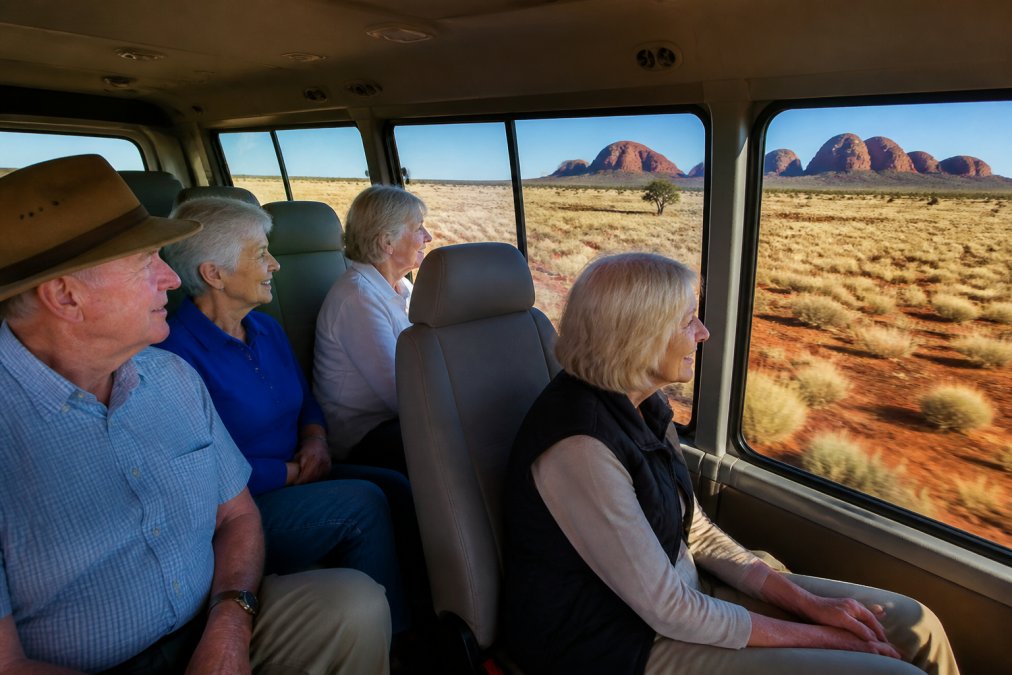
Purpose-designed vehicles with suspension built for rough terrain mean frequent stops and routes that flex around comfort, not efficiency. Expert local guides transform these tours from sightseeing into storytelling, people with deep knowledge of their country sharing Dreamtime narratives and cultural significance. Small group sizes, typically under 12 people, mean you're not competing for attention or jostling for photos. These tours acknowledge that mature travellers prioritise understanding deeply over observing quickly.
Small Group Cultural Tours for Seniors: Curious Compass Collective
Curious Compass Collective specialises in small-group journeys designed for mature travellers seeking authentic experiences without exhaustion. Their approach centres on thoughtfully paced itineraries with purpose-built 4WD models featuring comfortable seating and suspension engineered for rough terrain, plus guides trained in storytelling.
Guests consistently mention that these tours feel nothing like rushed, crowded experiences elsewhere. The Frontier tour to the Tip and the Nulla Nulla Safari have earned reputations as bucket-list experiences. Curious Compass Collective understands that "affordable" for retirees means accessible authentic travel without premium pricing through group cost-sharing.
Authentic Indigenous Cultural Experiences: APT Cultural Tours
APT Cultural Tours embeds cultural immersion into luxury travel packages. Their all-inclusive itineraries combine accommodation, transportation, guided experiences, and meals, eliminating surprises about costs or inclusions.
Rather than quick walking tours, APT structures multi-day experiences around Indigenous heritage with local communities, storytelling sessions, guided nature walks, and meals featuring local specialties. Tour Directors and guides are selected for deep regional insight, not generic scripts.
Both APT and Curious Compass Collective deliver authentic experiences with different travel styles.
First Nations Heritage with Intrepid Travel
Intrepid Travel has built a substantial portfolio of First Nations experiences across Australia through close collaboration with Aboriginal and Torres Strait Islander communities. Tours are designed by the communities themselves, meaning itineraries reflect what those communities want to share.
When communities design tours, the experience feels fundamentally different, you're invited into culture by the people who live it, not observing from outside. Intrepid offers experiences across regions: Uluru in the Northern Territory, Karijini and Ningaloo Reef in Western Australia, and different First Nations-led experiences in Tasmania and other regions.
Activities include participation in traditional customs: smoking ceremonies, traditional art workshops, and bush tucker meals. These are genuine invitations, not staged performances. Intrepid's pricing varies by tour; a Karijini and Ningaloo Reef walk runs approximately AUD $4,090, including accommodation, transport, and guided experiences.
Urban Aboriginal Walking Tours: Koorie Heritage Trust & In Culture
Urban Aboriginal walking tours offer deep cultural experiences in city settings, suiting travellers wanting Indigenous heritage combined with city exploration.
The Koorie Heritage Trust in Melbourne offers Aboriginal-led walking tours focusing on Narrm (Melbourne) and the Birrarung (Yarra River), reframing familiar urban landscapes through an Indigenous lens. In Culture operates similarly in Perth, offering Whadjuk Noongar Boodjar (Perth) walking tours with multi-sensory engagement, looking, smelling, touching, and immersing in the environment.
Urban walking tours are generally more affordable than multi-day outback experiences, making them accessible for travellers with smaller budgets or limited time.
Remote Outback and Rainforest Immersion: Lord's Kakadu, Wukalina, and Mossman Gorge
Lord's Kakadu and Arnhemland Safaris offers bespoke private tours to Arnhemland and Kakadu National Park, customised around your interests and pace. Multi-day tours include river cruises for wildlife spotting, hiking through Aboriginal rock art galleries, and camping. Bininj Aboriginal guides provide storytelling that transforms the landscape into a living cultural text. Arnhemland's permit requirement limits tourist numbers, you're genuinely off the main trail. Pricing is customised; contact Lord's Kakadu directly for quotes.
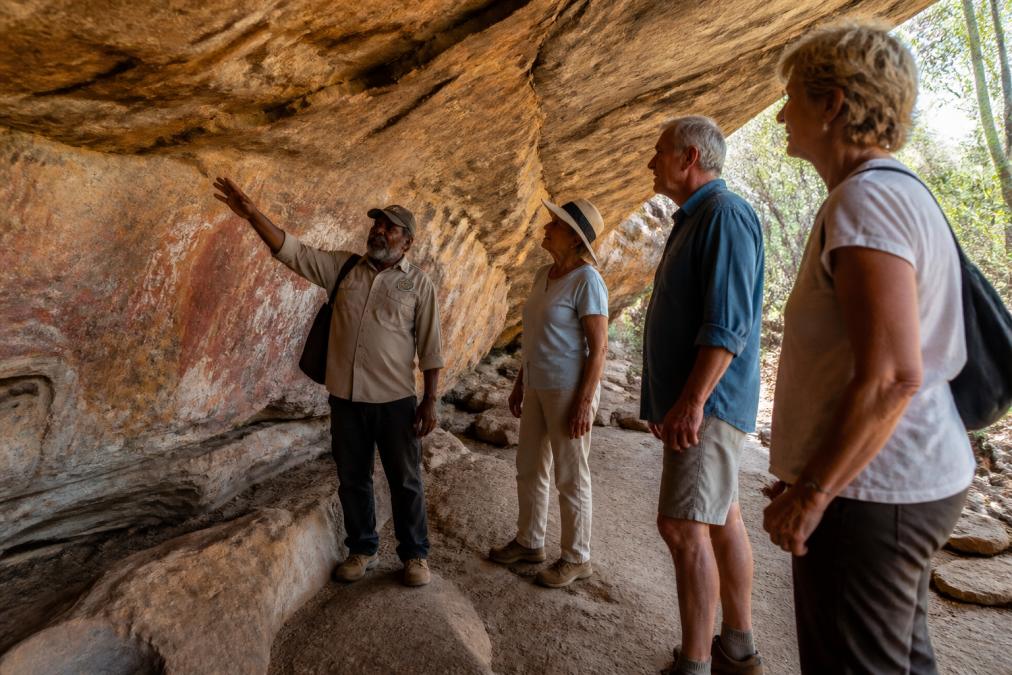
Wukalina Walk in Tasmania offers a four-day, three-night guided walk in the Bay of Fires, Aboriginal-owned and operated by palawa (Tasmanian Aboriginal) guides. Accommodation is in bespoke palawa-inspired huts. This tour requires reasonable physical fitness for multi-day walking.
Mossman Gorge Centre Dreamtime Walks in the Daintree Rainforest offers shorter, more accessible cultural experiences guided by local Indigenous people. Walks focus on Kuku Yalanji culture and the rainforest, including bush food, medicinal plants, a traditional smoking ceremony, and a refreshing dip in the Mossman River. Pricing starts around AUD $80 per person.
How to Choose a Cultural Tour Operator
Define your priorities. Are you seeking Indigenous heritage specifically? Do you want multi-day immersion or a shorter introduction? Are you travelling with a group or as a couple? Do you need specific accommodations? Your answers narrow the field significantly.
Assess guide quality. Ask whether guides are local and trained in storytelling. Request testimonials specifically about guide quality, this matters more than marketing claims.
Understand what "small group" means. Some operators call 15-20 people small; others cap at 8-10. Clarify maximum group size and how groups are managed.
Evaluate flexibility. Ask if itineraries adjust for extra time or skipped activities due to mobility or health concerns. Flexibility correlates with better experiences.
Check safety credentials. For remote travel, ask about insurance, emergency protocols, vehicle maintenance, and guide certifications.
Compare pricing transparency. Published pricing lets you compare easily. Ask whether pricing includes all activities, meals, and transport.
Read recent reviews carefully. Look for comments about pace, guide quality, and whether experiences matched expectations.
Ask about Indigenous partnership. Are tours designed by communities? Do communities benefit directly from revenue? This correlates with authentic experiences.
| Operator | Group Size | Best For | Customisation |
|---|---|---|---|
| Curious Compass Collective | Under 12 | Mature travellers wanting flexibility | High, private tours available |
| APT Cultural Tours | Small groups | All-inclusive convenience | Moderate, set itineraries with optional extras |
| Intrepid Travel | Small groups | First Nations experiences | Moderate, set itineraries by region |
| Koorie Heritage Trust | Flexible | Urban Aboriginal heritage in Melbourne | Limited, fixed walking tour routes |
| In Culture | Flexible | Urban Aboriginal heritage in Perth | Limited, fixed walking tour routes |
| Lord's Kakadu | Private groups | Exclusive Arnhemland access | High, fully customisable |
| Wukalina Walk | Groups up to 12 | Multi-day immersive walks | Limited, set 4-day format |
| Mossman Gorge Centre | Groups up to 20 | Rainforest and Kuku Yalanji culture | Limited, set walk routes |
Conclusion
Slow-paced cultural tours prioritise depth over distance, storytelling over sightseeing, and authentic connection over tourist convenience. For mature travellers seeking meaningful experiences, these tours deliver what conventional tourism cannot.
Curious Compass Collective stands out for its explicit focus on mature travellers, commitment to thoughtfully paced itineraries, and willingness to customise around your needs. Small group sizes, expert guides trained in storytelling, purpose-designed 4WD vehicles, and flexible scheduling create conditions for genuine immersion.
Match the tour to your actual priorities and physical capabilities. Ask hard questions about guide quality, group size, flexibility, and safety. The best cultural tour lets you understand something deeply, not cover the most ground.
Ready to explore slow-paced cultural experiences? VIEW TOURS with Curious Compass Collective and discover how thoughtfully designed itineraries transform travel into genuine cultural connection.
Frequently Asked Questions
What exactly does 'slow-paced' mean in a cultural tour?
Slow-paced cultural tours prioritise depth over distance. Rather than rushing through multiple sites in a day, you spend extended time in each location, allowing for meaningful conversations with local guides, participation in cultural ceremonies, and genuine absorption of stories and traditions. This approach reduces fatigue, particularly valuable for mature travellers, and creates space for personal reflection and authentic engagement with communities.
What should I look for when choosing a cultural tour operator?
Evaluate operators on guide qualifications (look for Indigenous-led or community-endorsed experiences), group size (smaller groups allow personalised attention), itinerary pacing (confirm daily schedules and activity intensity), safety credentials and insurance, and direct community partnerships. Ask for references from past travellers, verify accessibility features if needed, and confirm whether experiences are genuinely community-based or merely packaged tourism. Request detailed information about what's included and what's optional.
Are small group cultural tours for seniors physically demanding?
Most slow-paced cultural tours for mature travellers are designed with comfort in mind, featuring purpose-built 4WD vehicles, flexible activity options, and guides trained in accessibility. Many include short walks rather than strenuous hikes, rest periods, and the ability to participate at your own pace. However, physical demands vary by tour. Always discuss specific mobility concerns with the operator before booking, and confirm whether activities can be modified or skipped without penalty.
How do I know if a tour offers authentic Indigenous cultural experiences?
Authentic experiences are typically Indigenous-owned or led by Aboriginal guides, involve direct community partnerships, and include storytelling from Traditional Custodians rather than external interpreters. Look for operators who acknowledge Dreamtime and cultural protocols, involve elder participation, and demonstrate commitment to community benefit. Verify certifications or endorsements from Aboriginal tourism bodies, and check whether the operator works with specific language groups or nations rather than presenting generalised 'Aboriginal culture.'
External Sources Referenced:
[EXTERNAL_LINK: Australian Tourism Commission cultural tourism guidelines | tourism.australia.gov.au]
[EXTERNAL_LINK: UNESCO World Heritage Sites in Australia | whc.unesco.org]
[EXTERNAL_LINK: First Nations tourism and community benefit principles | innovationaus.gov.au]
This article was written using GrandRanker
Frequently Asked Questions
What exactly does 'slow-paced' mean in a cultural tour?
Slow-paced cultural tours prioritise depth over distance. Rather than rushing through multiple sites in a day, you spend extended time in each location, allowing for meaningful conversations with local guides, participation in cultural ceremonies, and genuine absorption of stories and traditions. This approach reduces fatigue, particularly valuable for mature travellers, and creates space for personal reflection and authentic engagement with communities.
What should I look for when choosing a cultural tour operator?
Evaluate operators on guide qualifications (look for Indigenous-led or community-endorsed experiences), group size (smaller groups allow personalised attention), itinerary pacing (confirm daily schedules and activity intensity), safety credentials and insurance, and direct community partnerships. Ask for references from past travellers, verify accessibility features if needed, and confirm whether experiences are genuinely community-based or merely packaged tourism. Request detailed information about what's included and what's optional.
Are small group cultural tours for seniors physically demanding?
Most slow-paced cultural tours for mature travellers are designed with comfort in mind, featuring purpose-built 4WD vehicles, flexible activity options, and guides trained in accessibility. Many include short walks rather than strenuous hikes, rest periods, and the ability to participate at your own pace. However, physical demands vary by tour. Always discuss specific mobility concerns with the operator before booking, and confirm whether activities can be modified or skipped without penalty.
How do I know if a tour offers authentic Indigenous cultural experiences?
Authentic experiences are typically Indigenous-owned or led by Aboriginal guides, involve direct community partnerships, and include storytelling from Traditional Custodians rather than external interpreters. Look for operators who acknowledge Dreamtime and cultural protocols, involve elder participation, and demonstrate commitment to community benefit. Verify certifications or endorsements from Aboriginal tourism bodies, and check whether the operator works with specific language groups or nations rather than presenting generalised 'Aboriginal culture.'