 ultimate-guide
Private Group Travel Cost Guide: Australia 2026
Table of Contents
- What Determines Private Group Travel Cost
- Small Group Travel vs Private Charter Costs
- Average Cost Per Person and Group Size Scaling
- Budgeting for Group Travel: Inclusions and Hidden Costs
- Group Travel Discounts and Inclusions Explained
- Regional Cost Variance and Seasonal Pricing
- Luxury vs Budget Options: Where Your Money Goes
- Conclusion
Last Updated: August 12, 2026
What Determines Private Group Travel Cost
The cost of private group travel in Australia hinges on five core factors: group size, itinerary customisation, transport choice, accommodation standards, and seasonal timing.
Group size creates the most dramatic cost swings. Smaller groups mean fixed costs, guide fees, vehicle rental, permits, spread across fewer travellers, pushing individual prices higher. Larger groups dilute these overheads significantly.
Itinerary customisation determines whether you're paying for a standardised route or a bespoke experience. A fully guided, tailored itinerary visiting remote regions with expert storytelling costs more than a fixed-route group package, but offers flexibility and personalisation.
Transport type matters enormously. Purpose-designed 4WD vehicles suited for outback terrain cost more to operate than standard coaches, but access terrain standard vehicles cannot reach. Charter services, where you hire a vehicle and guide exclusively, differ fundamentally from seat-based group travel, where you join other travellers on a scheduled departure.
Accommodation standards range from budget to luxury. Mid-range accommodation typically strikes the right balance between cost and quality.
Seasonal pricing reflects demand. Peak travel periods command premium rates; shoulder and off-season travel offers better value. A group travelling in quieter months can often negotiate better rates than one departing during school holidays or peak tourism season.
Small Group Travel vs Private Charter Costs
Small group touring and private charter services represent two distinct models with different cost structures and benefits.
Small group travel means joining a scheduled departure with 6-12 people per vehicle. You share the cost of the guide, vehicle, and logistics with other participants. Per-person pricing is lower because fixed costs are divided among more people. The trade-off is inflexibility: the itinerary is set, departure dates are fixed, and the group moves at a predetermined pace. Many find the group dynamic enriches the journey through shared meals, conversations, and collective discovery.
Private charter services mean booking a vehicle, guide, and itinerary exclusively for your group. You control the pace, customise the route, and decide how long to linger at each stop. This flexibility costs more upfront, but the per-person cost drops as your group grows, eventually matching or beating small group pricing once you reach 8-10 people.
Private charters suit groups with specific interests, varying mobility needs, or strong preferences about pace and timing. A group of retirees wanting a leisurely, thoughtfully paced journey often finds private charters worth the premium because the itinerary can be designed around their comfort and energy levels.
The cost crossover point typically occurs around 8-10 people. Below that, small group packages offer better per-person value. Above that, private charters become competitive or cheaper, depending on the region and season.
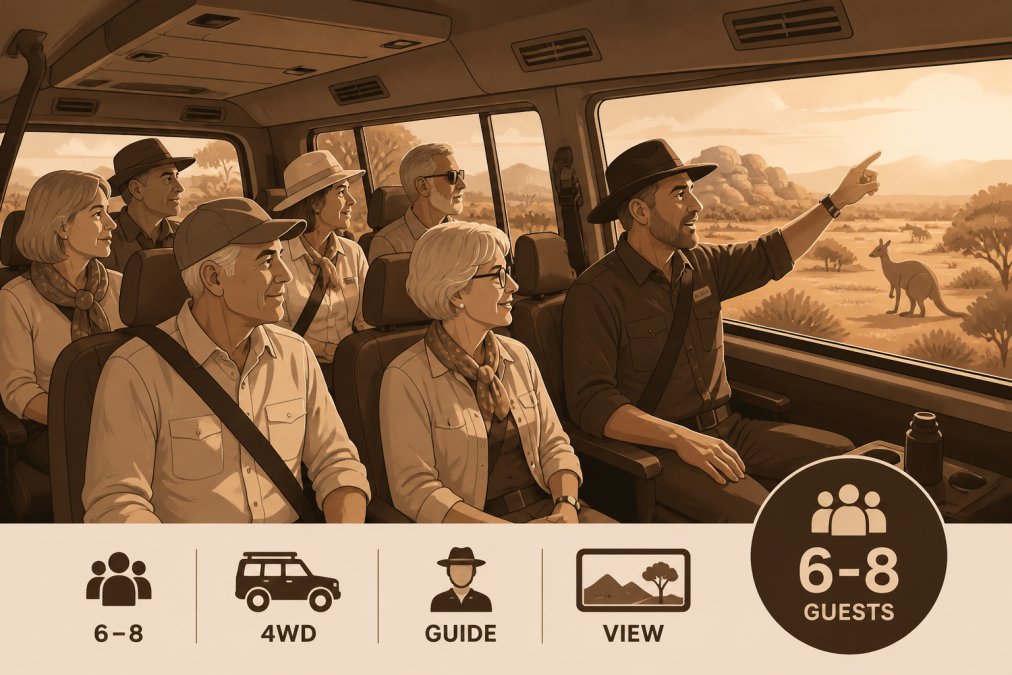
Average Cost Per Person and Group Size Scaling
Per-person pricing for private group travel varies widely based on duration, region, and inclusions. A group of four people booking a private charter will pay significantly more per head than a group of ten on the same itinerary. This reflects the fundamental economics of fixed costs: divide a vehicle hire and guide fee across fewer people, and each person's share grows.
Small group packages often advertise per-person pricing that assumes a full vehicle (8-12 people). Verify the group size assumption; a tour priced for twelve people may cost considerably more per head if only six people book.
Seasonal variation affects per-person cost dramatically. A private group tour in shoulder season (April-May or September-October) costs less per person than the same itinerary during peak season (June-August or December-January).
Duration compounds the effect. A 5-day tour costs less per day than a 3-day tour because fixed costs are spread across more days. A 14-day expedition costs significantly less per day than a week-long journey.
Hidden costs often surprise groups. Park entry fees, meals not included in the package, activity add-ons, gratuities, and travel insurance can add 15-25% to the quoted price. A group should assume the advertised price is a floor, not a ceiling.
Discounts for larger groups are often smaller than expected. A group of fifteen may receive a 5-10% reduction; a group of twenty might see 10-15%. These discounts rarely exceed 15% because guide time, vehicle capacity, and operational costs don't scale linearly.
Budgeting for Group Travel: Inclusions and Hidden Costs
Inclusions vary dramatically between tour operators and package types. Understanding what's covered prevents budget surprises.
Typical inclusions in all-inclusive packages:
- Fully guided experience with expert storyteller-guides
- Vehicle hire and transport between destinations
- Accommodation (standard to mid-range)
- Most meals
- Park entry fees for major attractions
- Scheduled guided excursions
Common exclusions and hidden costs:
- Travel insurance (highly recommended, often not included)
- Meals at restaurants not part of the itinerary
- Premium activity add-ons (helicopter flights, specialist workshops, private cultural experiences)
- Gratuities for guides and drivers
- Personal expenses (souvenirs, extra beverages, optional activities)
- Cancellation fees if plans change
- Visa costs for Pacific destinations
Request a detailed inclusions list and ask specifically what's not covered. The difference between "breakfast included" and "all meals included" can add hundreds to a week-long tour.

Cancellation policies matter significantly. Some operators allow free cancellation up to 60 days before departure; others charge 25-50% of the tour cost if you cancel within 30 days. Travel insurance for a two-week tour typically costs 5-8% of the total trip cost but protects against medical emergencies, trip cancellation, and lost luggage.
Gratuities are expected but not always mandatory. Budget 10-15% of the total cost as a gratuity pool, distributed among guides and drivers at the tour's end.
Group Travel Discounts and Inclusions Explained
Group discounts exist, but they're often modest. A typical discount structure might offer no discount for groups of 6-8, 5% for groups of 9-12, and 10% for groups of 15+. These discounts apply to the per-person rate, not the total cost.
Inclusions bundled into group packages often provide better value than discounts. An all-inclusive package simplifies budgeting and often costs less per person than assembling the same experience à la carte. Compare total package cost against itemised pricing to identify true savings.
Some operators offer group-specific perks instead of price reductions: priority booking, flexible itinerary customisation, or exclusive access to experiences not available to individuals.
Negotiation is possible for larger groups, particularly for private charters. A group of twenty booking a two-week private itinerary can request better pricing, flexible dates, or added inclusions. Operators are more willing to negotiate for groups offering predictable, repeat business.
Regional Cost Variance and Seasonal Pricing
Australia's geography creates dramatic cost differences. Remote regions cost more to access than popular tourist corridors. A tour to Uluru or the Kimberley outback costs substantially more per person than a tour along the east coast, where infrastructure is more developed and competition is fiercer.
Regional variance reflects operational reality. Remote regions require longer travel times, more expensive accommodation, and guides with specialised knowledge. A 4WD vehicle operating in the outback incurs higher fuel and maintenance costs than one on coastal highways.
Popular regions and relative cost tiers:
- East coast (Sydney to Cairns): Lower cost, high competition, abundant operators
- Tasmania and southern regions: Mid-range cost, moderate competition
- Outback regions (Uluru, Kimberley, Flinders Ranges): Higher cost, fewer operators, specialised expertise required
- Pacific destinations (Fiji, Samoa): Premium pricing, longer travel, international logistics
Seasonal pricing follows predictable patterns. Australian school holidays (December-January, April, July, September-October) see peak pricing. Winter months (June-August) in temperate regions attract visitors seeking mild weather; summer (December-February) in tropical regions sees lower demand due to heat and cyclone risk.
Shoulder seasons (April-May, September-October) offer the best value. Weather is mild, crowds are manageable, and operators offer competitive rates. A group flexible on travel dates can save 20-30% by avoiding peak season.
Luxury vs Budget Options: Where Your Money Goes
Private group travel options span a wide spectrum, from budget-conscious to luxury.
Budget-focused group tours prioritise cost efficiency without sacrificing safety or basic comfort. Accommodation is modest but clean, meals are simple and local, and guides are experienced but may not have specialist certifications. Transport is functional.
Budget tours suit groups comfortable with straightforward accommodation and a focus on experience over luxury.
Mid-range group packages balance comfort and value. Accommodation is pleasant with private bathrooms and reliable amenities. Meals are more varied, sometimes including restaurant dining. Guides often have specialist knowledge. Transport is purpose-designed for the terrain.
Mid-range packages appeal to most mature travellers seeking comfort without extravagance. The cost difference between budget and mid-range is often modest (15-25%), but the comfort improvement is noticeable.
Luxury private charters prioritise comfort, personalisation, and premium experiences. Accommodation is high-end with superior amenities. Meals are curated, sometimes prepared by professional cooks. Guides are highly experienced with advanced certifications. Transport is premium 4WD with luxury finishes.
Luxury charters cost 40-80% more than mid-range options but deliver experiences tailored precisely to group preferences.
The key variable determining cost is often accommodation standard. A luxury property costs 2-3 times more per night than a budget lodge. Over a two-week tour, this difference compounds significantly.
Guide experience and certifications also affect cost. A guide with wilderness first aid, cultural interpretation credentials, and 15+ years of experience commands higher fees than a newer guide. For groups travelling to remote terrain, experienced guides justify their cost through enhanced safety and richer storytelling.
Transport quality matters for comfort on long days. A purpose-designed 4WD with suspension tuned for rough terrain, climate control, and ergonomic seating costs more to operate but makes multi-hour journeys considerably more comfortable, particularly important for mature travellers.
Planning private group travel in Australia requires balancing cost against comfort, flexibility, and experience quality. At Curious Compass Collective, we understand that mature travellers prioritise thoughtfully paced itineraries, expert guidance, and safety alongside affordability. Whether you're considering a small group package or a private charter, the cost framework outlined here helps you make informed decisions aligned with your group's budget and preferences.
The most common mistake groups make is comparing headline prices without understanding inclusions, group size assumptions, and hidden costs. Request detailed inclusions lists, verify group size assumptions, and budget conservatively for add-ons and gratuities.
Your group's specific needs, comfort standards, mobility considerations, desired pace, and regional interests, should drive your choice between small group packages and private charters. A group seeking flexibility and willing to invest in customisation often finds private charters deliver better value than small group tours, particularly once you reach 8-10 people. A group prioritising social interaction and lower per-person cost typically finds small group packages more economical.
Seasonal timing offers the most straightforward cost savings. A group flexible on travel dates can access shoulder-season pricing 20-30% lower than peak season, often with superior weather and fewer crowds.
Curious Compass Collective specialises in small-group guided tours designed for mature travellers seeking authentic, curiosity-led experiences without rushed itineraries. Our thoughtfully paced approach, expert storytelling, and purpose-designed 4WD vehicles provide the comfort and safety mature travellers value. Whether you're exploring the outback, Pacific islands, or coastal regions, we customise itineraries to match your group's pace and interests while maintaining transparency about costs and inclusions.
Australian Tourism Board travel planning guide provides comprehensive information on regional attractions and seasonal conditions. For groups planning Pacific destinations, Fiji Tourism Bureau travel guides and Samoa Tourism Authority resources offer detailed regional information and seasonal recommendations. Understanding regional logistics and seasonal patterns helps groups make informed decisions about timing and destination choice, directly affecting both cost and experience quality.
Frequently Asked Questions
What factors influence the cost of private group tours?
Private group travel costs depend on group size, destination remoteness, season, vehicle type, guide expertise, accommodation standards, and itinerary customization. Smaller groups (4-8 people) typically have higher per-person costs due to fixed vehicle and guide expenses. Remote regions and luxury transport increase costs. Off-season travel often reduces pricing. Multi-day tours with all-inclusive packages provide better value than piecemeal bookings. Customized itineraries command premium pricing compared to fixed schedules.
Is it cheaper to travel with a group or book a private charter?
Group packages usually cost less per person than private charters because costs are shared across more travellers. However, private charters offer flexibility and customization that groups cannot match. For a group of 6-8 with specific interests, a private charter may provide better value than joining a larger scheduled tour. Compare the per-person cost of both options against your group's priorities: budget savings favour groups, while tailored experiences and schedule control favour private charters.
What hidden costs should I expect when budgeting for group travel?
Beyond advertised tour pricing, account for travel insurance, cancellation fees, optional activities not in the base package, meals outside included dining, gratuities for guides, personal spending, visa costs if applicable, and domestic transport to tour departure points. Some operators charge separately for premium accommodation upgrades or specialised equipment. Always request a detailed breakdown of what's included versus excluded. Review cancellation policies carefully, some providers charge substantial fees for group modifications.
How can groups reduce travel costs when booking private tours?
Book during shoulder seasons (April-May, September-October) for lower rates. Larger groups (10+ people) negotiate better per-person pricing. Commit to fixed itineraries rather than customized ones. Bundle multi-day tours for volume discounts. Book well in advance to secure early-bird rates. Combine group travel discounts with all-inclusive packages that eliminate à la carte expenses. Consider less-visited regions, which often cost less than premium destinations. Share accommodation costs by choosing group lodges over individual rooms.
What's typically included in private group travel package pricing?
All-inclusive packages usually cover transport in purpose-designed vehicles, expert guide services, accommodation, most meals, entry fees to attractions, and tailored excursions. Fully guided experiences mean logistical planning is handled. Some packages include travel insurance and cancellation protection. Exclusions often involve alcohol, personal activities, tips, and optional add-ons. Request itemised inclusions before booking, this clarity prevents surprise costs and helps compare packages fairly.
How does group size affect the cost per person for private travel?
Smaller groups (4-6 people) have higher per-person costs because fixed expenses like guides and vehicle hire don't decrease. Mid-size groups (7-10 people) offer better value as costs spread wider. Larger groups (12+) access steeper discounts, though vehicles and logistics become more complex. There's an optimal group size, typically 8-10, where per-person cost balances comfort and affordability. Extremely large groups may require multiple vehicles, negating savings.
Should we book a private group tour or travel independently?
Private group tours suit travellers prioritising safety, expert storytelling, and logistical simplicity, especially in remote terrain. They work well for mature travellers, social clubs, and those unfamiliar with self-driving in challenging conditions. Independent travel costs less upfront but requires self-planning, navigation, and accommodation coordination. Private tours eliminate hidden logistics costs and provide professional guides in rugged areas. Choose tours if comfort, cultural access, and guided experiences matter more than flexibility; choose independent travel if budget and spontaneity are priorities.
What's the best time to book a private group tour to secure the best rates?
Book 8-12 weeks in advance for shoulder-season travel (April-May, September-October) to access early-bird discounts. High-season bookings (June-August, December-January) require 12+ weeks lead time and offer fewer rate reductions. Last-minute bookings (under 4 weeks) rarely yield savings unless operators discount unsold spots. Groups should coordinate booking timelines internally well ahead, most operators require group confirmations 6-8 weeks before departure to lock pricing and customise itineraries effectively.
This article was written using GrandRanker
Frequently Asked Questions
What factors influence the cost of private group tours?
Private group travel costs depend on group size, destination remoteness, season, vehicle type, guide expertise, accommodation standards, and itinerary customization. Smaller groups (4–8 people) typically have higher per-person costs due to fixed vehicle and guide expenses. Remote regions and luxury transport increase costs. Off-season travel often reduces pricing. Multi-day tours with all-inclusive packages provide better value than piecemeal bookings. Customized itineraries command premium pricing compared to fixed schedules.
Is it cheaper to travel with a group or book a private charter?
Group packages usually cost less per person than private charters because costs are shared across more travellers. However, private charters offer flexibility and customization that groups cannot match. For a group of 6–8 with specific interests, a private charter may provide better value than joining a larger scheduled tour. Compare the per-person cost of both options against your group's priorities: budget savings favour groups, while tailored experiences and schedule control favour private charters.
What hidden costs should I expect when budgeting for group travel?
Beyond advertised tour pricing, account for travel insurance, cancellation fees, optional activities not in the base package, meals outside included dining, gratuities for guides, personal spending, visa costs if applicable, and domestic transport to tour departure points. Some operators charge separately for premium accommodation upgrades or specialised equipment. Always request a detailed breakdown of what's included versus excluded. Review cancellation policies carefully—some providers charge substantial fees for group modifications.
How can groups reduce travel costs when booking private tours?
Book during shoulder seasons (April–May, September–October) for lower rates. Larger groups (10+ people) negotiate better per-person pricing. Commit to fixed itineraries rather than customized ones. Bundle multi-day tours for volume discounts. Book well in advance to secure early-bird rates. Combine group travel discounts with all-inclusive packages that eliminate à la carte expenses. Consider less-visited regions, which often cost less than premium destinations. Share accommodation costs by choosing group lodges over individual rooms.
What's typically included in private group travel package pricing?
All-inclusive packages usually cover transport in purpose-designed vehicles, expert guide services, accommodation, most meals, entry fees to attractions, and tailored excursions. Fully guided experiences mean logistical planning is handled. Some packages include travel insurance and cancellation protection. Exclusions often involve alcohol, personal activities, tips, and optional add-ons. Request itemised inclusions before booking—this clarity prevents surprise costs and helps compare packages fairly.
How does group size affect the cost per person for private travel?
Smaller groups (4–6 people) have higher per-person costs because fixed expenses like guides and vehicle hire don't decrease. Mid-size groups (7–10 people) offer better value as costs spread wider. Larger groups (12+) access steeper discounts, though vehicles and logistics become more complex. There's an optimal group size—typically 8–10—where per-person cost balances comfort and affordability. Extremely large groups may require multiple vehicles, negating savings.
Should we book a private group tour or travel independently?
Private group tours suit travellers prioritising safety, expert storytelling, and logistical simplicity—especially in remote terrain. They work well for mature travellers, social clubs, and those unfamiliar with self-driving in challenging conditions. Independent travel costs less upfront but requires self-planning, navigation, and accommodation coordination. Private tours eliminate hidden logistics costs and provide professional guides in rugged areas. Choose tours if comfort, cultural access, and guided experiences matter more than flexibility; choose independent travel if budget and spontaneity are priorities.
What's the best time to book a private group tour to secure the best rates?
Book 8–12 weeks in advance for shoulder-season travel (April–May, September–October) to access early-bird discounts. High-season bookings (June–August, December–January) require 12+ weeks lead time and offer fewer rate reductions. Last-minute bookings (under 4 weeks) rarely yield savings unless operators discount unsold spots. Groups should coordinate booking timelines internally well ahead—most operators require group confirmations 6–8 weeks before departure to lock pricing and customise itineraries effectively.