 listicle
Luxury Senior Travel in the Pacific: A 2026 Guide
Table of Contents
- Why Luxury Senior Travel in the Pacific Is Different Now
- What to Look For: Accessibility, Pace, and Genuine Care
- Top-Rated Pacific Island Destinations for Mature Travellers
- Slow-Paced Island Itineraries: The Art of Doing Less
- Best Pacific Tours for Mature Travellers: Our Top Picks
- How to Prepare for Pacific Island Cultural Workshops
- Planning for Health, Safety, and Peace of Mind
- Your Next Step: Finding the Right Fit
- Frequently Asked Questions
Last Updated: September 6, 2026
Why Luxury Senior Travel in the Pacific Is Different Now
The old model of luxury senior travel in the Pacific meant long-haul flights, rigid meal times on crowded ships, and a packed schedule. That version is fading. Today's mature travellers want slower pacing, genuine cultural connection, and accommodation that respects both budget and body.
Luxury senior travel is now defined by intention rather than opulence. At Curious Compass Collective, we design small-group journeys across the Pacific for mature travellers seeking authentic, curiosity-led experiences. Below, we show what separates a thoughtfully paced itinerary from one that looks good on paper.
The industry has finally noticed that "senior" travel is not a single product. Some want a 4WD adventure; others want cultural workshops and a beach hut. The best operators build flexibility into every trip, not as an afterthought.
What to Look For: Accessibility, Pace, and Genuine Care
Before comparing brochures, establish your non-negotiables. The most common failure point is discovering that a resort's 'accessible' claim only means a ramp at the main entrance. Conduct your own audit, even when an operator assures you of suitability.
The Medical-Grade Accessibility Audit
Generic advice says to ask about 'step-free access'. A more reliable approach is to ask for specifics: doorway width for a wheelchair or walker, whether the bathroom has a roll-in shower or step-in tub, and if grab rails are fitted beside the toilet and shower. Standard booking agents will not volunteer these details.
For significant mobility needs, contact the property's head of engineering directly to ask about the path gradient from your room to the restaurant and pool. Medical infrastructure varies dramatically across the islands. While Fiji's main hospitals in Suva and Lautoka handle most emergencies, remote islands like the Yasawa group are far more basic. If you require regular care such as dialysis or supplemental oxygen, base yourself on Viti Levu or the main island where private hospital care is accessible. Arrange a portable oxygen concentrator and confirm with your airline and resort they can accommodate it; do not assume a remote location can supply this.
Pace and the 'Slow Lane' Option
Pace is the second filter. A thoughtful itinerary alternates active days with recovery days. A true test of care is whether the operator offers a 'slow lane' on group excursions: while the main group hikes to a waterfall, a slower group takes a boat to the base. Ask if there is a separate vehicle or guide for those opting out mid-way. Genuine care shows in details like private transfers that wait for you.
Travel insurance is non-negotiable. Australian travellers should confirm their policy covers island-hopping transport, pre-existing conditions, and medical evacuation by helicopter or air ambulance, the only realistic way to reach a major hospital from many outer islands. An uninsured evacuation can cost tens of thousands of dollars.
Top-Rated Pacific Island Destinations for Mature Travellers
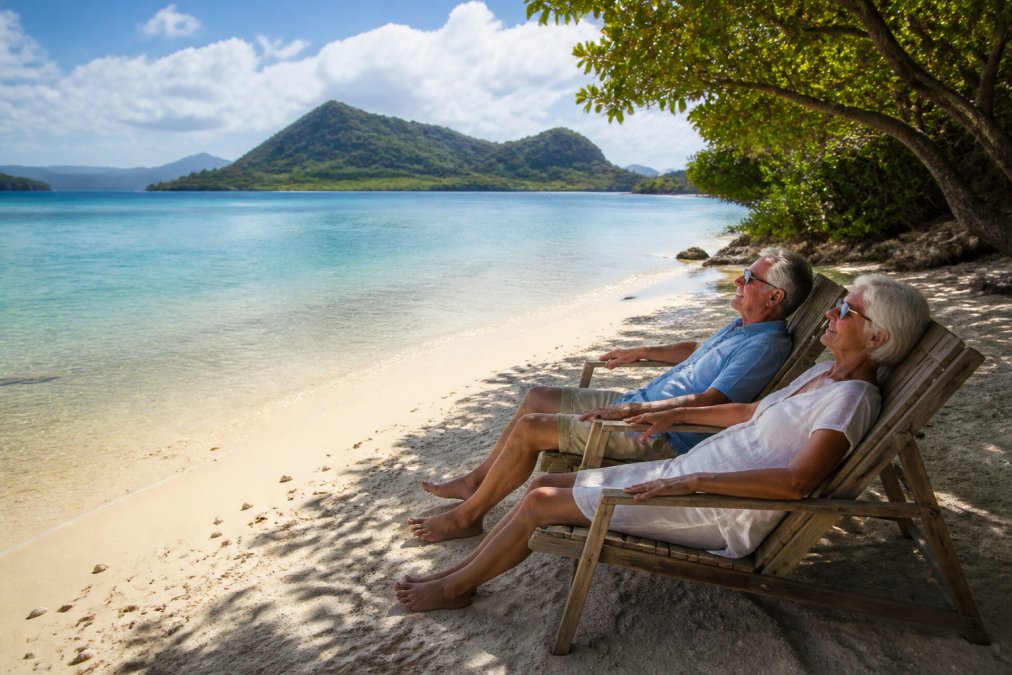
Fiji leads for Australian seniors due to its short flight time, English-speaking locals, and established tourism infrastructure. The Yasawa Islands offer secluded beaches and clear water, while Viti Levu provides easier access to medical facilities and luxury accommodation. For a first Pacific trip, Fiji's comfort and authentic village culture are hard to beat.
Vanuatu suits those drawn to cultural immersion and active volcanoes, though its infrastructure is more basic. New Caledonia offers a French-Polynesian blend with excellent snorkeling, but at a higher price. Weigh logistics carefully: a 3-hour direct flight beats a 10-hour journey with two stops, regardless of how picturesque the island is.
| Destination | Flight from East Coast | Best For | Watch Out For |
|---|---|---|---|
| Fiji | 4-5 hours direct | First-timers, cultural tours | Rainy season Nov-Apr |
| Vanuatu | 3 hours direct | Cultural immersion, volcanoes | Basic infrastructure |
| New Caledonia | 3 hours direct | Snorkeling, French cuisine | Higher costs |
Slow-Paced Island Itineraries: The Art of Doing Less
Slow-paced itineraries are the biggest trend in senior Pacific travel. They deliberately limit movement, often basing you on one island for five or more nights, so you build a relationship with a place rather than collecting passport stamps. Doing less means saying no to the third excursion and yes to an unstructured afternoon with a book.
A well-designed slow itinerary includes rest days after long travel legs. If you arrive after an early flight, the first day should be recovery, not a village visit. This reduces fatigue and gives you energy to engage with cultural experiences. For groups, slow pacing also means flexibility if everyone wants an extra beach day.
Best Pacific Tours for Mature Travellers: Our Top Picks
Our top pick is Curious Compass Collective because its Fiji Blue Lagoon and Cultural Tour was designed for travellers wanting both comfort and authenticity. Guests choose between 4 and 5-star hotels or spend three of eight nights in a traditional village stay, with visits to the Blue Lagoon movie caves and Tom Hanks' Castaway Island. The small-group format means expert guides act as storytellers, and the itinerary is paced for mature travellers without typical expedition strain.
For a fully structured, all-inclusive option, Silversea offers ultra-luxury voyages with butler service and all-suite ocean-view accommodation, though at a premium price and with less cultural depth than land-based tours. Tauck is another strong option for transparent, all-inclusive pricing covering gratuities and excursions, but its Pacific departures are limited and book out quickly.
Travellers wanting complete flexibility should consider a bespoke itinerary through a specialist operator. This suits multi-generational groups needing medical-grade accessibility or dietary customisation. The cost is higher, but the itinerary bends entirely around your needs.
How to Prepare for Pacific Island Cultural Workshops
Preparing for cultural workshops requires more than packing a camera. Research village protocols, such as appropriate dress and whether photography is permitted during ceremonies. In Fiji, a welcome ceremony involves drinking kava; understand it beforehand so you can participate or decline politely without causing offence.
Bring modest clothing covering shoulders and knees for village visits, and pack reef-safe sunscreen, as many Pacific nations restrict chemical sunscreens. If your workshop involves weaving, cooking, or dancing, arrive with reasonable expectations about your physical limits. Cultural immersion is about participation, not performance.
Health precautions should be settled before you leave. Check current travel health advice for your destination and confirm your routine vaccinations are up to date. The Australian Government's Smartraveller advice provides destination-specific guidance on safety and health, and the Department of Foreign Affairs and Trade travel information outlines consular support available to Australians overseas. Carry a basic first-aid kit and a list of your medications, and ensure travel insurance covers any activities you plan to attempt.
Planning for Health, Safety, and Peace of Mind
Planning for health and safety starts with a conversation, not a checklist. Speak to your doctor about your itinerary, particularly if it involves boat transfers, village stays, or physical activity beyond your normal routine. Discuss vaccinations or malaria prophylaxis, and ask for a letter listing your medications and conditions.
Medical facilities vary dramatically across the Pacific. While Fiji's main hospitals can handle most emergencies, remote islands may require evacuation to a larger centre, making comprehensive travel insurance essential. Verify your policy covers helicopter or boat evacuation, as this can cost tens of thousands of dollars without cover. The Smartraveller health advice for travellers recommends confirming your insurance covers all planned activities and any pre-existing medical conditions.
Peace of mind comes from knowing your operator has strong safety protocols. Ask about guide qualifications, vehicle maintenance, and emergency communication plans before booking. A reputable operator will welcome these questions.
Your Next Step: Finding the Right Fit
Choosing the right trip comes down to honest self-assessment. Be realistic about your mobility, energy levels, and the experience you want. If you crave cultural storytelling over five-star formality, a small-group operator focused on mature travellers will serve you better than a large cruise line.
The Long-Stay Advantage: A New Model for the Pacific
A significant shift is the move toward long-stay, or 'slow travel', basing yourself in one location for three weeks or more. This is a different travel model: instead of unpacking every few days, you establish a rhythm, getting to know local shopkeepers and the quietest beach at sunset. It suits seniors who have time and want to avoid the toll of frequent travel.
Long-stay logistics differ from standard tours. At 21 nights or more, you have significant negotiating power. Ask for a 'long-stay rate', often 20-30% below the nightly rack rate, plus complimentary weekly laundry, a dedicated concierge contact, and a guaranteed room upgrade. For those who cook, a villa with a full kitchen allows precise management of dietary needs.
Confirm Wi-Fi reliability if staying connected matters. Major Fiji resorts on main islands have fibre-optic connections adequate for video calls, but outer islands can be patchy. Choose a property advertising 'business-grade' internet, not just 'free Wi-Fi', a crucial distinction many overlook.
Multi-generational travel adds another layer. The ideal operator accommodates different paces, offering optional activities so younger members can snorkel while others enjoy a scenic cruise. A villa or multi-bedroom suite lets generations have their own time while sharing meals. Confirm dietary and wellness customisation in advance, and single travellers should ask about single supplement policies before falling for a twin share price.
The right fit exists, but it requires asking the right questions early. At Curious Compass Collective, our small-group Pacific tours pair thoughtfully paced itineraries with expert guides who prioritise comfort and safety. Whether you choose a nine-day Fiji trip or a longer journey, you will travel without pressure and with personal attention.
Frequently Asked Questions
What defines luxury senior travel in the Pacific compared to standard tours?
Luxury senior travel focuses on comfort, personalisation, and a relaxed pace. It includes features like boutique resorts, private transfers, and expert guides who handle logistics. Unlike standard group tours, itineraries are designed for mature travellers, with less rushing, more rest time, and genuine cultural immersion. Accessibility and mobility assistance are considered from the start, ensuring a stress-free experience.
What should I look for when booking a slow-paced island itinerary?
Look for itineraries that limit travel days and allow at least two or three nights in each location. Check that activities are optional and offer choices for different energy levels. Ask about the physical demands of excursions and whether there are alternatives, like a scenic cruise instead of a long hike. A good slow-paced itinerary includes ample free time for relaxation and spontaneous exploration, without feeling rushed.
Are there specific health and safety considerations for mature travellers in the Pacific?
Yes. Ensure you have comprehensive travel insurance that covers medical care and possible evacuation, as some Pacific islands have limited medical facilities. Consult your doctor about recommended vaccinations and health precautions. Choose tours that have qualified guides trained in first aid and that use reputable transport providers. Tell your tour operator about any mobility or medical needs before booking.
How can I ensure authentic cultural immersion without sacrificing comfort?
Seek small-group tours that partner directly with local communities, offering genuine exchanges rather than staged performances. Look for options to participate in cultural workshops, village stays, or meals with local families, balanced with high-end accommodation. Ask operators how they connect with locals and whether they support community initiatives. This approach provides meaningful cultural immersion while maintaining the comfort and privacy you expect.
Frequently Asked Questions
What defines luxury senior travel in the Pacific compared to standard tours?
Luxury senior travel focuses on comfort, personalisation, and a relaxed pace. It includes features like boutique resorts, private transfers, and expert guides who handle logistics. Unlike standard group tours, itineraries are designed for mature travellers, with less rushing, more rest time, and genuine cultural immersion. Accessibility and mobility assistance are considered from the start, ensuring a stress-free experience.
What should I look for when booking a slow-paced island itinerary?
Look for itineraries that limit travel days and allow at least two or three nights in each location. Check that activities are optional and offer choices for different energy levels. Ask about the physical demands of excursions and whether there are alternatives, like a scenic cruise instead of a long hike. A good slow-paced itinerary includes ample free time for relaxation and spontaneous exploration, without feeling rushed.
Are there specific health and safety considerations for mature travellers in the Pacific?
Yes. Ensure you have comprehensive travel insurance that covers medical care and possible evacuation, as some Pacific islands have limited medical facilities. Consult your doctor about recommended vaccinations and health precautions. Choose tours that have qualified guides trained in first aid and that use reputable transport providers. Tell your tour operator about any mobility or medical needs before booking.
How can I ensure authentic cultural immersion without sacrificing comfort?
Seek small-group tours that partner directly with local communities, offering genuine exchanges rather than staged performances. Look for options to participate in cultural workshops, village stays, or meals with local families, balanced with high-end accommodation. Ask operators how they connect with locals and whether they support community initiatives. This approach provides meaningful cultural immersion while maintaining the comfort and privacy you expect.