 ultimate-guide
Kimberley Wilderness Tours: The Ultimate Guide
Table of Contents
- What Makes Kimberley Wilderness Tours Unforgettable
- Best Time to Visit the Kimberley
- Kimberley Tour Duration: Finding Your Perfect Timeframe
- Small Group Kimberley Tours for Seniors: Comfort Meets Adventure
- Core Experiences: Ancient Rock Art, Remote Gorges and Indigenous Culture
- Packing and Preparation for Remote Outback Travel
- Sustainable and Eco-Conscious Wilderness Exploration
- Frequently Asked Questions
Last Updated: September 19, 2026
What Makes Kimberley Wilderness Tours Unforgettable
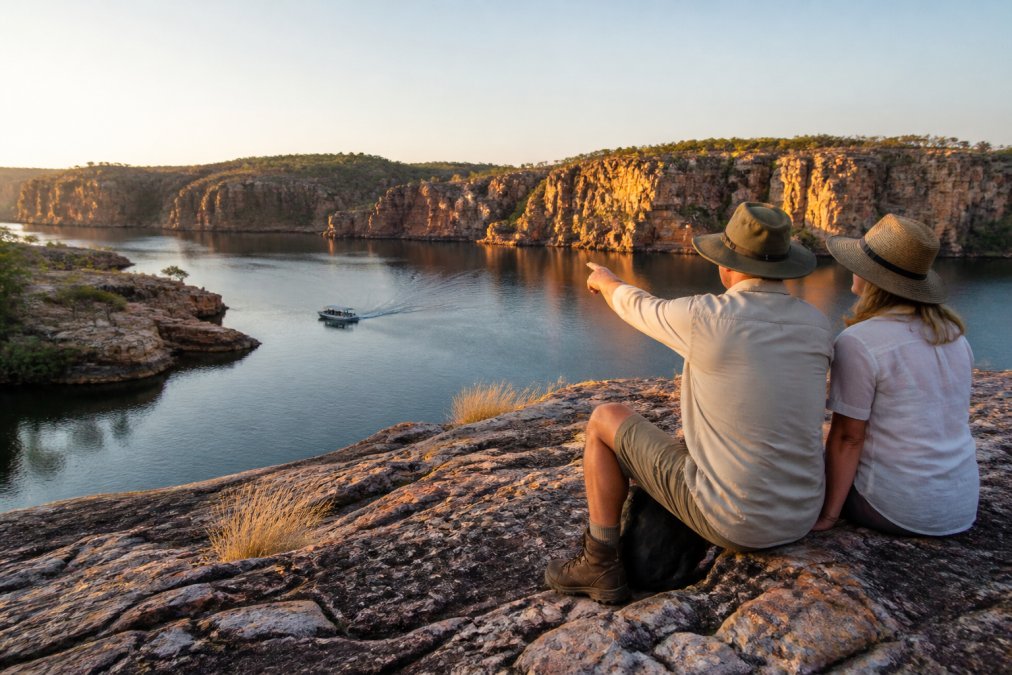
Kimberley wilderness tours offer something most packaged holidays cannot: genuine connection to one of Australia's most remote and culturally significant landscapes. The region's rugged gorges, ancient rock art, and vast outback terrain attract travellers seeking authentic adventure rather than crowded resort experiences. Yet planning a journey to this remote corner of Western Australia demands more than enthusiasm, it requires realistic preparation, the right travel style, and guides who understand both the landscape and the needs of mature travellers.
At Curious Compass Collective, we've spent years refining how small groups experience the Kimberley. What we've learned is that the difference between an exhausting trip and an unforgettable one rarely comes down to how many destinations you tick off. It comes down to pace, expertise, and whether your guides actually listen to what you need each day. Kimberley wilderness tours work best when they're designed around your comfort, not despite it.
This guide covers what makes these tours genuinely different, who they suit best, and how to prepare for a journey that will reshape how you see remote Australia.
Best Time to Visit the Kimberley
The Kimberley has two distinct seasons, and timing determines everything about your experience. The dry season, May through September, offers the most reliable conditions for wilderness exploration. Days are warm and sunny, nights cool enough for comfortable camping or glamping, and the landscape is accessible without the challenges of wet-season travel. Water holes and creeks remain visible, rock art sites are easier to reach, and the outback light has that golden clarity that makes every vista memorable.
The wet season (November to March) transforms the region entirely. Monsoon rains swell rivers, close remote roads, and create flash-flood risks that make conventional 4WD travel impossible in many areas. Humidity climbs, insects multiply, and several iconic sites become inaccessible. For most travellers, particularly those seeking comfort and safety, the dry season is non-negotiable.
April and October sit between seasons. April can still see late rains; October brings building heat and dust. Many tour operators adjust itineraries during these months, and accommodation availability tightens. If you're flexible, aim for June through August, the heart of the dry season, when conditions are most stable and small group Kimberley tours operate at their most reliable.
Kimberley Tour Duration: Finding Your Perfect Timeframe
How long should your Kimberley wilderness tour be? The answer depends on what you want to experience and how much time away from home feels realistic. A 5-day tour covers the core highlights, major gorges, key rock art sites, and a genuine taste of outback life. It's enough to settle into the landscape without feeling rushed, though you'll move between locations regularly.
A 9-day itinerary allows deeper exploration. You'll spend more time in each area, visit secondary sites that most tours skip, and have days where the pace genuinely slows. This duration suits travellers who want to absorb the culture and landscape rather than simply see them. The Kimberley's scale becomes apparent over nine days, you realize how vast the region truly is.
Two-week tours (14 days) are the sweet spot for many mature travellers. They combine comprehensive coverage with flexibility. You'll experience multiple ecosystems within the Kimberley, spend real time with local guides and communities, and return home without feeling like you've been in constant transit. The Kimberley Nulla Nulla Camping Safari runs 21 days, allowing extended immersion for those who want to go deeper still.
The mistake many travellers make is underestimating travel time. The Kimberley isn't a destination where you move between hotels daily. Distances are vast, roads are rough, and moving camp takes half a day. A "7-day" tour often includes two travel days, leaving five days for actual exploration. Build this into your expectations.
Small Group Kimberley Tours for Seniors: Comfort Meets Adventure
The Kimberley attracts all ages, but small group wilderness tours designed specifically for mature travellers operate on different principles than standard adventure trips. The distinction matters.
Why Small Groups Matter for Mature Travellers
A small group, typically 6 to 12 people, allows guides to adjust pace and activities based on real feedback rather than a fixed itinerary. If your knees are protesting a particular walk, or if you want to spend an extra hour at a rock art site, there's flexibility. Large group tours (20+ people) cannot offer this; they move on schedule regardless of individual needs.
Small groups also foster genuine connection. You'll eat meals together, share stories around the campfire, and develop real friendships with fellow travellers. Many people booking Kimberley tours return specifically because of the people they met, not just the landscape they saw.
Safety improves dramatically in smaller groups. Your guide knows each person's fitness level, any medical considerations, and preferred pace. In remote terrain, this knowledge is invaluable. A guide managing 30 people cannot provide the same level of individual attention.
Accessibility and Fitness Considerations
The Kimberley is not a gentle walk. Gorge hikes involve uneven terrain, occasional scrambling, and exposure to sun and heat. However, "rugged" does not mean "impossible for people in their 60s or 70s."
Most iconic Kimberley experiences, viewing ancient rock art, swimming in natural pools, watching sunsets over the ranges, require modest walking, not mountaineering. A typical day might include two walks of 45 minutes to an hour, with rest breaks built in. The terrain is challenging but manageable for anyone with reasonable mobility.
Glamping and cabin-based tours remove the camping challenge entirely. You sleep in a comfortable bed, shower with hot water, and wake without the physical effort of breaking camp. The fully accommodated 14-day Kimberley tour uses this model, allowing you to experience wilderness without sacrificing sleep quality or basic comforts.
Fitness matters less than honesty about your fitness. If you can walk for 45 minutes on uneven ground without joint pain, you can manage most Kimberley tours. If you struggle with hills or have knee issues, mention this when booking. Your guide will adjust activities, shorter walks, alternative viewpoints, rest days built into the itinerary.
| Tour Type | Walking Intensity | Accommodation | Best For |
|---|---|---|---|
| Camping safari | Moderate to high | Camping/swag | Active travellers comfortable with outdoor living |
| Glamping tour | Moderate | Glamping/cabins | Comfort-focused adventurers |
| Fully accommodated | Low to moderate | Hotels/lodges | Those prioritising rest and comfort |
| Private custom tour | Variable | Per request | Groups wanting tailored pace |
Core Experiences: Ancient Rock Art, Remote Gorges and Indigenous Culture
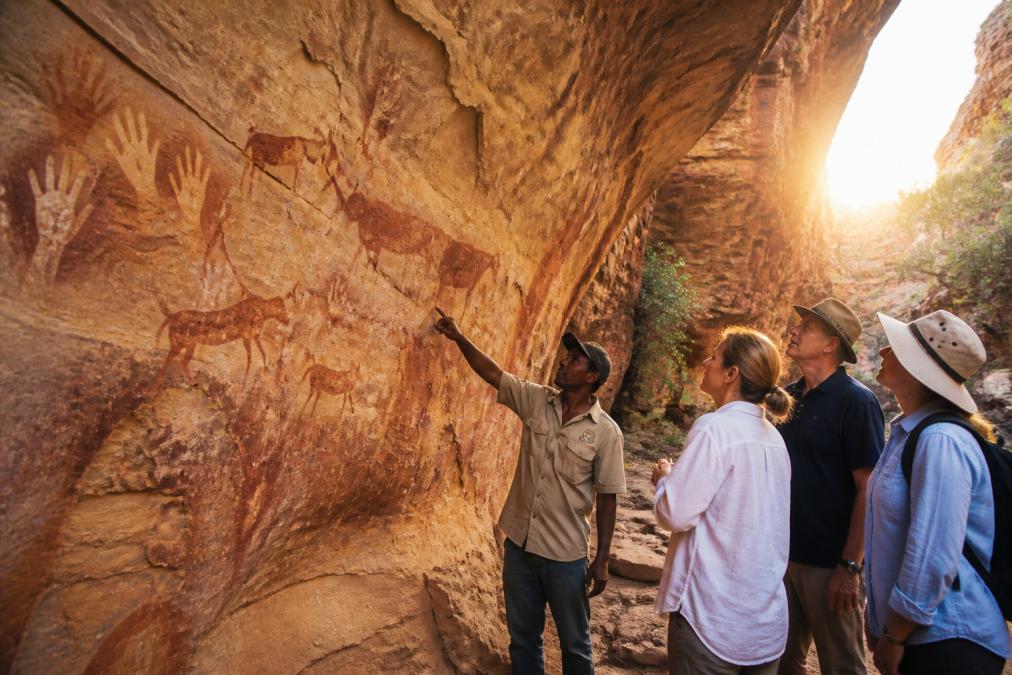
The Kimberley's rock art is among the oldest continuous artistic traditions on Earth. Some hand stencils date back 40,000 years. Walking past these ancient marks, knowing that human hands created them when ice ages shaped the world, creates a visceral connection to deep time that no photograph captures.
Most Kimberley wilderness tours include visits to major rock art sites: Purnululu National Park's Bungle Bungles, the Gibb River Road's remote galleries, and lesser-known sites accessible only with local guides. The difference between a rushed visit and a meaningful one is time. A guide who knows the stories, the Dreamtime narratives, the techniques used to create the art, the cultural protocols for viewing, transforms a rock face into a conversation across millennia.
Indigenous guides elevate these experiences further. They explain not just what the art depicts but what it means within their culture. This is the difference between tourism and genuine cultural exchange. Several Kimberley tour operators prioritise employing local guides and ensuring that cultural experiences benefit local communities directly.
The gorges themselves, Windjana, Tunnel Creek, Manning, Drysdale, offer swimming, hiking, and scenes that define "remote wilderness." Gorge swimming in natural pools fed by underground springs is a signature Kimberley experience. The water is cool, the walls tower overhead, and the sense of isolation is profound.
Packing and Preparation for Remote Outback Travel
Packing for the Kimberley requires thinking differently than for coastal holidays. You're heading into genuinely remote country where resupply isn't an option.
Start with sun protection. The outback sun is relentless. Bring high-SPF sunscreen (50+), a wide-brimmed hat, and lightweight long-sleeved shirts (Sun protection | National Cancer Prevention Policy Skin Cancer Statistics and Issues). Sunburn isn't just uncomfortable; it exhausts you in heat. Polarised sunglasses reduce glare off red earth and water.
Footwear matters enormously. Bring sturdy walking boots broken in before you leave home. The terrain is rocky and uneven; blisters will ruin your trip. Sandals or casual shoes won't cut it.
Sustainable and Eco-Conscious Wilderness Exploration
The Kimberley's remoteness is its greatest asset and its greatest vulnerability. Increased tourism, if poorly managed, threatens the landscapes and cultures that make the region special.
Frequently Asked Questions
What's the best month to visit the Kimberley for wilderness tours?
The dry season from April to October offers the most comfortable conditions for Kimberley wilderness tours. May through August provide cooler temperatures and minimal rainfall, making 4WD travel safer and more enjoyable. The wet season (November to March) brings high humidity, occasional flooding, and road closures. For mature travellers, the shoulder months of April and September offer ideal balance between weather stability and fewer crowds.
How long should I plan for a Kimberley tour to see the highlights?
A 14-day Kimberley tour duration allows you to experience the major highlights: Gibb River Road, Bungle Bungles, Purnululu National Park, ancient rock art sites, and remote gorges without feeling rushed. Shorter 9-day trips cover key destinations but require faster pacing. Longer 21-day expeditions suit those wanting deeper immersion in indigenous culture and remote wilderness areas.
Are small group Kimberley tours suitable for someone with mobility limitations?
Small group Kimberley tours for seniors can accommodate varying fitness levels when selected carefully. Purpose-designed 4WD vehicles provide elevated seating and easier entry than standard vehicles. Many activities, scenic flights, guided walks at accessible sites, and cultural experiences, don't require strenuous hiking. Discuss your specific mobility concerns when booking; experienced operators customise itineraries to match your abilities, ensuring you enjoy the wilderness without physical strain.
What's included in a typical Kimberley wilderness tour package?
Most comprehensive packages include accommodation (ranging from glamping to comfortable cabins or camping), all meals, professional guide services, vehicle transport via 4WD, entry to national parks, and guided activities such as rock art tours and scenic flights. Some tours offer flexible accommodation options to suit budget and comfort preferences. Confirm what's included when comparing operators, as coverage varies. Private tours offer greater customisation of inclusions than standard group packages.