 ultimate-guide
Kimberley Soft Adventure Travel: A Guide for Mature Explorers
Table of Contents
- What Defines Kimberley Soft Adventure Travel
- Best Time to Visit the Kimberley for Comfortable Conditions
- Small Group Kimberley Tours for Seniors: Why Thoughtful Pacing Matters
- Physical Fitness Requirements and Comfort in Purpose-Designed 4WD Vehicles
- What to Pack for a Kimberley Adventure: Essential Gear Breakdown
- Itinerary Highlights and Key Destinations Across the Wilderness
- Cultural Sensitivity and Indigenous Tourism in Remote Regions
- Frequently Asked Questions
Last Updated: September 20, 2026
What Defines Kimberley Soft Adventure Travel
Kimberley soft adventure travel is guided wilderness exploration for mature travellers seeking authentic outback experiences without the physical extremes of expedition tourism. It prioritises thoughtfully paced itineraries, purpose-built 4WD vehicles, and expert-led storytelling that transforms the landscape into a narrative rather than a destination to tick off.
A soft adventure trip to the Kimberley lets you experience gorges, waterfalls, and red-rock wilderness on your own terms, without rushing between campsites, sleeping rough unless you choose to, or competing with younger travellers. You move through one of Australia's most rugged regions with guides who understand that comfort and adventure aren't mutually exclusive.
Curious Compass Collective's Kimberley Nulla Nulla Camping Safari and 14-day fully accommodated trips follow this model: genuine wilderness immersion with flexibility to rest, explore at your pace, and connect with the landscape without exhaustion overshadowing the experience.
Best Time to Visit the Kimberley for Comfortable Conditions
The ideal window for Kimberley soft adventure travel runs from April through October, when temperatures remain manageable and humidity drops. This dry season is when most tours operate, avoiding the November-to-March wet season when humidity exceeds 80%, storms flood tracks, and heat becomes a safety concern.
April and May offer ideal conditions: temperatures around 25-30°C, lush landscapes with full waterfalls, and smaller crowds. By June, cooler temperatures suit those preferring crisp mornings and evenings.
August and September bring drier heat with concentrated water sources, making wildlife viewing more predictable. Temperatures climb toward 35°C but low humidity keeps it manageable. October remains dry but increasingly warm before late spring humidity.
Avoid December through March: roads become impassable, heat and humidity create dangerous conditions, and most operators don't run tours. April-May or August-September offer the best balance of comfort, accessibility, and landscape drama.
Small Group Kimberley Tours for Seniors: Why Thoughtful Pacing Matters
Small-group Kimberley tours designed for mature travellers succeed because they reject the false choice between comfort and authenticity.
Thoughtful pacing allocates time for genuine exploration rather than maximum distance. You might spend three hours at a single gorge system, swimming, listening to geological stories, and absorbing the landscape. A paced tour treats the Kimberley as a place to understand, not a series of photo opportunities.
Travelling with peers in similar life stages and energy levels changes everything. You're not keeping up with gap-year travellers or managing families with children. You're moving with people who value conversation over content and understand that a good day includes rest.
Curious Compass Collective's Kimberley tours build in flexibility: some days are active, others exploratory but unhurried, and every itinerary includes rest days where you choose whether to venture out or stay put. That's soft adventure as a genuine alternative to the expedition conveyor belt.
Physical Fitness Requirements and Comfort in Purpose-Designed 4WD Vehicles
You don't need to be fit to do Kimberley soft adventure travel, just able to walk moderate distances on uneven terrain and manage getting in and out of a 4WD vehicle.
A typical day involves walking, often broken into shorter segments. The pace is leisurely, tracks are marked, and your guide carries water. If your knees aren't perfect or stamina is limited, you rest at camp or stay closer to the vehicle. No one's keeping score.
Purpose-built 4WD vehicles are where soft adventure becomes genuinely comfortable. They're designed for rough terrain with suspension that absorbs corrugations, high ground clearance for river crossings, and improved seating, shade, and ventilation to reduce the physical strain of extended driving through hot country.
Your accommodation also shapes physical demands. Camping on swags (lightweight bedrolls) requires you to manage getting up and down, which is manageable but not effortless. Glamping or lodge-based options eliminate that entirely. A fully accommodated Kimberley tour removes the physical overhead of camp setup, cooking, and sleeping rough, you arrive, your accommodation is ready, and you focus on exploration.
The honest truth: if you have mobility limitations, choose a lodge-based itinerary over camping. If you tire easily, pick a 9-day trip over 21 days. The soft-adventure model exists precisely because one-size-fits-all expeditions exclude people who'd otherwise have extraordinary experiences.
What to Pack for a Kimberley Adventure: Essential Gear Breakdown
Packing for the Kimberley requires balancing the demands of a rugged outback environment with the reality that you're not mountaineering. The essentials cluster into a few categories: sun protection, practical clothing, footwear, and personal items tailored to remote travel.
Sun and heat protection is non-negotiable. A wide-brimmed hat (not a baseball cap) shields your face, ears, and neck. High-SPF sunscreen (50+) applied generously and reapplied after swimming. Sunglasses that block UVA and UVB. A lightweight long-sleeved shirt for days when the sun is relentless, paradoxically, covering up keeps you cooler than exposing skin that burns. Consider a neck gaiter or scarf; the Kimberley's dry heat is brutal on exposed skin.
Clothing should be practical rather than stylish. Quick-dry fabrics work better than cotton because you'll be swimming in gorges and washing in river water. Neutral colours (khaki, grey, tan) reduce glare and don't show dust. Bring layers: mornings and evenings cool down significantly, especially in winter months. Two pairs of trousers, four to five shirts, and underwear you can wash and dry overnight. One warmer layer for evening.
Footwear demands attention. You need solid hiking boots or trail shoes with good ankle support and grip, creek beds are slippery, rocks are sharp, and the terrain is unforgiving. Break them in before you go. Many travellers also pack lightweight sandals for camp and vehicle time. Avoid anything new on the trip; your feet will thank you.
Water and hydration gear includes a refillable water bottle (at least 1 litre capacity) and electrolyte powder or tablets. The Kimberley's dry heat dehydrates you faster than you realise. Your guides will manage group hydration, but carrying your own bottle gives you independence.
Personal items for remote travel: prescription medications (bring extra), a small first-aid kit with blister treatment and pain relief, insect repellent (midges and mosquitoes exist), and a headtorch or small torch. Toilet paper and a trowel if you're camping. Wet wipes for washing when showers aren't available. Moisturiser, the outback dries your skin relentlessly.
Optional but valuable: a lightweight camera or smartphone for photography, a notebook for journaling, binoculars for wildlife spotting, and a small book or e-reader for downtime. Many travellers also bring compression bags to manage luggage space in vehicles.
Your tour operator will provide a detailed packing list specific to your itinerary. Follow it. The Kimberley isn't forgiving of forgotten essentials, and resupply options in remote areas are essentially non-existent.
Itinerary Highlights and Key Destinations Across the Wilderness
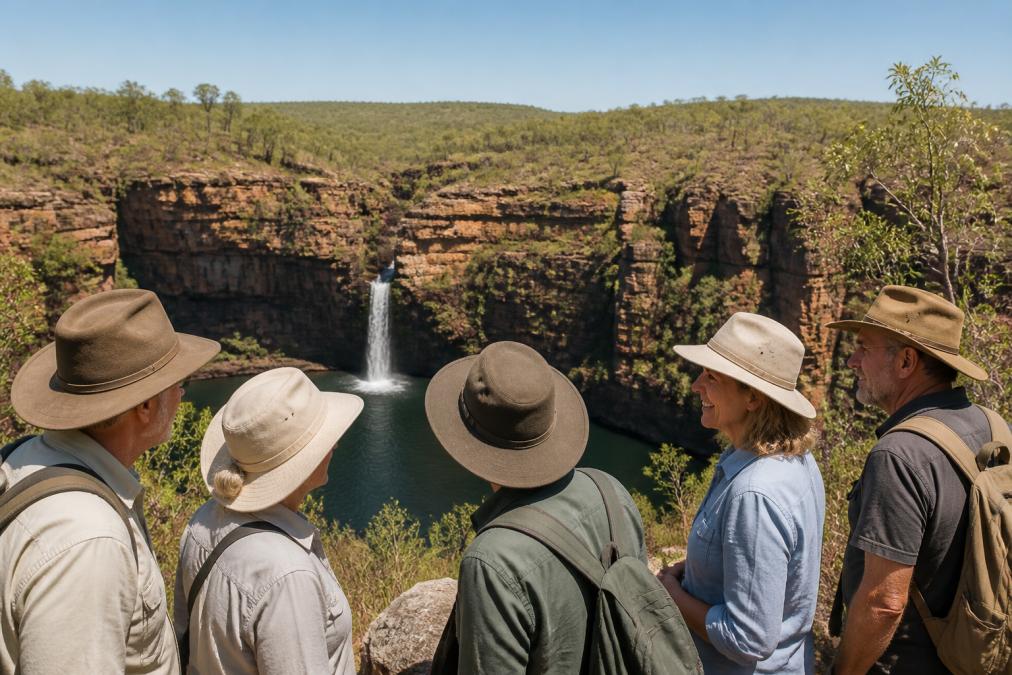
The Kimberley's geography is defined by gorges, waterfalls, and vast red-rock plateaus carved by ancient rivers. A soft-adventure itinerary typically covers between 5-8 major destinations depending on trip length, each offering distinct landscapes and experiences.
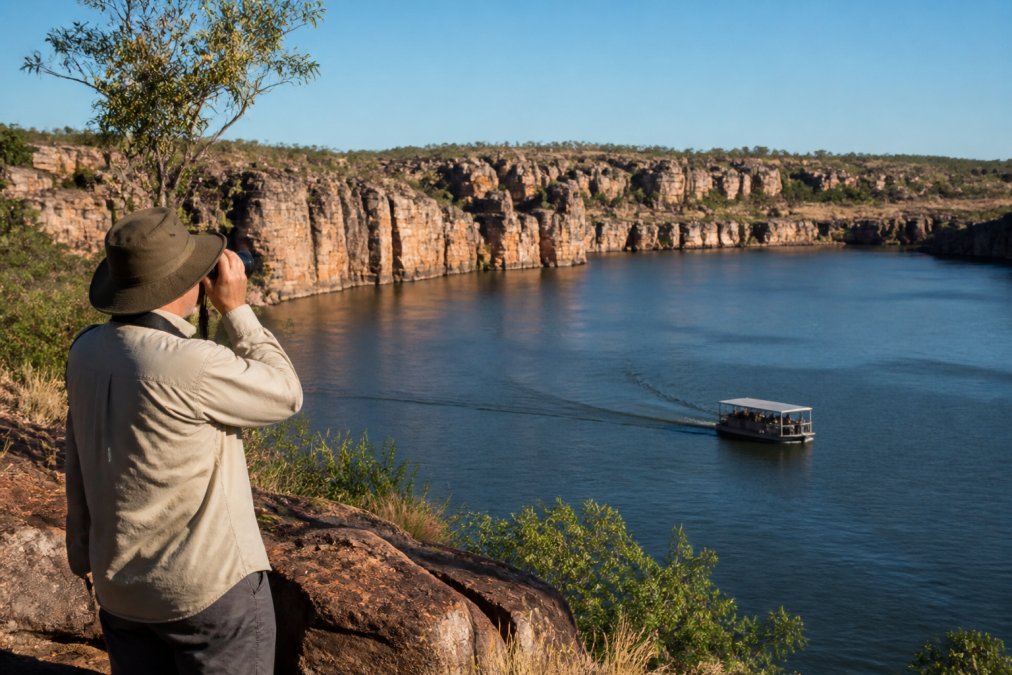
Geikie Gorge is often the starting point, a limestone canyon with sheer 45-metre walls, swimming holes, and a river that supports freshwater crocodiles. The walk is gentle, the water is cool, and the geological story is written in the rock layers. Many groups spend a full day here, swimming, exploring, and absorbing the scale of the place.
The Gibb River Road itself becomes a destination. This 660-kilometre track cuts through the heart of the Kimberley, connecting remote cattle stations and scenic side trips. Travelling it in a purpose-built 4WD is the soft-adventure version of the experience: you're traversing genuine outback without the hardship of a completely self-sufficient expedition. Stops along the way include river crossings, small communities, and access to side gorges.
Purnululu National Park contains some of Australia's most dramatic landscapes: the Bungle Bungle Range with its distinctive striped domes, Piccaninny Creek with its narrow gorge walk, and Cathedral Gorge where acoustic properties amplify every sound. The walks are moderate, the visual payoff is extraordinary, and the sense of remoteness is genuine.
Windjana Gorge presents another limestone formation, this one wider and more open than Geikie, with a permanent freshwater lake and easier walking.
Cultural Sensitivity and Indigenous Tourism in Remote Regions
The Kimberley's landscape is inseparable from its Indigenous history. The region is home to multiple language groups and nations whose connection to the country extends back tens of thousands of years. Visiting responsibly means understanding that you're moving through someone else's country, and that understanding should shape how you behave and what you expect from your tour.
Frequently Asked Questions
What exactly is soft adventure travel, and is it really suitable for someone my age?
Soft adventure travel combines genuine wilderness exploration with comfort and safety tailored to your pace. Unlike expedition-style trips that demand high fitness levels, Kimberley soft adventure focuses on guided 4WD journeys through gorges, waterfalls, and remote outback landscapes with built-in rest days, expert guides, and purpose-designed vehicles. It's designed specifically for mature travellers aged 35+ who want authentic bucket-list experiences without physical strain or rushed itineraries.
What is the best time of year to visit the Kimberley for comfortable weather?
The dry season, May to September, offers the most comfortable conditions with cooler temperatures (15-28°C) and minimal rainfall, making it ideal for outback travel and gorge exploration. The wet season (November to March) brings intense heat, humidity, and frequent storms that can limit access to remote sites. Shoulder months (April and October) provide a balance but can still be unpredictable. Plan your Kimberley adventure during the dry season for reliable weather and safe navigation of off-road terrain.
How flexible are small group Kimberley tours for seniors if my group wants to adjust the itinerary?
Small group tours designed for mature travellers prioritise customisation within reason. Whether you want an extra day at a particular gorge, skip a strenuous activity, or adjust the pace, guided small-group experiences built around 4WD vehicles allow for real-time adjustments that large tour groups cannot offer. Before booking, discuss your group's specific needs and preferences, comfortable pacing, accessibility requirements, and activity preferences, so the itinerary reflects what you actually want from your wilderness journey.
What should I pack for a Kimberley adventure to stay comfortable in remote outback conditions?
Essential items for a Kimberley adventure include lightweight, breathable clothing for heat, layers for cool mornings, sturdy walking shoes with good grip, a wide-brimmed hat, high-SPF sunscreen, and insect repellent. Bring a refillable water bottle, any personal medications, and a small daypack for excursions. For camping-style trips, sleeping bags and pillows are often provided, but confirm with your tour operator. Avoid heavy luggage, soft, compact bags fit better in 4WD vehicles. Pack minimally to reduce weight and environmental impact in these remote, sensitive regions.