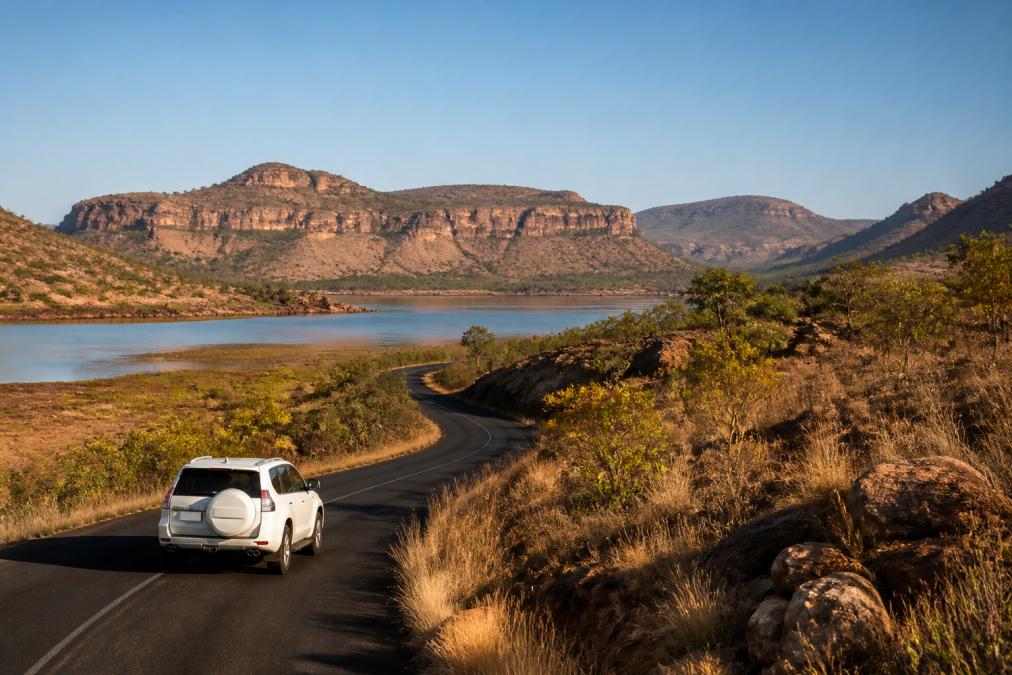
 ultimate-guide
Kimberley Road Trip Tours: A 2026 Guide
Table of Contents
- Why Kimberley Road Trip Tours Work for Mature Travellers
- Best Time to Visit the Kimberley
- Kimberley Road Trip Itinerary: 10 Days of Authentic Exploration
- What to Pack for a Kimberley Road Trip
- 4WD Vehicle Requirements and Safety on Unsealed Roads
- Sustainable and Indigenous-Led Tourism Experiences
- Budget vs Luxury: Finding Your Comfort Level
- Hidden Gems Off the Beaten Path
- Frequently Asked Questions
Last Updated: September 18, 2026
Why Kimberley Road Trip Tours Work for Mature Travellers
A Kimberley road trip offers freedom to explore at your own pace. For travellers aged 35 and beyond, thoughtfully designed itineraries balance adventure with comfort, letting you experience raw outback beauty without sacrificing safety or accessibility.
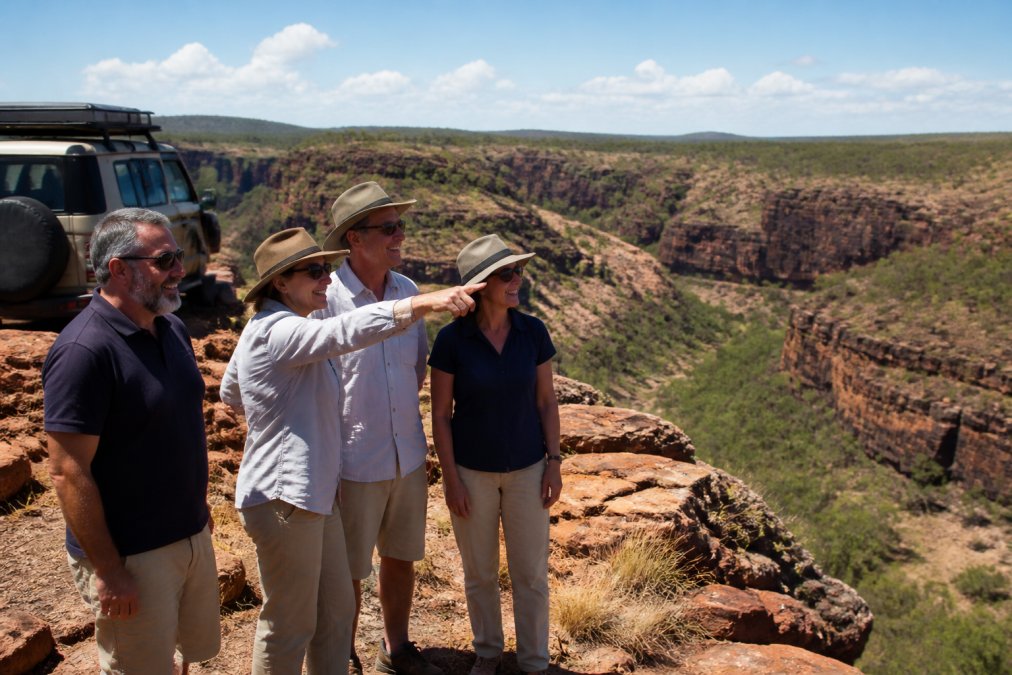
The Kimberley's rugged gorges, ancient rock art, and turquoise waters are unique to this landscape. Unsealed roads, remote distances, and logistical complexity deter many travellers. Guided Kimberley road trip tours solve this: expert guides handle navigation, vehicle maintenance, and route planning while you experience the wonder.
Curious Compass Collective's 14 and 21-day Kimberley road trip tours, including the Kimberley Nulla Nulla Camping Safari, prove age isn't a barrier to adventure, it's a reason to do it smarter.
Best Time to Visit the Kimberley
The dry season, May through October, is the only realistic window for Kimberley road trip exploration. Temperatures sit between 20-28°C, roads are passable, and water crossings manageable. The wet season floods rivers, turns roads to mud, and closes many attractions.
Within the dry season, May and June offer the best light and fewest crowds. July and August are busier but excellent. September and early October remain viable, though temperatures climb. Shoulder months are risky, with unpredictable weather and deteriorating roads.
May through August aligns with when Aboriginal communities run guided tours and cultural programs, making it ideal for meaningful cultural connection.
Kimberley Road Trip Itinerary: 10 Days of Authentic Exploration
A 10-day Kimberley road trip itinerary balances accessibility with depth, covering essential landscapes, gorges, waterholes, and rock art without exhaustion. This structure works for self-drive and guided tour travellers alike.
Days 1-3: Broome to Derby
Start in Broome, the gateway to the Kimberley. Spend your first day acclimatising: walk Cable Beach, visit the Pearl Luggers Museum, and absorb the town's pearling heritage as a gentle transition into remote travel.
Day two takes you 220 kilometres northeast to Derby on sealed road. Stop at Roebuck Bay for sunset views. Derby is your last proper town before the outback: stock supplies, check your vehicle, and visit the Derby Boab Prison Tree, a 1,600-year-old baobab that once held prisoners.
Day three is a rest day or short excursion to the King Leopold Ranges or scenic flight. Guided tour operators suggest hidden spots most tourists miss.
Days 4-7: Gibb River Road and Gorges
The Gibb River Road is the heart of any Kimberley road trip. This 660-kilometre unsealed route cuts through wilderness, connecting spectacular gorges. You'll need a capable 4WD and nerves of steel, but the payoff is unmatched.
Day four takes you into the Gibb. Stop at Adcock Gorge for a swim (crocodile-safe zones only, ask your guide). The red cliffs and turquoise water define the Kimberley aesthetic. Camp at one of the established grounds or, if you're on a guided tour, at a designated site with proper facilities.
Days five and six are gorge-hopping days: Galvan's Gorge, Windjana Gorge, and Tunnel Creek. Short distances (30-50 kilometres between stops) leave time for exploration and photography. A guided Kimberley road trip proves its worth here: your guide knows safe water crossings, fresh water sources, and where light hits the cliffs best.
Day seven is your buffer. If weather delays you or a gorge captivates you, this day absorbs the impact.
Days 8-10: Kununurra and Return
Kununurra is the eastern anchor of the Kimberley. Spend a day exploring Lake Argyle and Aboriginal-led tours, learning Kimberley history directly from the people whose ancestors lived here for tens of thousands of years.
Day nine offers flexibility: fly back to Perth or Broome, or drive south. Guided Kimberley road trip tour itineraries specify return logistics.
Day ten is travel home or a buffer for delays. Expect the return journey to take longer than you think, remoteness means slower speeds and frequent stops.
What to Pack for a Kimberley Road Trip
Packing for the Kimberley isn't complicated, but it's unforgiving if you forget essentials. The region demands respect for its extremes: intense sun, minimal shade, and vast distances between supplies.
Sun and heat protection comes first: high-SPF sunscreen (50+), wide-brimmed hat, polarised sunglasses, and lightweight long-sleeved clothing. The sun reflects off red earth and water with brutal intensity. Carry at least 4 litres of water per person per day, plus electrolyte replacement.
Footwear should include sturdy walking boots for rocky terrain, sandals for camp, and water shoes for river crossings. The terrain is sharp: spinifex grass cuts, rocks bruise, and river stones are slippery.
Clothing needs to work in layers. Mornings and evenings cool significantly, especially May through July. Pack a fleece or light jacket and quick-dry clothing for water activities. Avoid cotton; merino or synthetic fabrics are better.
First aid and medications are critical. The Kimberley has no pharmacies beyond Derby or Kununurra. Bring blister treatment, pain relief, antihistamines, anti-diarrhoea medication, personal prescriptions in double quantity, and a comprehensive first aid kit.
Navigation and communication matter. Carry detailed maps, GPS, and a satellite phone or personal locator beacon. Mobile coverage is non-existent in most of the region. Guided Kimberley road trip tour operators handle this; self-drivers must plan ahead.
Camp gear (if camping) includes a sleeping bag rated for cool nights, a sleeping mat, and a headlamp. Many guided tours provide accommodation, reducing what you need to carry.
4WD Vehicle Requirements and Safety on Unsealed Roads
Not every 4WD is equal on the Gibb River Road. The Kimberley's unsealed roads demand specific capabilities and regular maintenance. If you're self-driving, understand what your vehicle can handle. If you're joining a guided Kimberley road trip, your operator's vehicles are purpose-built for this terrain.
Vehicle specifications matter: high ground clearance (at least 200mm), all-terrain tyres, snorkel for water crossings, and underbody protection. Dual fuel tanks, bullbar, recovery points, and winch are essential insurance.
Maintenance must happen before you leave civilisation. Have your mechanic check suspension, brakes, cooling system, and hoses. Carry spare belts, hoses, oil, coolant, air filters, puncture repair kit, and spare tyres.
Water crossings are the Gibb's signature challenge. Never attempt a crossing without checking depth first. Engage low-range 4WD, build momentum, and maintain steady speed. If you stall mid-crossing, do not restart the engine; water in the engine bay means serious damage.
Driving technique on unsealed roads differs from sealed highways. Reduce speed to 60-80 kilometres per hour and avoid sudden braking. Deflate tyres slightly (5-10 psi below normal) for traction on sand and gravel; reinflate on sealed road. Increase following distance due to dust clouds.
Sustainable and Indigenous-Led Tourism Experiences
The Kimberley belongs to Aboriginal peoples whose connection to the land spans 65,000 years. Respectful tourism means supporting indigenous-led experiences and understanding that you're a guest, not a consumer.
Aboriginal communities offer guided tours of rock art sites, cultural camps, and traditional country. Curious Compass Collective prioritises indigenous partnerships.
Rock art interpretation is sacred when led by Aboriginal guides.
Budget vs Luxury: Finding Your Comfort Level
Kimberley road trip costs vary wildly depending on how you travel. A self-drive trip with camping might cost $100-150 per person per day (vehicle hire, fuel, supplies, permits). A fully guided tour with accommodation ranges from $250 to $500+ per person per day. Luxury tours exceed $600 daily.
Hidden Gems Off the Beaten Path
Most Kimberley visitors hit the same gorges: Windjana, Tunnel Creek, and Geikie. These are spectacular and worth visiting. But the Kimberley's best-kept secrets lie beyond the main circuit.
Frequently Asked Questions
What is the best month to visit the Kimberley?
The dry season from April to October offers the most reliable conditions for Kimberley road trip tours. May through September provides comfortable temperatures (15-28°C), clear skies, and accessible roads. October can be hot but remains viable. The wet season (November to March) brings cyclones, flooded rivers, and impassable unsealed roads, making self-drive travel unsafe. Guided tours during the dry season allow you to experience the region at its most accessible while avoiding the physical strain of navigating challenging conditions alone.
How do small-group Kimberley road trip tours differ from self-drive itineraries?
Small-group tours handle logistics, safety, and navigation, leaving you free to absorb the landscape and stories. Expert guides provide context about ancient rock art, indigenous culture, and local history, knowledge that transforms sightseeing into genuine learning. Self-drive trips demand route planning, vehicle maintenance, fuel management, and navigation responsibility. Guided tours also offer social connection with like-minded travellers and the reassurance of professional support in remote areas where satellite phones and breakdown assistance matter. For mature travellers prioritising comfort and authentic storytelling, this difference is substantial.
What should I pack for a guided Kimberley road trip?
Bring lightweight, breathable clothing in neutral colours (reds attract insects), a wide-brimmed hat, high-SPF sunscreen, and polarised sunglasses for glare off water. Pack sturdy walking shoes with good grip for rocky gorge trails and river crossings. Bring a torch, insect repellent, and any personal medications in original containers. A small day pack, reusable water bottle, and camera are essential. Most guided tours provide camping gear and swags, but confirm what's included. Avoid heavy luggage; space in 4WD vehicles is limited. Thermal layers help with cool early mornings, and a lightweight rain jacket works year-round.
Is a 4WD tour necessary for exploring the Kimberley?
Yes, for genuine exploration beyond sealed highways. The Gibb River Road, gorge access tracks, and remote scenic routes require 4WD vehicles with high clearance and robust suspension. Unsealed roads become impassable after rain, and breakdowns in remote areas demand professional recovery. Guided 4WD tours manage these risks through vehicle maintenance, route knowledge, and communication systems. You can visit Broome or Kununurra on sealed roads, but the Kimberley's most rewarding experiences, Bungle Bungle Range, Purnululu, remote gorges, demand 4WD access. Guided tours ensure safe, comfortable navigation without the responsibility of operating the vehicle yourself.