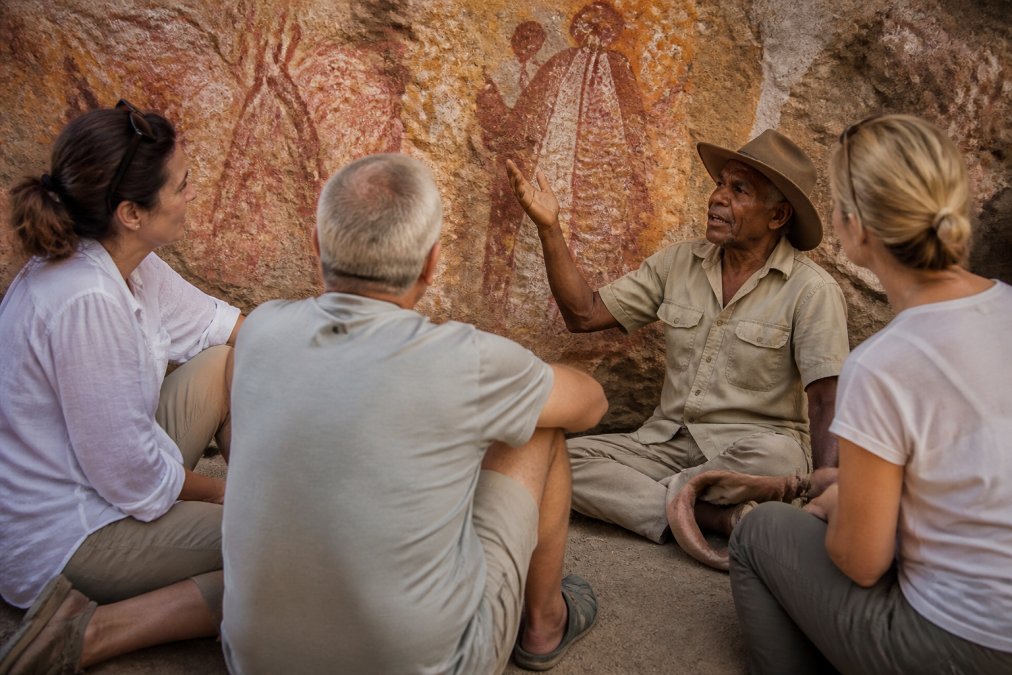
 listicle
Kimberley Cultural Experiences: A Traveller's Guide
Table of Contents
- What Makes Kimberley Cultural Experiences Unique
- Aboriginal-Led Tours Kimberley: Authentic Storytelling and Connection
- Best Time to Visit Kimberley for Cultural Tours
- Cultural Etiquette and Respectful Engagement
- How to Book Authentic Cultural Experiences
- Accessibility and Comfort for Mature Travellers
- Conclusion
- Frequently Asked Questions
Last Updated: September 17, 2026
What Makes Kimberley Cultural Experiences Unique
Kimberley cultural experiences offer something most travellers never encounter elsewhere: direct connection to 65,000 years of continuous Aboriginal heritage woven into living landscapes. This isn't museum-bound history. It's rock art still used in ceremony, stories told on country by the people whose ancestors created them, and knowledge systems that have sustained communities through ice ages and droughts.
The region's cultural depth comes from its geography. The Kimberley's isolation, vast distances, rugged terrain, limited infrastructure, meant that traditional ownership and cultural practice remained unbroken in ways that didn't happen across much of Australia. When you experience Kimberley cultural offerings, you're accessing knowledge that has been transmitted continuously, not reconstructed.
What distinguishes these experiences from generic tourism is the scale of authenticity possible. Small-group tours can access sites and stories that larger operations cannot. Community-led operators control the narrative and the pace. You're not being moved through a pre-packaged story; you're being invited into relationships with country and people on their terms.
At Curious Compass Collective, we've designed our Kimberley Nulla Nulla Camping Safari and fully accommodated 14-day tours specifically around this principle: slow enough to absorb, small enough to listen, guided by people with genuine connection to the places you're visiting. The difference between rushing through Kimberley cultural sites and actually engaging with them is the difference between sightseeing and understanding.
Aboriginal-Led Tours Kimberley: Authentic Storytelling and Connection
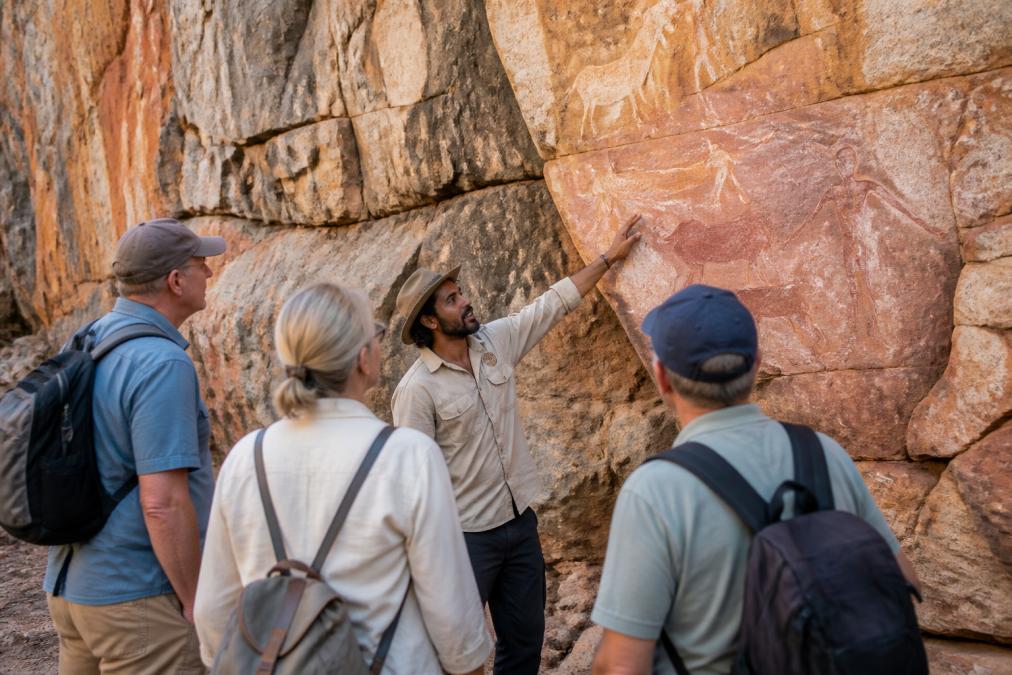
Aboriginal-led tours in the Kimberley are the foundation of authentic cultural engagement. When your guide is from the country being discussed, the experience shifts from education to connection. They're not translating culture for outsiders; they're sharing their own knowledge and relationship with place.
The difference matters practically. A guide born in the region knows which rock art sites are actively used, which stories are appropriate to share with visitors, and how seasonal changes affect access and meaning. They understand the nuances, why certain areas require particular protocols, what the landscape reveals at different times of year, how contemporary art practice connects to ancient traditions.
Rock Art and Spiritual Sites
Rock art in the Kimberley represents the world's oldest continuous artistic tradition. Some sites show evidence of use for over 40,000 years. The paintings aren't static museum pieces, many remain part of active spiritual and cultural practice.
Visiting rock art sites requires understanding their significance beyond visual appeal. Some sites are sacred and restricted; others are open to respectful visitors. A guide with cultural authority can explain why certain images matter, how they connect to Dreaming stories, and what protocols apply to your presence there.
The landscape itself tells stories through rock formations, water sources, and vegetation patterns that guides trained in traditional knowledge can read. A valley isn't just scenic; it's a record of seasonal movement, resource availability, and spiritual connection encoded in geography.
Bush Tucker and Traditional Foraging
Bush food knowledge represents thousands of years of ecological understanding. Plants and animals that seem unremarkable to outsiders are food sources, medicines, and teaching tools for people with inherited knowledge of when and where to find them.
Many community-led operators incorporate bush tucker into multi-day tours, combining foraging walks with cooking and eating together. The experience becomes embodied learning, you understand the effort and skill involved when you're the one identifying and preparing food.
Didgeridoo and Indigenous Performances
Didgeridoo performance is often the most visible Aboriginal cultural expression for visitors. When it's presented by skilled performers with deep knowledge of the instrument and its cultural context, it becomes gateway to understanding broader cultural systems.
The didgeridoo isn't a tourist novelty; it's a sacred instrument with protocols around who can play, what songs are appropriate in different contexts, and how it connects to ceremony and storytelling. A performance by someone trained in these traditions communicates respect for the instrument and the culture it represents.
Many Kimberley experiences include didgeridoo performance alongside other art forms, contemporary painting, dance, storytelling, showing how Aboriginal cultural expression continues to evolve while maintaining connection to ancient practices.
Best Time to Visit Kimberley for Cultural Tours
The Kimberley's extreme climate shapes when cultural experiences are accessible and enjoyable. Visiting at the right time means comfortable temperatures, reliable access to sites, and alignment with community events and seasonal practices.
Dry Season Advantages
The dry season, roughly May through September, is when most Kimberley cultural tourism operates (Australia’s North West). Temperatures are warm but not extreme, rainfall is minimal, and roads that become impassable in the wet season are navigable.
For cultural tours specifically, the dry season aligns with when many communities host events and when guides can reliably access remote sites. Rock art sites that may be difficult to reach during the wet season become accessible. Foraging walks work better when trails aren't waterlogged and visibility is clear.
The dry season also means fewer insects and more comfortable conditions for extended time outdoors. For mature travellers particularly, the difference between 35-degree heat with humidity and 30-degree dry heat is substantial.
Festival Seasons and Community Events
The Ord Valley Muster, held in May, celebrates East Kimberley culture through music, art, and food. It's a community event first, tourism opportunity second, the atmosphere reflects genuine celebration rather than performance for visitors.
Other community events happen throughout the year. Some are open to visitors; others are community-only. Local tourism operators know which events welcome outside participation and can help you plan visits that align with them.
Timing your trip around festivals or events deepens cultural engagement. You're not just visiting cultural sites; you're present when communities are actively celebrating their culture.
Cultural Etiquette and Respectful Engagement
Respectful engagement with Aboriginal culture isn't optional add-on to Kimberley tourism; it's foundational to meaningful experience. When you visit cultural sites and interact with Aboriginal people, you're entering relationships that require specific protocols.
Photography restrictions exist for spiritual and cultural reasons. Some rock art sites, some performances, and some stories cannot be photographed. Ask before photographing anything. If someone says no, that's not a negotiation point; it's a boundary you respect.
Sacred sites require particular care. Many rock art locations and natural features hold spiritual significance. Your guide will explain what's appropriate, whether you can enter certain areas, where you can stand, whether you can touch the rock. These aren't arbitrary rules; they reflect ongoing spiritual practice.
Listening matters more than talking. Cultural knowledge isn't delivered in lecture format. Stories unfold, often with pauses and silences that are part of the communication.
How to Book Authentic Cultural Experiences
Booking authentic experiences requires distinguishing between operators with genuine community connection and those using Aboriginal cultural content as marketing without substantive community benefit.
Choosing Community-Led Operators
Community-led operators are owned or substantially controlled by Aboriginal people from the region. This doesn't mean external operators can't run ethical tours, but community ownership ensures cultural authority and that revenue supports the communities whose culture is being shared.
What to Expect from Small-Group Tours
Small-group tours, typically 4-12 people, allow flexibility and genuine interaction that larger groups cannot. Your guide can respond to individual interests, adjust pace based on the group's needs, and create space for real conversation rather than information delivery.
Accessibility and Comfort for Mature Travellers
Kimberley terrain is rugged, distances are vast, and infrastructure is minimal. For mature travellers, accessibility and comfort aren't luxuries; they're requirements for actually being able to participate in cultural experiences.
Conclusion
Kimberley cultural experiences offer something increasingly rare: genuine connection to living culture, guided by people with authority and relationship to the places you're visiting. The region's geography and continuous Aboriginal ownership mean the stories you hear and sites you visit remain central to ongoing cultural life, not reconstructed history.
Frequently Asked Questions
What are the most authentic Aboriginal cultural experiences in the Kimberley?
Authentic experiences include Aboriginal-led tours focusing on rock art and Dreaming stories, bush food foraging with local guides, and visits to community art centres like Waringarri Aboriginal Arts. Look for operators who are Indigenous-owned or employ local Aboriginal guides who can share their own cultural knowledge and connection to country. Small-group tours allow deeper engagement with storytelling and spiritual significance of sites.
How can travellers respectfully engage with Indigenous culture in the Kimberley?
Respect cultural protocols by following guide instructions at sacred sites, asking permission before photography, and listening more than speaking during interpretive walks. Support community-led operators directly rather than third-party booking services. Avoid touching rock art or sacred objects. Acknowledge that you are on Traditional owner land and show genuine interest in learning rather than simply collecting experiences. Small-group settings foster more meaningful, respectful interactions.
What is the best time to visit Kimberley for cultural tours?
The dry season from April to October offers the most reliable weather and accessibility to remote sites. May hosts the Ord Valley Muster festival celebrating local culture, music, and food. Winter months (June-August) provide comfortable temperatures for guided walks and outdoor activities. The wet season (November-March) limits accessibility to many cultural sites and can be physically demanding. Book well in advance for peak season tours.
Are there guided cultural tours available for mature travellers in the Kimberley?
Yes. Operators specialising in mature travellers offer thoughtfully paced itineraries with expert guides, comfortable 4WD transport, and personalised attention. Small-group tours provide safety and social connection without the rush of larger groups. Tours range from three-hour cultural experiences with local guides to multi-day immersive journeys. Many operators customise itineraries to accommodate individual mobility needs and interests in storytelling and heritage.