 how-to
How to Find Slow Travel Packages: A 2026 Guide
Table of Contents
- What Makes a Slow Travel Package Different
- Where to Search for Slow Travel Packages
- How to Plan a Slow Travel Itinerary That Works for You
- Benefits of Small-Group Tours for Seniors and Mature Travellers
- Odyssey Traveller vs Slow Tours: Understanding Your Options
- Step-by-Step: Evaluating and Booking Your Slow Travel Package
- Common Mistakes to Avoid When Choosing a Slow Travel Package
- Conclusion
Last Updated: August 24, 2026
What Makes a Slow Travel Package Different
A slow travel package is a curated itinerary designed around extended stays, authentic local experiences, and a deliberately relaxed pace rather than the rushed sightseeing typical of conventional tourism. You're trading volume of destinations for depth of experience. Instead of photographing a waterfall and moving on, you might spend three days in a region, learning from local guides, eating where residents eat, and developing genuine relationships with the communities you visit.
At Curious Compass Collective, this philosophy shapes every itinerary. Small-group tours are designed so you're never herded through experiences on someone else's schedule. The pacing allows for spontaneous conversations, unexpected discoveries, and the kind of authentic connection that rushed tourism simply cannot deliver. This distinction matters most for mature travellers and those in high-stress professions seeking genuine restoration.
Where to Search for Slow Travel Packages
Finding slow travel packages requires looking beyond conventional travel aggregators. Start with specialist operators who explicitly market small-group or slow-travel experiences. Search for phrases like "small-group cultural tours," "extended stay itineraries," or "immersive travel experiences" combined with your region of interest. Red flags for rushed tours include vague itineraries, high daily activity counts, or emphasis on "efficiency."
Travel clubs and social groups often have curated partnerships with operators who understand group dynamics and customisation. Online communities dedicated to slow travel, cultural tourism, and adventure travel host recommendations and direct operator contacts. Forums and Facebook groups focused on mature travellers or specific regions often include firsthand accounts from people who've actually taken these journeys.
Check whether operators offer private group customisation. Many slow travel specialists will design bespoke itineraries for clubs, family groups, or friends, giving you complete control over duration, pacing, and focus areas. Direct operator websites often provide the richest information, with detailed day-by-day breakdowns, accommodation descriptions, guide credentials, and genuine customer stories.
How to Plan a Slow Travel Itinerary That Works for You
Planning a slow travel itinerary begins with clarity about what "slow" means for your specific situation. Are you seeking cultural immersion, scenic exploration, adventure at a manageable pace, or a mix?
Duration is critical. Slow travel typically means a minimum of two weeks in a single region; shorter trips force the rushed pace you're trying to avoid (peer-reviewed research). Many experienced slow travellers recommend three to four weeks as optimal. If you're working with a fixed timeframe, it's better to cover one region thoroughly than to skim multiple destinations.
Define your activity level honestly. "Slow" doesn't mean sedentary, but it does mean matching activities to your actual comfort. Research accommodation types available in your chosen region and consider what "authentic local experience" actually means to you. Are you interested in learning traditional skills, dining at community tables, visiting artisan workshops, or something else?
Build flexibility into your planning. The best slow travel experiences often emerge from unplanned moments. Operators like Curious Compass Collective design itineraries with built-in flexibility, allowing guides to adapt based on group interests and local opportunities.
Benefits of Small-Group Tours for Seniors and Mature Travellers
Small-group tours fundamentally change the travel experience for mature travellers by eliminating the physical strain and social isolation of larger tour groups (the NIH). When a tour operates with eight to twelve people rather than forty, the pace naturally becomes more manageable, guides can offer personalised attention, and the group dynamic shifts from anonymous crowd to genuine community.
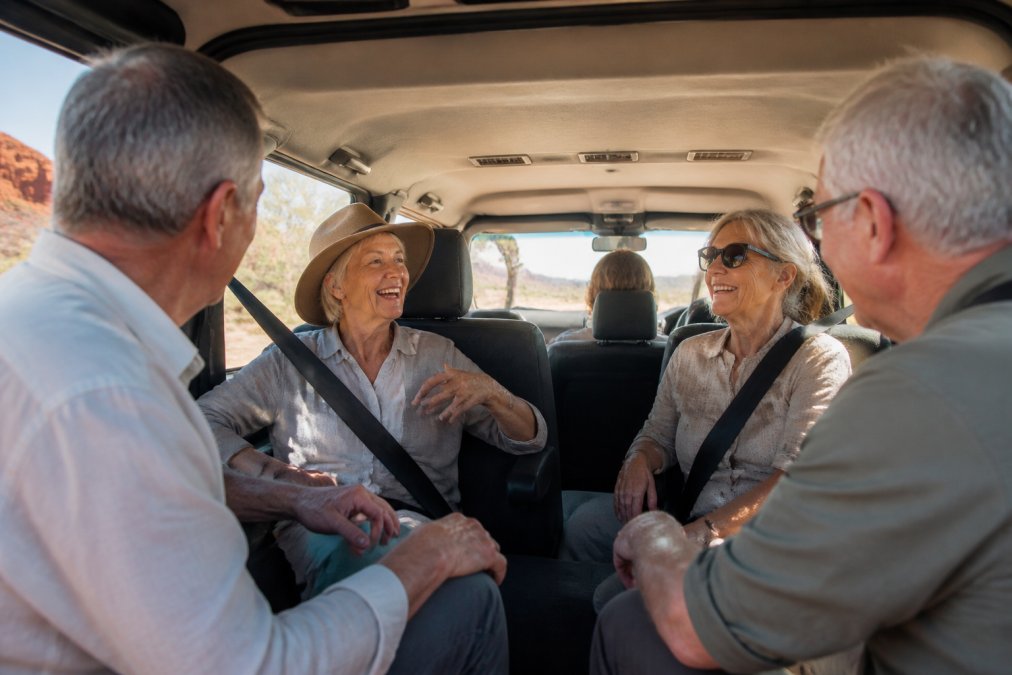
The comfort advantage is immediate. Smaller groups mean shorter wait times, more flexible meal arrangements, and accommodation choices that prioritise comfort over volume. Safety becomes genuinely personalised rather than generic. Guides in small groups notice when someone is struggling with terrain, fatigue, or confidence and can adjust accordingly.
Expert guides in small groups engage differently than guides managing large tours. They share deeper local knowledge, adjust their narrative based on group interests, and create space for genuine conversation. Mature travellers frequently report that the friendships formed during small-group tours extend well beyond the journey itself. Cultural immersion improves when groups are small; local communities respond differently to a group of eight curious travellers than to a coach of forty.
Odyssey Traveller vs Slow Tours: Understanding Your Options
The landscape of slow travel operators includes several distinct approaches. Some operators emphasise escorted travel with a guide managing most logistics and decision-making. This works well if you prefer a structured experience where you can largely relax and absorb without planning.
Other operators focus on self-guided travel with curated itineraries and local support. This appeals to travellers wanting more autonomy and flexibility. A third approach combines small-group travel with high customisation. Operators like Curious Compass Collective work with groups to design bespoke itineraries rather than offering fixed departures, maximising flexibility while maintaining the social and logistical benefits of a small group.
When evaluating any operator, examine their guide credentials, accommodation choices, activity descriptions, and genuine customer testimonials. Ask specific questions about pacing, daily activity levels, and flexibility; the answers reveal whether their "slow travel" philosophy is genuine.
Step-by-Step: Evaluating and Booking Your Slow Travel Package
Evaluating a slow travel package requires moving beyond price comparison to assess whether the operator genuinely delivers on pacing, safety, and authentic experience.

Step 1: Assess the itinerary structure. Request a detailed day-by-day breakdown. Look for how many hours are spent travelling versus experiencing and whether rest days are built in. Genuine slow travel packages show clear pacing, typically three to four hours of activity daily with flexibility for spontaneous exploration (peer-reviewed research).
Step 2: Verify guide credentials and experience. Ask about guide training, safety certifications, and regional expertise. Operators should readily provide references or testimonials specifically addressing guide quality and knowledge.
Step 3: Examine accommodation details. Request specific information about where you'll stay, the actual property names, room configurations, and amenities. Properties should feel like places where locals actually stay, not purpose-built tourist facilities.
Step 4: Understand the group size and composition. Confirm maximum group size and ask about the typical demographic. Small-group tours work best when participants have compatible expectations about pacing and activity level.
Step 5: Clarify flexibility and customisation options. Ask specific questions: Can the itinerary be modified if group interests shift? What happens if someone needs to skip an activity? Operators offering genuine flexibility typically explain their process clearly.
Step 6: Review pricing transparency. Request a detailed cost breakdown showing what's included and what's not. Compare pricing across operators, but weight it against the depth of inclusions and operator reputation.
Step 7: Check cancellation and travel insurance policies. Understand the operator's cancellation terms and whether travel insurance is required or recommended. For extended trips, comprehensive travel insurance is essential.
Step 8: Communicate your specific needs. Have a detailed conversation with the operator about your physical capabilities, preferences, and expectations. Their responsiveness indicates how seriously they take customisation.
Step 9: Request references from similar travellers. Ask specifically for feedback from people with comparable interests, fitness levels, and travel style.
Step 10: Book directly when possible. Booking through the operator directly rather than aggregator platforms typically means better communication, clearer terms, and easier customisation.
| Evaluation Criterion | What to Look For | Red Flag |
|---|---|---|
| Itinerary pacing | 3-4 hours activity daily with rest built in | 6+ activities scheduled daily |
| Guide credentials | Specific training, certifications, regional expertise | Vague descriptions or no credentials mentioned |
| Accommodation | Named properties, local character, comfort details | Generic "3-star hotel" descriptions |
| Group size | Maximum 8-12 people, compatibility focus | Larger groups or no attention to composition |
| Flexibility | Clear customisation options, willingness to adapt | Rigid itineraries, no modification allowed |
| Pricing transparency | Detailed breakdown of inclusions | Hidden costs, vague pricing |
| Communication | Responsive, detailed answers to specific questions | Generic responses, reluctance to discuss details |
Common Mistakes to Avoid When Choosing a Slow Travel Package
The most frequent mistake is confusing "slow" marketing with actual slow travel. Genuine slow travel shows fewer daily activities, longer stays in locations, and built-in flexibility.
Underestimating the value of guide expertise is another common error. The difference between a competent guide and an exceptional one fundamentally shapes your experience. Prioritise operator investment in guide training and selection.
Booking based primarily on price often results in disappointment. Slow travel is inherently more expensive than volume tourism because it requires smaller groups and more personalised attention. Budget accordingly.
Failing to communicate your actual capabilities and preferences before booking creates mismatches. Operators can accommodate diverse needs, but only if you're honest about them upfront.
Overlooking travel insurance for extended trips is risky. For journeys lasting more than a few weeks, particularly those involving remote areas or adventure activities, comprehensive travel insurance is essential.
Booking without understanding cancellation policies creates financial vulnerability. Understand what happens if you need to cancel and what flexibility the operator genuinely offers.
Assuming all small-group operators offer equivalent experiences misses crucial differences. Direct comparison of actual itineraries, guide credentials, and customer testimonials reveals these differences.
Neglecting to ask about flexibility during the journey is a missed opportunity. Operators genuinely committed to slow travel build this flexibility into their model and encourage it.
Booking a package that doesn't align with your actual travel style creates frustration. Match the operator's approach to your actual preferences, not to what you think you should want.
Finding the right slow travel package means prioritising genuine pacing, authentic cultural connection, and personalised attention over price and convenience. Curious Compass Collective specialises in exactly this approach, offering small-group tours designed for mature travellers who value thoughtful itineraries, expert guides who act as storytellers and safety professionals, and the comfort of purpose-designed vehicles across Australia and the Pacific. The difference between rushed tourism and genuine slow travel comes down to intention, and operators who build that intention into every detail deliver journeys that become defining life experiences.
Frequently Asked Questions
What defines a true slow travel package?
A slow travel package prioritises immersive experiences over rushing through destinations. It features smaller group sizes, longer stays in fewer locations, expert-led storytelling, and time for authentic cultural connection. Unlike traditional mass-market tours that tick off multiple cities in two weeks, slow travel packages allow you to absorb local culture, build genuine relationships with communities, and travel at a relaxed pace that suits mature travellers seeking meaningful experiences rather than a checklist of sights.
How do I know if a slow travel itinerary will actually feel relaxed, not rushed?
Look for itineraries that spend at least 2-3 days in each location, include flexible free time, and limit daily activities to 4-5 hours maximum. Check the fine print for hidden morning starts, long coach transfers, or packed schedules disguised as 'leisurely.' Read recent guest reviews specifically mentioning pace and fatigue. Ask the tour operator directly: how much time is unstructured, what's the typical daily routine, and are there rest days built in? Reputable slow travel operators will happily share detailed daily schedules so you can assess whether it matches your energy levels.
What's the difference between booking through a travel agent versus directly with a tour operator?
Travel agents offer convenience, comparison shopping, and sometimes package deals, but may lack detailed knowledge of smaller operators' unique offerings. Booking directly with a slow travel operator gives you access to customisation options, direct communication with guides and planners, and often more flexible payment terms. For mature travellers seeking personalised attention and specific accessibility requirements, direct contact with the operator ensures your needs are understood and addressed before you commit. Many small-group operators also offer private group discounts only available through direct booking.
How do I ensure a slow travel package actually supports local communities?
Ask operators how they partner with local guides, whether accommodation and meals support family-owned businesses, and what percentage of your fee goes directly to the community. Sustainable slow travel packages should include cultural exchange activities led by locals, visits to community-based enterprises, and transparent information about their environmental and social impact. Check whether the operator is part of recognised responsible tourism schemes or has partnerships with local conservation or cultural organisations. Genuine community engagement means real conversations with locals, not staged performances.
This article was written using GrandRanker
Frequently Asked Questions
What defines a true slow travel package?
A slow travel package prioritises immersive experiences over rushing through destinations. It features smaller group sizes, longer stays in fewer locations, expert-led storytelling, and time for authentic cultural connection. Unlike traditional mass-market tours that tick off multiple cities in two weeks, slow travel packages allow you to absorb local culture, build genuine relationships with communities, and travel at a relaxed pace that suits mature travellers seeking meaningful experiences rather than a checklist of sights.
How do I know if a slow travel itinerary will actually feel relaxed, not rushed?
Look for itineraries that spend at least 2-3 days in each location, include flexible free time, and limit daily activities to 4-5 hours maximum. Check the fine print for hidden morning starts, long coach transfers, or packed schedules disguised as 'leisurely.' Read recent guest reviews specifically mentioning pace and fatigue. Ask the tour operator directly: how much time is unstructured, what's the typical daily routine, and are there rest days built in? Reputable slow travel operators will happily share detailed daily schedules so you can assess whether it matches your energy levels.
What's the difference between booking through a travel agent versus directly with a tour operator?
Travel agents offer convenience, comparison shopping, and sometimes package deals, but may lack detailed knowledge of smaller operators' unique offerings. Booking directly with a slow travel operator gives you access to customisation options, direct communication with guides and planners, and often more flexible payment terms. For mature travellers seeking personalised attention and specific accessibility requirements, direct contact with the operator ensures your needs are understood and addressed before you commit. Many small-group operators also offer private group discounts only available through direct booking.
How do I ensure a slow travel package actually supports local communities?
Ask operators how they partner with local guides, whether accommodation and meals support family-owned businesses, and what percentage of your fee goes directly to the community. Sustainable slow travel packages should include cultural exchange activities led by locals, visits to community-based enterprises, and transparent information about their environmental and social impact. Check whether the operator is part of recognised responsible tourism schemes or has partnerships with local conservation or cultural organisations. Genuine community engagement means real conversations with locals, not staged performances.