 how-to
How to Find Authentic Travel: A Step-by-Step Guide
Table of Contents
- What Authentic Travel Actually Means
- Step 1: Research Beyond the Tourist Guidebook
- Step 2: How to Travel Like a Local
- Step 3: Avoid Tourist Traps and Inauthentic Experiences
- Step 4: Connect with Local Communities Respectfully
- Slow Travel Benefits: Why Pacing Matters
- Small Group Tour Advantages for Authentic Discovery
- The Authenticity Paradox: When 'Authentic' Becomes Marketing
Last Updated: August 23, 2026
What Authentic Travel Actually Means
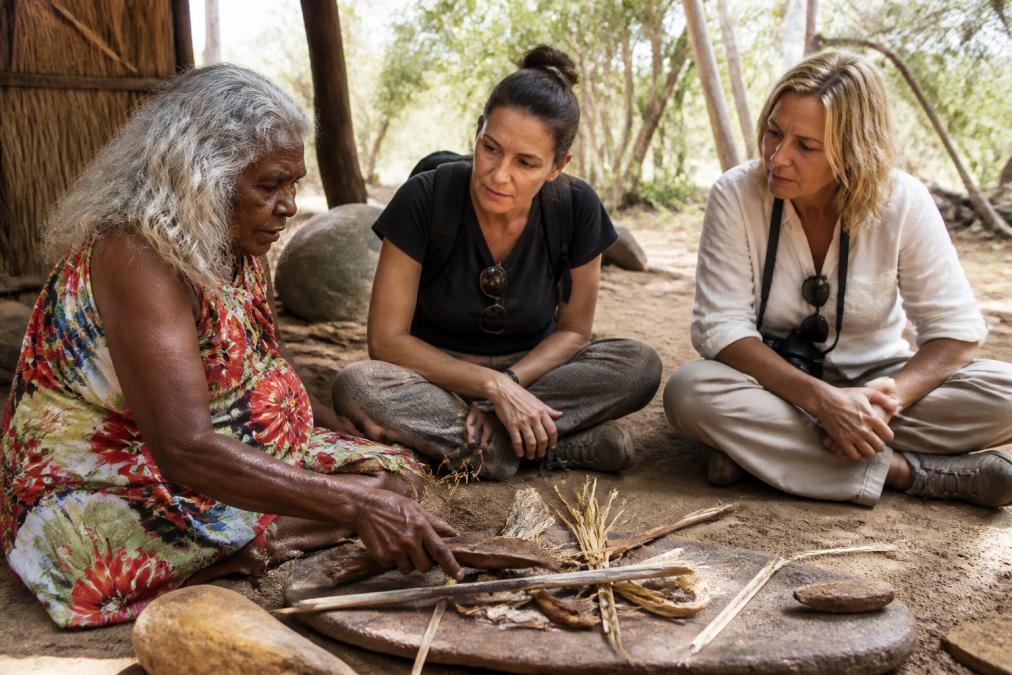
Authentic travel means experiencing a destination through the eyes of people who actually live there, rather than through commercialised tourism packages. It's the difference between eating at a restaurant designed for tourists and sitting at a family-run café where locals order breakfast. True cultural immersion happens when you're genuinely curious about how people live, what they value, and what their daily rhythms look like.
Authentic travel involves understanding local customs, respecting community boundaries, and contributing meaningfully to the places you visit rather than extracting experiences from them. At Curious Compass Collective, we've spent years designing itineraries that prioritise meaningful local connections over ticking boxes on a bucket list. Thoughtfully paced travel allows you to absorb a place, ask questions, and build relationships with people you meet.
The challenge most travellers face is knowing where to start. Tourist guidebooks highlight the same attractions everyone visits. Social media creates pressure to experience everything quickly, which is the opposite of what builds authentic memories. Finding real authenticity requires intentional research, a willingness to step outside familiar patterns, and often, guidance from people who know a place deeply.
Step 1: Research Beyond the Tourist Guidebook
Authentic travel begins long before you arrive. Standard guidebooks naturally gravitate toward famous, accessible, and commercially viable locations. Local residents share their real experiences on platforms tourists often overlook.
Use local blogs and social media from residents
Search for blogs written by people who actually live in your destination. Facebook groups dedicated to your destination, like "Expats in [Location]" or "[Location] Locals," offer honest advice from people with no incentive to promote tourist traps. When you ask where locals actually eat or what neighbourhoods are worth exploring, you get candid responses that reveal what matters to the community.
Instagram accounts run by local photographers, chefs, and artists provide visual context you won't find in guidebooks. Follow hashtags that residents use rather than tourist hashtags. The difference is stark: #TownLife shows street markets, local celebrations, and everyday moments that reveal genuine culture.
Check community forums and local Facebook groups
Community forums have threads where locals discuss neighbourhood changes, favourite spots, and seasonal events. These conversations are unfiltered because they're written for other residents, not tourists. Reddit communities dedicated to specific destinations often have locals answering questions directly and honestly.
Local tourism boards sometimes publish materials aimed at residents rather than visitors. Contact the destination's local council or community centre and ask what events are happening during your visit, you'll often discover festivals, markets, or cultural celebrations that tourists miss entirely.
Step 2: How to Travel Like a Local
Travelling like a local means adopting the rhythms and habits of everyday life rather than following a predetermined tourist itinerary.
Eat where locals eat, not where tourists gather
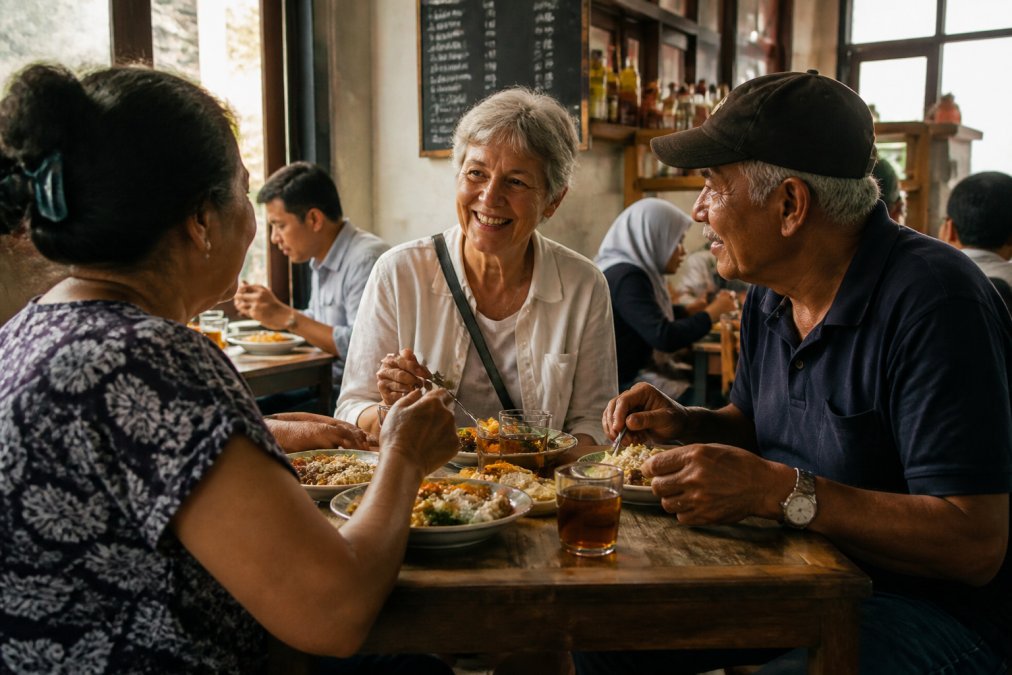
Food reveals culture more honestly than any museum. Look for busy establishments during local meal times, lunch hours and early dinner when residents are eating. Ask locals directly where they eat; many will recommend neighbourhood restaurants you'd never find in a guidebook.
Street food vendors, markets, and family-run cafés serve authentic regional cuisine in its most honest form. Cooking classes or market tours led by locals provide context about food culture, local agriculture, and how communities gather around meals.
Use public transport and explore on foot
Public transport shows you how people actually move through their environment (dot.gov). You'll see neighbourhoods tourists never visit and often strike up conversations with locals. Walking is the slowest, most immersive way to experience a place. You notice details that speed past car windows: shop signs, street art, community bulletin boards, and how people greet each other.
Public transport teaches you how a city is organised. You'll learn which neighbourhoods are residential, which are commercial, and where different communities gather. This geography reveals social patterns that no guidebook explains.
Step 3: Avoid Tourist Traps and Inauthentic Experiences
Not everything marketed as "authentic" actually is. The tourism industry has become sophisticated at packaging culture for consumption.
Spot the signs of over-commercialised 'authentic' attractions
Tourist traps share common characteristics: prices significantly higher than what locals pay, clientele that is almost entirely tourists, and staff who perform culture rather than living it (unwto.org). Photography is often encouraged and facilitated, which signals the experience is designed for documentation rather than authenticity.
"Authentic" experiences that have become Instagram-famous are worth questioning. If an activity appears in hundreds of travel blogs, it's likely been optimised for visual appeal rather than cultural depth. Beware of experiences that flatten culture into simple narratives. Real cultures are complex, contested, and constantly evolving.
Verify local recommendations before committing
Not all recommendations from locals are equal. Some residents profit from tourism and may steer you toward establishments that pay them commission. Locals who are truly recommending something they love tend to explain why and share personal stories.
Ask follow-up questions. If someone recommends a restaurant, ask if they eat there regularly and when they typically go. Ask multiple locals for recommendations on the same topic; if several people independently mention the same spot, it's likely genuinely popular.
Step 4: Connect with Local Communities Respectfully
Meaningful travel happens through genuine human connection. Building relationships with locals requires respect, curiosity, and recognition that you're a guest in someone else's community.
Participate in community-based tourism activities
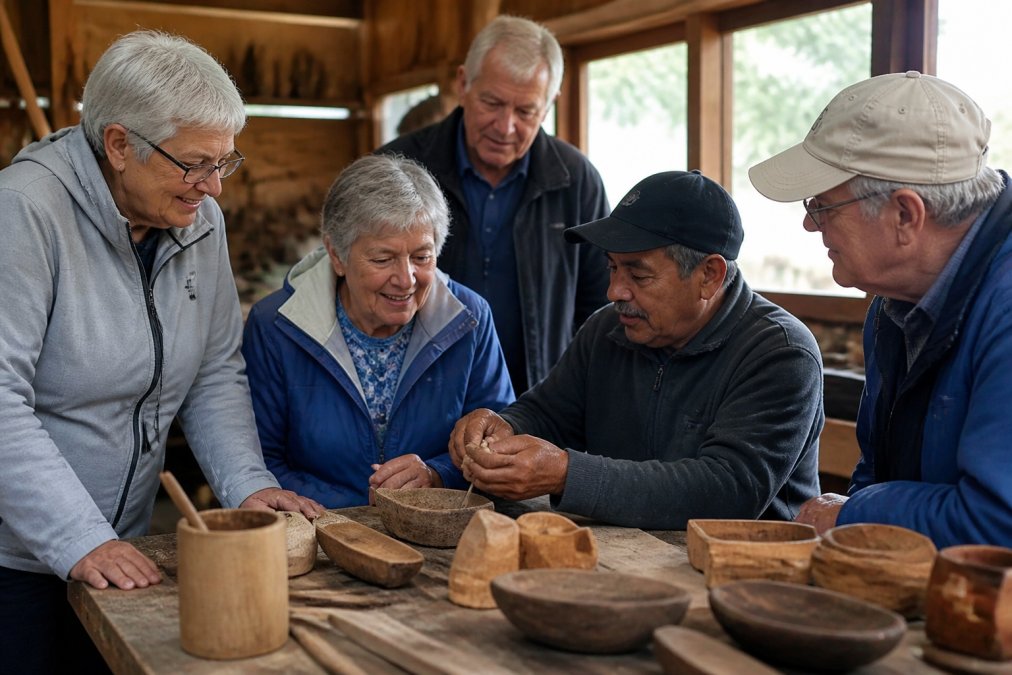
Community-based tourism initiatives are designed and operated by local people who benefit directly from your participation. These might include homestays, cooking classes run by family members, or guided walks led by residents. Profits stay in the community and the experience is shaped by locals rather than external tour operators.
Festivals and community events are authentic by nature because they're created by and for residents, not for tourists. Attending local celebrations, markets, or seasonal gatherings shows respect for community life and allows you to witness culture as it's actually lived.
Learn basic local customs and language
Learning even basic phrases in the local language signals respect and genuine interest. Understanding local customs prevents unintentional disrespect. Research appropriate dress codes, greeting customs, dining etiquette, and topics to avoid.
Ask locals to explain customs rather than assuming. Many people enjoy sharing their culture when asked genuinely. Conversations about "why do you do this?" often lead to deeper understanding of values, history, and community identity.
Slow Travel Benefits: Why Pacing Matters
The tourism industry often measures success by how much you see, not by how deeply you understand. Slow travel, spending extended time in fewer locations, fundamentally changes what's possible.
When you're not rushing to the next destination, you notice details, build relationships, and develop genuine understanding. The first few days in a new place feel foreign and exciting. By the second week, the novelty fades and you start noticing patterns and feeling less like an outsider (apa.org). This shift is where authentic cultural immersion begins.
Extended stays reveal seasonal rhythms and community life beyond tourist season. Markets look different at dawn than at midday. Neighbourhoods have different energy on weekdays versus weekends. Understanding these rhythms requires time.
Slower pacing reduces the pressure to optimise every moment. You can spend an afternoon in a café simply observing rather than rushing to see the next landmark. Many mature travellers find that slow travel aligns perfectly with their preferences. Curious Compass Collective's thoughtfully paced itineraries are designed with this philosophy: you experience more by doing less, and you remember more because you've actually absorbed the places you visit.
Small Group Tour Advantages for Authentic Discovery
Small groups create fundamentally different dynamics than large group tours or solo travel. Small groups, typically 6-12 people, move through communities more like residents than like a tourist invasion.
Large group tours create a bubble that insulates you from authentic local contact. Small groups allow guides to tailor experiences to group interests. If someone wants to spend extra time in a market, the group can adjust. If a conversation with a local leads somewhere interesting, there's flexibility to explore.
Small groups facilitate genuine relationships. You get to know your fellow travellers, and guides can remember individual preferences and mobility needs. Expert guides who function as storytellers rather than information dispensers transform what you experience. A guide with genuine relationships in the community can open doors and explain context that you'd never access independently.
The Authenticity Paradox: When 'Authentic' Becomes Marketing
Here's the uncomfortable truth: the moment you market something as "authentic," it often stops being authentic. A traditional ceremony performed for tourists isn't the same as one performed for community members. A "local market" designed to appeal to visitors operates differently than one serving residents.
The solution isn't to abandon the search for authenticity but to understand that perfect authenticity is impossible for outsiders. You'll always be a visitor, which means you'll always be somewhat external to local life. The goal isn't to pretend otherwise but to engage respectfully and genuinely within that reality.
Authentic travel means accepting some contradiction. You seek genuine experiences while knowing your presence changes what you experience. This honesty, recognising the paradox rather than pretending it doesn't exist, is actually where genuine cultural respect begins. The most authentic experiences often aren't marketed at all. They emerge from time, respect, and genuine human connection.
Finding authentic travel requires intentionality at every stage, from initial research through daily decisions about where to eat and how to spend your time. It means resisting the pressure to see everything quickly and instead choosing depth over breadth. It means respecting communities as places where people actually live, not as backdrops for your experience. Curious Compass Collective's small-group approach to travel is built on this philosophy: thoughtfully paced itineraries with expert guides who have genuine relationships in their communities, allowing you to experience places authentically without the exhaustion of rushing or the isolation of large group tours. When you travel this way, you don't just see a destination, you understand it.
Frequently Asked Questions
What defines an authentic travel experience?
Authentic travel means engaging with a destination's genuine culture, people, and way of life rather than pre-packaged tourist attractions. It involves eating regional cuisine where locals eat, participating in community-based tourism, learning local customs, and having meaningful conversations with residents. True authenticity requires cultural sensitivity and a willingness to slow down and observe rather than rush through a checklist of sights.
How can you avoid tourist traps while travelling?
Research beyond guidebooks by checking local blogs, community forums, and social media from actual residents. Avoid highly photographed spots that feel staged or overly commercialised. Ask locals directly where they go for meals and activities. Be cautious of attractions with inflated prices, aggressive marketing, or crowds of tourists speaking your language. Trust your instincts if something feels designed purely for tourists rather than serving the community.
Why is slow travel considered more authentic?
Slow travel allows deeper connections with local culture and communities. When you stay longer in one place, you move beyond surface-level sightseeing and develop genuine relationships with locals. You discover hidden gems off the beaten path, understand local customs more fully, and participate in everyday activities rather than curated experiences. This unhurried approach also reduces environmental impact and ensures more of your spending supports local economies directly.
What are the benefits of small-group tours for authentic discovery?
Small-group tours offer personal attention and expert guidance without the overwhelm of large crowds. Expert guides who act as storytellers provide context and insider knowledge that enhance cultural immersion. Small groups can access experiences and locations unavailable to larger tours, move at a thoughtful pace suited to mature travellers, and create space for meaningful conversations with both guides and fellow travellers. This format balances comfort and safety with genuine engagement.
This article was written using GrandRanker
Frequently Asked Questions
What defines an authentic travel experience?
Authentic travel means engaging with a destination's genuine culture, people, and way of life rather than pre-packaged tourist attractions. It involves eating regional cuisine where locals eat, participating in community-based tourism, learning local customs, and having meaningful conversations with residents. True authenticity requires cultural sensitivity and a willingness to slow down and observe rather than rush through a checklist of sights.
How can you avoid tourist traps while travelling?
Research beyond guidebooks by checking local blogs, community forums, and social media from actual residents. Avoid highly photographed spots that feel staged or overly commercialised. Ask locals directly where they go for meals and activities. Be cautious of attractions with inflated prices, aggressive marketing, or crowds of tourists speaking your language. Trust your instincts if something feels designed purely for tourists rather than serving the community.
Why is slow travel considered more authentic?
Slow travel allows deeper connections with local culture and communities. When you stay longer in one place, you move beyond surface-level sightseeing and develop genuine relationships with locals. You discover hidden gems off the beaten path, understand local customs more fully, and participate in everyday activities rather than curated experiences. This unhurried approach also reduces environmental impact and ensures more of your spending supports local economies directly.
What are the benefits of small-group tours for authentic discovery?
Small-group tours offer personal attention and expert guidance without the overwhelm of large crowds. Expert guides who act as storytellers provide context and insider knowledge that enhance cultural immersion. Small groups can access experiences and locations unavailable to larger tours, move at a thoughtful pace suited to mature travellers, and create space for meaningful conversations with both guides and fellow travellers. This format balances comfort and safety with genuine engagement.