 how-to
How to Check Tour Company Safety: A Traveller's Guide
Table of Contents
- Why Checking Tour Company Safety Matters
- Step 1: Verify ATIA Accredited Tour Operators Status
- Step 2: Review Public Liability Insurance and Certifications
- Step 3: Assess the Tour Operator Risk Management Plan
- Step 4: How to Verify Travel Agency Legitimacy
- Step 5: Check Guide Qualifications and Safety Training
- Step 6: Research Reviews, References and Safety Record
- Questions to Ask Before You Book
Last Updated: August 21, 2026
Why Checking Tour Company Safety Matters
Safety is the foundation of every tour. A poorly vetted operator can turn an adventure into genuine liability, especially in remote terrain or unfamiliar waters. The difference between a company that cuts corners and one with rigorous safety protocols often comes down to diligence before booking.
At Curious Compass Collective, we understand that mature travellers deserve operators who take work health and safety seriously. When choosing a tour company, you're assessing whether the people running the tour have the competency, insurance, and operational discipline to keep you safe. This is particularly important for small-group adventures in remote or rugged terrain, where professional risk management isn't optional.
An operator without proper public liability insurance, untrained guides, or an inadequate risk management plan exposes you to financial and physical risk. Conversely, an operator with accreditation, documented safety procedures, and verified guide qualifications signals genuine duty of care. Learning to verify these elements transforms you from a passive consumer into an informed traveller who can confidently distinguish between operators who talk about safety and those who practise it.
Step 1: Verify ATIA Accredited Tour Operators Status
The Australian Inbound Tourism Association (ATIA) maintains the most recognisable accreditation for tour operators. Verifying ATIA accreditation is your first checkpoint because it signals that an operator has committed to industry standards and regular compliance audits.
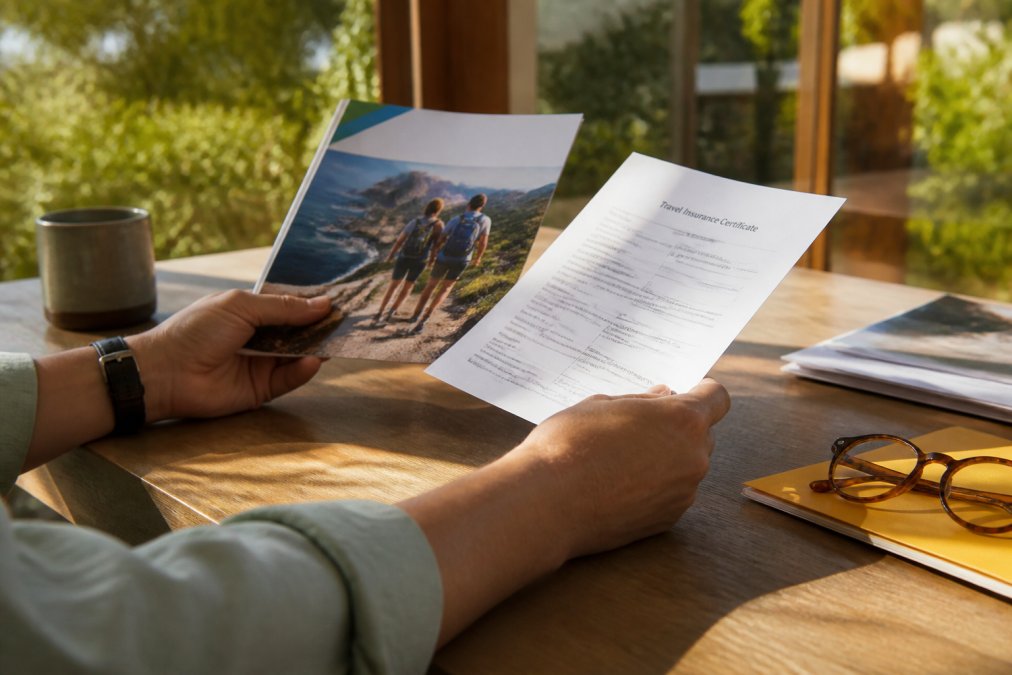
Start by visiting the official ATIA website and searching their member directory. A legitimate tour operator will have their ATIA membership number displayed prominently on their website, brochures, and booking confirmations. If they claim accreditation but don't appear in the directory, contact ATIA directly to confirm.
ATIA accreditation requires operators to demonstrate competency in safety compliance, customer protection, and operational standards (atia.com.au). An accredited operator has undergone formal assessment and commits to ongoing compliance, typically securing bonding that protects your deposit if the company fails.
Beyond ATIA, check for state-based tourism body accreditation or industry-specific certifications. For 4WD adventure tours, certifications from off-road driving associations add credibility. Ask the operator directly: "Which accreditation bodies certify your operations?" A confident operator will list these without hesitation.
Step 2: Review Public Liability Insurance and Certifications
Public liability insurance is non-negotiable. This coverage protects you if you're injured during the tour and need to claim compensation. An operator without adequate public liability insurance is betting that nothing will go wrong.
Request a copy of the operator's current public liability insurance certificate before booking. The certificate should clearly state the coverage amount, policy period, and insurer's details. For adventure tours involving 4WD vehicles, remote terrain, or water activities, coverage should typically be minimum $10 million for operators taking groups into high-risk environments (asic.gov.au).
Verify the certificate independently by contacting the insurer listed and confirming the policy is active and covers your specific activities. Some operators carry insurance that excludes certain activities or terrain types. If your tour involves rock climbing, water crossings, or other specialised activities, confirm these are explicitly covered.
Check for professional indemnity insurance and management liability coverage, which indicate comprehensive risk management. Ask whether the operator's insurance covers emergency evacuation and medical repatriation, especially for remote tours.
Certifications matter too. Look for evidence that guides hold current first aid, wilderness first responder, or advanced medical training certifications. Ask the operator to provide proof of current guide certifications.
Step 3: Assess the Tour Operator Risk Management Plan
A professional tour operator maintains a documented risk management plan that identifies hazards, assesses exposure, and outlines mitigation strategies. Request a summary or ask specific questions: "How do you identify hazards for each tour?" "What's your incident reporting process?" "How do you train guides to respond to emergencies?"
A solid risk management plan addresses hazard identification, emergency response procedures, preventative maintenance, and staff competency. For vehicle-based tours, ask about the maintenance schedule for 4WD vehicles. Regular inspections and documented servicing reduce mechanical failures in remote areas.
Ask whether the operator conducts safety audits or has third-party safety assessments. Also ask about their incident history: "Have there been any safety incidents in the past three years?" Transparency about past incidents and what was learned is more reassuring than claiming a perfect record.
Step 4: How to Verify Travel Agency Legitimacy
If booking through a travel agent, verify they're accredited with the Travel Compensation Fund (TCF) or hold membership with the Australian Federation of Travel Agents (AFTA). Check credentials on the AFTA website or TCF database. This accreditation means the agent has met professional standards and is bonded, protecting your booking and deposit.
Ask the travel agent why they've chosen this operator. Can they speak to the operator's safety record, guide quality, and customer experience with specifics? A knowledgeable agent provides added value beyond brochure reading.
For online bookings, check for HTTPS encryption, clear contact information, and a physical address. Legitimate travel platforms display accreditation prominently and provide transparent booking terms.
Step 5: Check Guide Qualifications and Safety Training
The guide is the linchpin of your tour experience. A knowledgeable, safety-conscious guide transforms a good tour into an exceptional one.
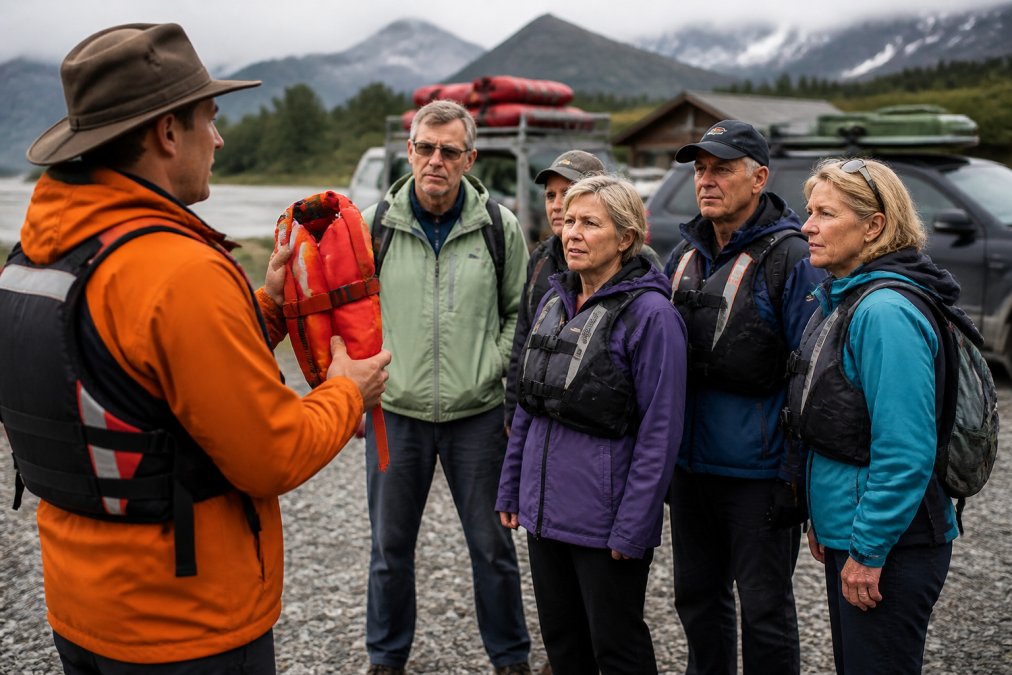
Ask the operator for guide qualifications. At minimum, guides should hold current first aid and CPR certification. For remote tours, wilderness first responder or advanced wilderness medicine training is valuable (peer-reviewed research). For water-based tours, lifeguard or water safety certifications matter.
Ask about guide experience in the specific region and whether they hold specialist certifications. Request the opportunity to speak with the guide before the tour starts. A brief conversation reveals whether they're confident, professional, and prioritise your safety.
Ask whether guides receive ongoing training and assessment. Professional operators invest in guide development, regular training updates, and performance reviews. For small-group operators like Curious Compass Collective, guides serve as both safety professionals and storytellers. The best guides maintain safety discipline while creating an engaging experience.
Step 6: Research Reviews, References and Safety Record
Online reviews provide valuable insight, but require careful interpretation. Read both positive and negative reviews, paying particular attention to comments about safety, guide professionalism, and operational reliability. Look for patterns: multiple mentions of the same safety concern is significant.
Check TripAdvisor, Google Reviews, and industry-specific sites. Cross-reference reviews across platforms to reduce the risk of fake reviews. Be sceptical of operators with no negative reviews or exclusively negative ones.
Request references from the operator directly. A legitimate operator will provide contact details of recent travellers without hesitation. Ask references: "Did the guide explain safety procedures clearly?" "Did you feel the operator prioritised safety?"
Ask the operator about their safety record and how they've responded to past incidents. Check whether the operator has been subject to regulatory complaints by contacting the relevant state tourism authority or work health and safety regulator.
Look at the operator's online presence beyond reviews. Do they regularly post about safety updates, guide training, or equipment maintenance? Active communication about safety suggests it's a genuine priority.
Questions to Ask Before You Book
Before committing, prepare specific safety questions. A professional operator will answer thoroughly and without defensiveness.
On accreditation and compliance: "Are you ATIA accredited? Can you provide your membership number?" "What other industry accreditations do you hold?" "How often are your operations audited?"
On insurance and liability: "Can you provide a copy of your public liability insurance certificate? What's your coverage amount?" "Does your insurance cover all activities included in this tour?" "Are emergency evacuation and medical repatriation covered?"
On guides and training: "What qualifications and certifications do the guides hold?" "How long has the guide been leading tours in this region?" "What ongoing training do guides receive?" "Can I speak with the guide before the tour?"
On safety procedures: "What's your emergency response protocol?" "How do you communicate with emergency services from remote areas?" "What equipment do you carry for emergencies?" "How do you assess and manage weather-related risks?"
On risk management: "Can you describe your risk management plan?" "What hazards have you identified for this specific tour?" "What mitigation strategies do you use?" "Have there been any safety incidents in the past three years?"
On experience and references: "How long has your company been operating?" "Can you provide references from recent travellers?" "What's your cancellation and refund policy?"
An operator who answers clearly and confidently is demonstrating transparency. One who becomes defensive, vague, or dismissive is signalling that safety isn't their priority.
Checking tour company safety is a practical investment in peace of mind. The few hours spent verifying accreditation, insurance, guide qualifications, and safety procedures can prevent costly mistakes and genuine harm.
Curious Compass Collective understands that mature travellers expect operators who combine expert storytelling with genuine safety discipline. Small-group tours designed for thoughtfully paced exploration require guides who are both knowledgeable and safety-conscious, supported by proper insurance, documented risk management, and ongoing training. When you've verified these elements, you can relax and focus on what matters: the authentic experience and meaningful connections that make a tour genuinely memorable.
Frequently Asked Questions
How can I verify if a tour operator is accredited in Australia?
Check whether the tour operator holds accreditation from the Australian Tourism Industry Association (ATIA). Visit the ATIA website and search their accredited operator directory. ATIA accreditation confirms the operator meets industry standards for safety compliance, duty of care, and professional conduct. Ask the tour company directly for their accreditation number, and verify it independently. Accredited operators display their credentials prominently on their website and marketing materials.
What safety certifications should I look for in a tour company?
Look for first aid certification (at least one guide per group should hold current first aid accreditation), WHS (work health and safety) training, and emergency management qualifications. For remote or 4WD tours, guides should hold relevant vehicle operation certifications. Ask for copies of these credentials before booking. Also verify that the company holds current public liability insurance and can provide proof of coverage. Competency standards and safety documentation should be available upon request.
How do I check if a travel business is registered with AFTA?
Visit the Australian Federation of Travel Agents (AFTA) website and use their member search function. Enter the company name to confirm registration. AFTA membership indicates the business meets regulatory requirements and maintains professional standards. However, not all tour operators are AFTA members; many operate independently but may hold ATIA accreditation instead. If a company isn't listed in either directory, ask them directly about their licensing and permits, and request documentation of their regulatory compliance.
What questions should I ask a tour operator about their risk management?
Ask: 'Do you have a documented emergency management plan?' 'What is your incident reporting process?' 'How do you identify and mitigate hazards specific to this tour?' 'What safety procedures are in place for remote areas?' 'Do you conduct regular safety audits?' Request a copy of their tour operator risk management plan or a summary of key safety protocols. A professional operator will provide clear, detailed answers and documentation. Their willingness to discuss these openly is a strong indicator of genuine safety culture.
This article was written using GrandRanker
Frequently Asked Questions
How can I verify if a tour operator is accredited in Australia?
Check whether the tour operator holds accreditation from the Australian Tourism Industry Association (ATIA). Visit the ATIA website and search their accredited operator directory. ATIA accreditation confirms the operator meets industry standards for safety compliance, duty of care, and professional conduct. Ask the tour company directly for their accreditation number, and verify it independently. Accredited operators display their credentials prominently on their website and marketing materials.
What safety certifications should I look for in a tour company?
Look for first aid certification (at least one guide per group should hold current first aid accreditation), WHS (work health and safety) training, and emergency management qualifications. For remote or 4WD tours, guides should hold relevant vehicle operation certifications. Ask for copies of these credentials before booking. Also verify that the company holds current public liability insurance and can provide proof of coverage. Competency standards and safety documentation should be available upon request.
How do I check if a travel business is registered with AFTA?
Visit the Australian Federation of Travel Agents (AFTA) website and use their member search function. Enter the company name to confirm registration. AFTA membership indicates the business meets regulatory requirements and maintains professional standards. However, not all tour operators are AFTA members; many operate independently but may hold ATIA accreditation instead. If a company isn't listed in either directory, ask them directly about their licensing and permits, and request documentation of their regulatory compliance.
What questions should I ask a tour operator about their risk management?
Ask: 'Do you have a documented emergency management plan?' 'What is your incident reporting process?' 'How do you identify and mitigate hazards specific to this tour?' 'What safety procedures are in place for remote areas?' 'Do you conduct regular safety audits?' Request a copy of their tour operator risk management plan or a summary of key safety protocols. A professional operator will provide clear, detailed answers and documentation. Their willingness to discuss these openly is a strong indicator of genuine safety culture.