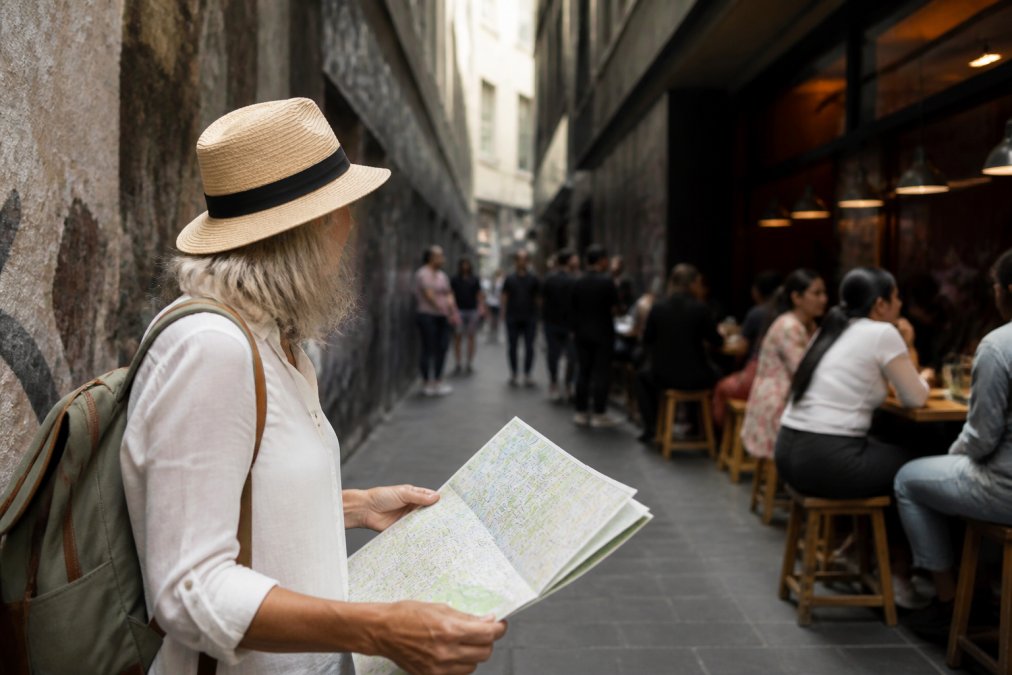
 how-to
How to Avoid Tourist Traps in Australia: A Practical Guide
Table of Contents
- Common Tourist Scams to Watch Out For
- How to Identify and Avoid Tourist Hotspots
- Private Guided Walking Tours for Older Adults
- Finding Authentic Travel Experiences Australia Beyond the Crowds
- Avoiding Crowds at Major Australian Attractions
- Safety Tips and Travel Insurance for Smart Travellers
- Travel Like a Local: Insider Tips and Cultural Immersion
- Conclusion
Last Updated: August 27, 2026
Common Tourist Scams to Watch Out For
Tourist traps and scams are a reality in most travel destinations, but understanding the most common ones puts you in control. At Curious Compass Collective, we've learned that awareness is your best defence.

The most effective scam prevention strategy isn't paranoia, it's knowing the specific mechanics of how tourist traps operate. Once you understand the pattern, you'll spot them instantly.
Taxi and Rideshare Overcharging
Taxi fare inflation is one of the oldest tourist traps in the book. Unmetered cabs or drivers who claim their meter is "broken" are classic red flags. Always use official taxi ranks or pre-booked rideshare apps that display the fare upfront. Ask the concierge for the typical fare to your destination first, this single piece of information becomes your negotiating anchor. Many drivers rely on tourists not knowing the standard rate; once they realise you do, overcharging becomes pointless.
Rideshare apps like Uber operate with transparent pricing, which is why they've become popular with travellers seeking to avoid fare disputes. However, surge pricing during peak hours can inflate costs significantly, so timing your journey off-peak saves money and frustration.
Street Performer and Photography Scams
Street performers, musicians, and artists often operate on an unspoken agreement that you'll pay after the service. The prevention tactic is straightforward: ask the price before engaging. A simple "How much?" before posing for a photo eliminates surprise charges. If a street performer hasn't quoted a price upfront, you're under no obligation to pay beyond what feels reasonable.
Photography scams sometimes involve someone offering to take your photo, then disappearing with your camera or phone. Keep your devices close, and if a stranger offers to photograph your group, hand them your phone only after establishing clear communication.
ATM and Digital Security Threats
ATM skimming, where criminals install devices to capture card details, is less common in major cities but still occurs (fbi.gov). Use ATMs inside banks or well-lit, busy locations rather than isolated street machines. Cover the keypad when entering your PIN, and inspect the card slot for anything that looks loose or unusual.
Digital security poses a growing threat. Public Wi-Fi networks in cafes and airports are prime hunting grounds for data thieves. Avoid accessing banking apps or entering sensitive information on public networks. A VPN (virtual private network) adds a layer of protection if you must use public Wi-Fi, though it's safest to wait until you're back at your accommodation.
How to Identify and Avoid Tourist Hotspots
Tourist hotspots aren't inherently bad, they exist because the attractions are genuinely worth seeing. The issue is that peak-season crowds transform experiences into conveyor-belt sightseeing, where you're herded through with thousands of others, paying inflated prices at every turn.
Identifying a tourist trap versus a legitimate attraction comes down to asking: "Am I here for the experience, or am I here because the guidebook says I should be?" The first question leads to authentic memories. The second often leads to crowded queues and overpriced meals.
Peak Season and Crowd Density
Peak season varies by region, but generally runs December to February in the south and May to September in the north. During these months, major attractions see visitor numbers that fundamentally change the experience. The density of crowds directly correlates with scam activity, as pickpockets and distraction artists thrive where they can operate without detection.
Visiting outside peak season isn't always possible, but timing your visits to off-peak days within the season helps. Weekday mornings typically see fewer visitors than weekend afternoons. Starting your day early, before tour groups arrive, often gives you 1-2 hours of relative quiet at major sites.
Overpriced Dining in Tourist Zones
Restaurants located directly adjacent to major attractions price accordingly, often 30-50% above what the same meal costs two streets over (peer-reviewed research). Walk away from the main tourist zone and look for restaurants where locals eat, busy lunch spots, family-run places without English menus, establishments without photos of dishes in the window. These typically offer better value and authentic food that reflects local culture.
Eating where locals eat becomes one of the favourite parts of the trip for many travellers. You'll discover regional specialties you wouldn't find in guidebooks and eat better for less money.
Private Guided Walking Tours for Older Adults
For mature travellers seeking to avoid tourist traps entirely, private guided walking tours offer a fundamentally different experience. Rather than navigating crowded attractions alone or joining massive group tours, you move through destinations with a knowledgeable local guide who understands authentic travel.
A good guide knows which attractions are worth the crowds and which can be skipped. They know which restaurants serve locals and understand the cultural context that transforms a site from a photo backdrop into a meaningful place.
Curious Compass Collective specialises in small-group and private guided experiences designed specifically for mature travellers. Rather than rushing through a checklist of landmarks, these tours move at a thoughtful pace, with time for conversation, questions, and genuine cultural immersion. A private guide becomes a buffer between you and tourist traps, negotiating fairly on your behalf and steering you toward authentic experiences. This peace of mind alone justifies the investment for many travellers.
Finding Authentic Travel Experiences Australia Beyond the Crowds
Authentic experiences aren't hidden, they're just not advertised in the same way as major attractions. The difference between a tourist trap and an authentic experience often comes down to whether the place exists primarily for tourists or primarily for locals, with tourists as welcome guests.
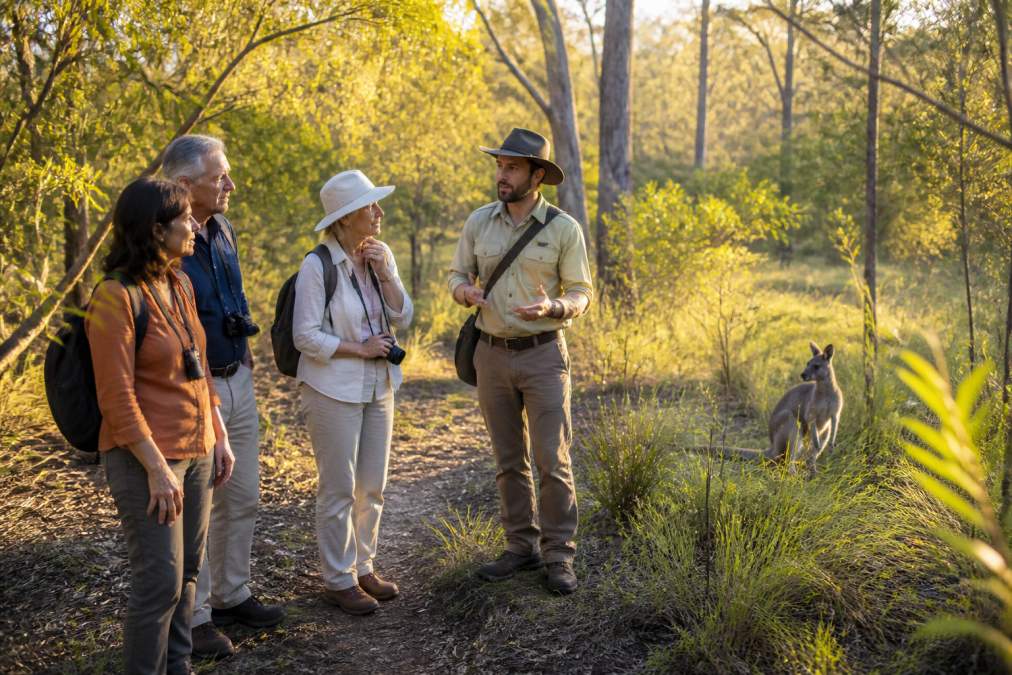
Seeking authentic travel means asking different questions before you visit a place. Not "Is this famous?" but "Do locals actually spend time here?" Not "Will this make a good photo?" but "Will this deepen my understanding of the place and its people?"
Regional vs. City-Specific Traps
City tourist traps concentrate in predictable locations: harbourside precincts, heritage districts, major shopping areas. These are designed for high-volume tourism with no incentive to build loyalty. Regional attractions operate differently. A small regional town depends on repeat visitors and word-of-mouth recommendations. A family-run winery, heritage property, or local museum typically prices fairly and treats visitors as individuals rather than transaction units.
Regional tourism often aligns your interests with the business's interests, you both benefit from you having a genuine, positive experience.
Budget-Friendly Alternatives to Famous Landmarks
Every major landmark has a less-famous alternative that offers similar appeal at a fraction of the cost and crowds. Rather than visiting the most famous viewpoint, ask locals for their favourite lookout. Rather than the most popular beach, ask where locals actually swim. You'll often find the alternative is superior in every way except fame.
Budget-friendly alternatives also include free or low-cost experiences: walking trails, public gardens, street markets, community events. These often provide richer cultural immersion than paid attractions because they're designed for locals, not tourists.
Avoiding Crowds at Major Australian Attractions
If you do want to visit major attractions, strategic timing transforms the experience. Avoiding crowds isn't about missing out; it's about experiencing those places as they were meant to be experienced rather than as crowded queues.
Timing Your Visits: Seasonal and Daily Strategies
Weekday mornings before 10 a.m. typically see 40-60% fewer visitors than weekend afternoons (peer-reviewed research). Rainy days see reduced crowds. The first week of a school term sees fewer families than school holidays. Understanding these patterns lets you plan strategically. If you're flexible with dates, timing your visit for a weekday morning in a shoulder season can reduce crowds by 70% or more compared to peak-season weekends.
Many attractions offer early-entry or late-entry options for a premium price. For mature travellers, early entry is often worth the cost, you get the site nearly to yourself, avoid the heat of midday, and finish before fatigue sets in.
Hidden Gems and Off the Beaten Path Alternatives
Hidden gems aren't actually hidden, they're just less promoted. Local tourism boards, regional visitor centres, and conversations with locals reveal attractions that guidebooks overlook. Off the beaten path often means a 15-minute walk from the main tourist zone or a short drive to a nearby region. The accessibility barrier is low, but the psychological barrier keeps crowds concentrated in predictable locations.
Mature travellers often find that off-the-beaten-path experiences align perfectly with their preferences. These places move at a slower pace, encourage conversation and observation, and reward curiosity over speed.
Safety Tips and Travel Insurance for Smart Travellers
Avoiding tourist traps is one aspect of safe travel; having comprehensive travel insurance and understanding safety fundamentals is another. Travel insurance protects against unexpected medical costs, trip cancellations, and lost belongings.
Comprehensive travel insurance should cover medical emergencies, evacuation, trip cancellation, and lost or stolen items. For mature travellers, ensure the policy covers pre-existing medical conditions and doesn't have age-related exclusions. Beyond insurance, basic safety practices apply: keep copies of important documents separate from originals, register with your embassy before travelling, share your itinerary with someone at home, and maintain regular contact with family.
Trusting your instincts matters. If a situation feels unsafe or uncomfortable, remove yourself. Tourist traps thrive on pressure and urgency; legitimate experiences allow you time to think and decide.
Travel Like a Local: Insider Tips and Cultural Immersion
The most effective way to avoid tourist traps is to stop thinking like a tourist. This means adopting the mindset and habits of someone who lives in a place rather than someone visiting a checklist.
Locals navigate their cities using public transport, eat where locals eat, shop where locals shop, and spend time in places that serve community function rather than tourism function. Learning a few phrases in the local language, even just "hello," "thank you," and "excuse me," signals respect and often shifts how locals interact with you. Engage with locals respectfully, ask for recommendations, and show genuine interest in the place beyond its Instagram appeal. These conversations often become the most memorable part of your trip.
Navigating tourist destinations successfully means understanding that tourist traps aren't inevitable, they're predictable patterns you can recognise and avoid. The key is shifting from passive consumption to active engagement with the places you visit.
If you're seeking a travel experience that handles this complexity for you, Curious Compass Collective designs small-group tours specifically for mature travellers who want authentic experiences without the stress of navigating crowded tourist zones. Our expert guides know how to access genuine local culture, time visits to avoid peak crowds, and provide the kind of thoughtful pacing that transforms travel from exhausting to enriching. Explore our tour options to discover how we've helped travellers experience destinations authentically and safely.
Frequently Asked Questions
Q: What are the most common tourist scams to watch out for in Australia?
A: Taxi overcharging remains prevalent, particularly when drivers bypass the metre or quote inflated fares to visitors unfamiliar with local rates. Street performers and unofficial photographers often pressure tourists for excessive donations or payment. ATM skimming at tourist-heavy locations is a genuine risk. Always use official taxis, rideshare apps with transparent pricing, and ATMs inside banks or shopping centres. Digital security threats on public Wi-Fi are equally serious, avoid accessing banking information on unsecured networks.
Q: How can I find authentic travel experiences and avoid tourist traps?
A: Seek out private guided walking tours led by locals who understand regional culture and can direct you away from overpriced tourist zones. Research dining recommendations from local food blogs and community forums rather than relying on hotel concierges. Visit attractions during shoulder seasons (April-May, September-October) when crowds thin and prices drop. Engage with small business owners, artisans, and community members directly, they offer genuine insight into local customs and hidden gems that packaged itineraries miss entirely.
Q: What's the best way to avoid crowds at major Australian attractions?
A: Timing is critical. Visit early morning (before 9 am) or late afternoon (after 3 pm) to bypass peak tourist density. Avoid school holidays and public holidays when possible. Consider lesser-known alternatives: instead of the Sydney Opera House steps, explore quieter coastal walks; instead of Uluru's main viewing areas, book guided experiences that access less-trafficked vantage points. Shoulder seasons (April-May, September-October) offer substantially fewer crowds and better value. Small-group, expert-led tours naturally distribute travellers away from tourist hotspots.
Q: Are private guided walking tours suitable for older adults, and how do I choose one?
A: Yes, private guided walking tours designed for mature travellers prioritise comfort, pacing, and safety. Look for operators who offer thoughtfully paced itineraries with rest stops, accessible terrain options, and expert guides trained in remote area safety. Verify certifications, insurance, and references before booking. Ask about vehicle comfort (if 4WD is involved), daily mileage, and activity intensity. Reputable operators will customise routes based on fitness levels and interests, ensuring you experience authentic culture without physical strain or rushed sightseeing.
This article was written using GrandRanker
Frequently Asked Questions
Q: What are the most common tourist scams to watch out for in Australia?
A: Taxi overcharging remains prevalent, particularly when drivers bypass the metre or quote inflated fares to visitors unfamiliar with local rates. Street performers and unofficial photographers often pressure tourists for excessive donations or payment. ATM skimming at tourist-heavy locations is a genuine risk. Always use official taxis, rideshare apps with transparent pricing, and ATMs inside banks or shopping centres. Digital security threats on public Wi-Fi are equally serious—avoid accessing banking information on unsecured networks.
Q: How can I find authentic travel experiences and avoid tourist traps?
A: Seek out private guided walking tours led by locals who understand regional culture and can direct you away from overpriced tourist zones. Research dining recommendations from local food blogs and community forums rather than relying on hotel concierges. Visit attractions during shoulder seasons (April–May, September–October) when crowds thin and prices drop. Engage with small business owners, artisans, and community members directly—they offer genuine insight into local customs and hidden gems that packaged itineraries miss entirely.
Q: What's the best way to avoid crowds at major Australian attractions?
A: Timing is critical. Visit early morning (before 9 am) or late afternoon (after 3 pm) to bypass peak tourist density. Avoid school holidays and public holidays when possible. Consider lesser-known alternatives: instead of the Sydney Opera House steps, explore quieter coastal walks; instead of Uluru's main viewing areas, book guided experiences that access less-trafficked vantage points. Shoulder seasons (April–May, September–October) offer substantially fewer crowds and better value. Small-group, expert-led tours naturally distribute travellers away from tourist hotspots.
Q: Are private guided walking tours suitable for older adults, and how do I choose one?
A: Yes—private guided walking tours designed for mature travellers prioritise comfort, pacing, and safety. Look for operators who offer thoughtfully paced itineraries with rest stops, accessible terrain options, and expert guides trained in remote area safety. Verify certifications, insurance, and references before booking. Ask about vehicle comfort (if 4WD is involved), daily mileage, and activity intensity. Reputable operators will customise routes based on fitness levels and interests, ensuring you experience authentic culture without physical strain or rushed sightseeing.