 ultimate-guide
Best Time to Visit the Kimberley: A 2026 Season Guide
Table of Contents
- How the Dry and Wet Seasons Shape a Kimberley Trip
- Best Months for Kimberley Cruises
- Kimberley Road Trip Itinerary Duration: Timing Your Route
- Kimberley Travel Tips for Seniors
- Avoiding Peak Season Crowds and Insects
- When to Visit the Kimberley for Waterfalls, Wildlife and Wildflowers
- Frequently Asked Questions
Last Updated: September 16, 2026
How the Dry and Wet Seasons Shape a Kimberley Trip
The best time to visit the Kimberley runs from April to September, when the dry season delivers clear roads, accessible gorges and warm, sunny days. This guide from Curious Compass Collective breaks down what each season actually means for your trip.
The Kimberley splits its year into two distinct halves. The dry season brings steady weather and full access. The wet season, also called the monsoon, transforms the landscape but closes most of it to travellers. Understanding that split is the single most useful planning decision you'll make.
The Dry Season: April to September
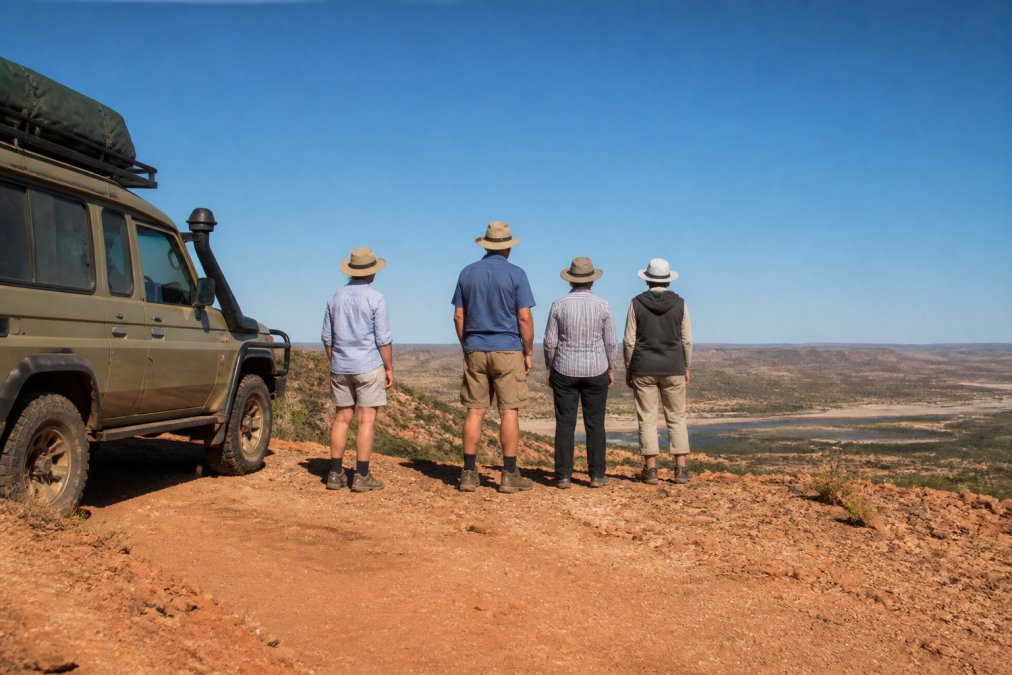
April through September is peak travel window for the region. Daytime temperatures sit in the high twenties to mid thirties, humidity drops, and the Gibb River Road and most gorge access points open to 4WD traffic.
Early April often still carries waterfalls from the wet, while September brings wildflower season and cooler evenings. It's the most reliable stretch for outdoor adventure and camping conditions.
The Wet Season: October to March
The wet season arrives with monsoonal rain, steamy temperatures and heavy humidity levels. Many roads close, including large sections of the Gibb River Road, and remote wilderness access becomes limited or impossible.
That said, coastal cruises still operate in the early wet months, and the flooded falls and green landscapes are spectacular from the air. It's a season for a different kind of trip, not a lesser one.
Best Months for Kimberley Cruises
May to August is the core window for coastal cruises along the Kimberley coast, but the months inside that window are not interchangeable. What changes between them is sea state, waterfall flow, tide access and berth availability, and those four factors should drive your booking more than the calendar itself.
May opens the season with the strongest waterfall flow of the dry months. Wet season runoff is still feeding the coastal falls, so the twin falls at King George River and the cascades around the Hunter River run hard. Seas can still carry residual swell from the tail of the wet, so early-season itineraries sometimes adjust anchorages. Berths are easier to secure than in June or July.
June and July sit at the heart of the window. The trade winds settle, seas flatten, humidity is low and daytime temperatures are comfortable. This is when the Horizontal Falls experience is at its most reliable, because tidal range and vessel scheduling align most predictably. The trade-off is demand: these are the two months that sell out first, often 9 to 12 months ahead for the better-known expedition vessels.
August is the quiet achiever. Waterfalls are thinning but still running, seas remain calm, and the whale migration along the coast is at its most visible. If you want the cruise conditions of July with slightly softer pricing and marginally better berth availability, August is the month most returning travellers pick.
September remains workable. Coastal falls are largely done, but the trade winds are still favourable and the light is excellent for photography. Late September starts to carry early build-up humidity, and the first wet-season squalls can appear in the far north.
October is the edge case. Some operators run early-season departures, but you are gambling on build-up conditions, higher humidity, more insect pressure and the risk of weather disruptions. Only book October if the itinerary is specifically designed around it.
A practical rule: if waterfalls are the priority, aim for May or early June. If calm seas and whale sightings matter more, aim for August. If you want the widest choice of vessels and departure dates, book the moment the following season's schedule is released rather than waiting for a discount that rarely comes.
Bureau of Meteorology seasonal outlooks and marine forecasts is worth checking in the weeks before departure, particularly for early-May and late-September sailings where conditions can shift.
Kimberley Road Trip Itinerary Duration: Timing Your Route
A Kimberley road trip itinerary duration of 10 to 14 days is the practical minimum for the Gibb River Road and its major gorges. Anything shorter and you will spend more time driving than experiencing. But duration is only half the planning problem, the other half is knowing which tracks and gorges are actually open in the weeks you plan to travel, because that changes the route you can realistically drive.
Here is how route timing typically breaks down across the dry season:
| Route | Ideal Months | Suggested Duration | Key Constraint |
|---|---|---|---|
| Gibb River Road | May to September | 10-14 days | Road closures in wet |
| Coastal cruise | May to August | 7-14 days | Berth availability |
| Broome to Kununurra | June to August | 12-16 days | 4WD access, fuel gaps |
| Waterfall season loop | April to May | 7-10 days | Early access uncertainty |
The opening sequence matters more than the month. The Gibb River Road itself is usually graded and reopened between late April and mid-May, but individual access tracks off it open on their own schedule. The Kalumburu Road and the Mitchell Plateau track typically open later than the main road and can close again after unseasonal rain. The Bungle Bungles access road is sealed for part of its length but still subject to closure after heavy falls. Windjana Gorge and Tunnel Creek usually open earliest; El Questro and Home Valley follow; the more remote gorges on the plateau come last.
The closing sequence is the mirror image. As the build-up approaches, the plateau tracks close first, then the Kalumburu Road, then the Gibb itself if early wet-season rain arrives. A trip planned for the last week of September can lose a plateau detour with a single storm, so build slack into the itinerary rather than stacking gorge visits back to back.
Fuel and distance are the second constraint. Between Derby and Kununurra, fuel stops are spaced far apart, and a single gorge detour can add half a day. Plan your refuelling around the known stops rather than assuming you can top up wherever you stop for the night. Carry more water than you think you need, and treat the 4WD requirement as non-negotiable on the unsealed sections.
Shoulder-season trade-off. April and May give you the best waterfall flow and the fewest crowds, but you accept that some tracks may still be closed. August and September give you the most reliable access but thinner falls and more dust. There is no month that wins on every dimension, pick the one that matches your priority and plan around its weakness.
Main Roads Western Australia travel advice publishes current road conditions, and checking it before you commit to a route saves real headaches.
Kimberley Travel Tips for Seniors
Comfort in remote country comes down to pacing, vehicle choice and guided support. Purpose-designed 4WD vehicles with proper suspension make rough corrugations far more manageable, and a thoughtfully paced itinerary means you're not exhausted by day three.
For mature travellers, the practical considerations are straightforward:
- Choose small-group tours where guides handle logistics, driving and safety
- Prioritise accommodated tours over camping if comfort matters most
- Travel in the shoulder months of April and October for cooler conditions
- Confirm accessibility for specific activities before booking
Avoiding Peak Season Crowds and Insects
June and July draw the biggest tourist crowds, which means higher prices and tighter accommodation availability. Shifting to the shoulder season of April, May, August or September eases both.
When to Visit the Kimberley for Waterfalls, Wildlife and Wildflowers
April and May deliver waterfall season highlights, with falls still flowing from wet season rain and roads reopening. This is the window photographers chase.
Frequently Asked Questions
What is the difference between the wet season and the dry season in the Kimberley?
The dry season runs roughly April to September, with sunny skies, lower humidity and daytime temperatures around 30°C. The wet season spans October to March, bringing monsoonal rain, high humidity and steamy temperatures that can close roads and restrict gorge access. Most tours and cruises operate in the dry season, when waterfalls still flow early on and 4WD access is reliable.
Are there specific months when Kimberley road access is restricted?
Yes. The Gibb River Road and many gorge access tracks typically close during the wet season, often from December through March, depending on rainfall. Even in the shoulder months, road closures can occur after unseasonal rain. Tour operators monitor conditions daily, and joining a guided trip removes the guesswork about which routes are open during your travel window.
What should mature travellers expect regarding temperatures during the shoulder season?
April and October are the classic shoulder months. Daytime temperatures sit in the low-to-mid 30s, humidity is climbing or easing, and nights are warm. Early April can still see some road closures from late wet season rain, while October heats up before the build-up. Both months suit travellers who prefer fewer crowds and can handle warmer conditions.
What are the main advantages of small-group tours during the peak season?
Peak season, roughly June to August, offers the most reliable weather and road access, but campsites and cruises book out months ahead. Small-group tours secure accommodation and permits early, avoid the large coach crowds at popular gorges, and let guides adjust timing to visit sites before or after the busiest hours. That flexibility makes a busy season feel far less crowded.