 listicle
Best Small Group Pacific Tours: A 2026 Guide
Table of Contents
- Why Small Group Pacific Tours Stand Out
- Quick Comparison: Top Small Group Tour Operators in Australia
- Curious Compass Collective: Thoughtfully Paced Outback and Island Adventures
- Coral Expeditions: Small-Ship Expedition Cruising to Remote Destinations
- Aurora Expeditions: Active Discovery in Polar and Oceania Regions
- Bunnik Tours: Cultural Immersion for Mature Travellers
- Intrepid Travel: Affordable Small-Group Adventures with Local Guides
- Peregrine Adventures (Intrepid Premium): Luxury Comfort with Expert Curation
- Benefits of Small Group Travel for Seniors and Mature Explorers
- How to Choose a Pacific Island Tour That Fits Your Needs
- Sustainable and Regenerative Travel Practices in Pacific Tourism
- Solo Traveller Logistics and Considerations
- Packing Essentials for Pacific Climate Adventures
- Conclusion
Last Updated: August 29, 2026
Why Small Group Pacific Tours Stand Out
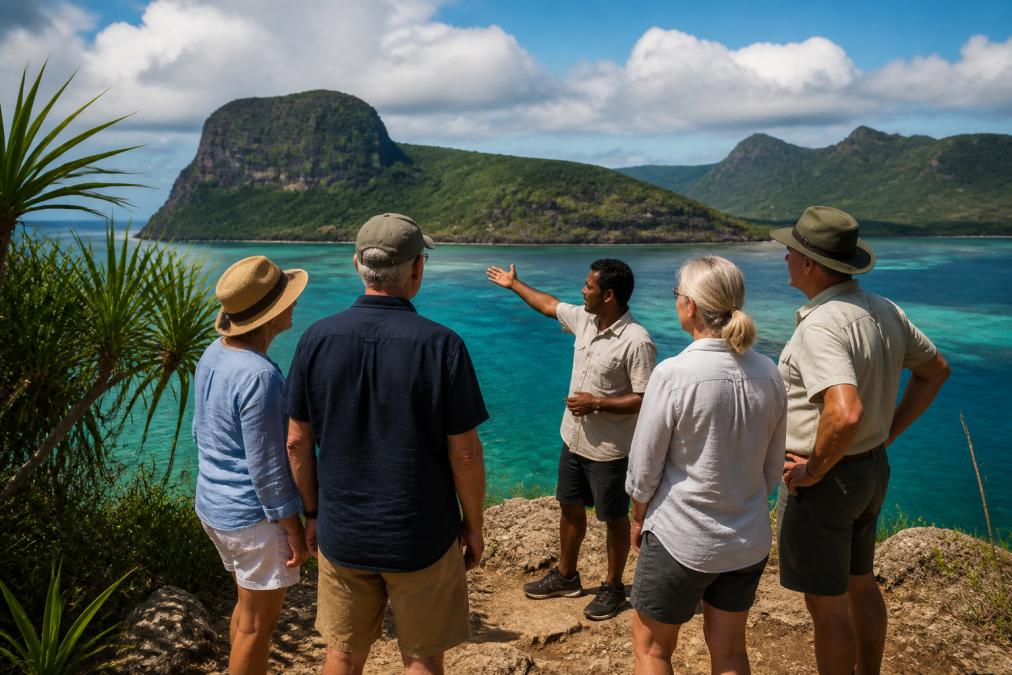
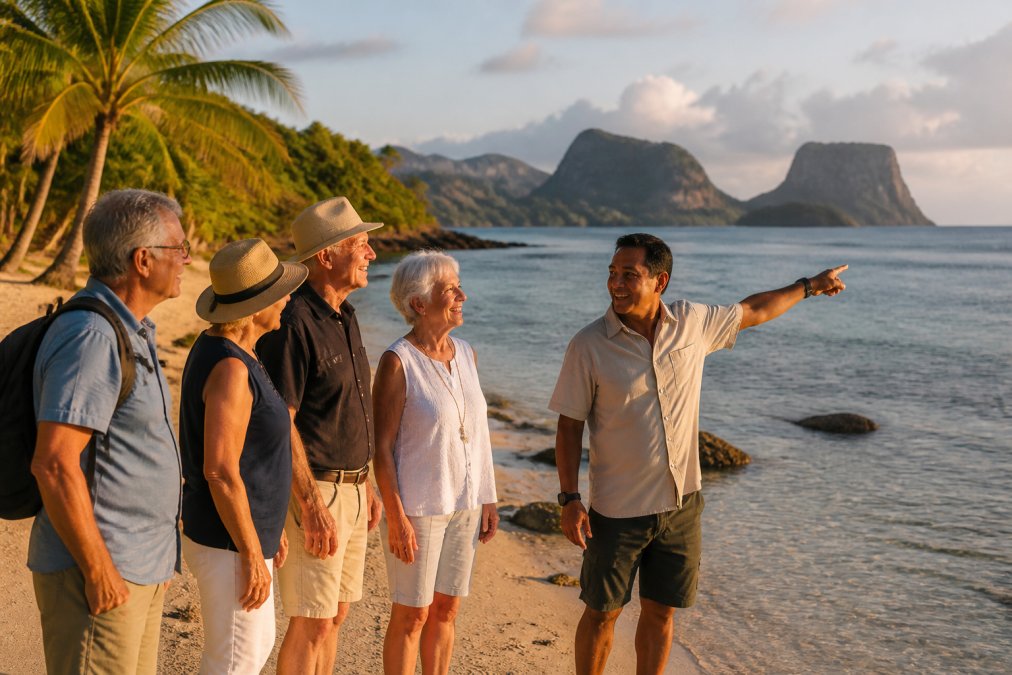
Small group pacific tours deliver genuine connection without the chaos. With 10-16 travellers instead of 200, you move at a pace that lets you absorb what you're seeing, speak with locals who aren't overwhelmed, and build real friendships with fellow travellers. A small group can navigate narrow island paths, stop spontaneously when something catches the guide's eye, and spend unhurried time at cultural sites. You're not racing through a checklist, you're living in the moment.
For mature travellers and anyone seeking authentic experiences, small group structure is non-negotiable. It's the difference between visiting a place and understanding it.
Quick Comparison: Top Small Group Tour Operators in Australia
| Operator | Group Size | Specialisation | Best For | Starting Point |
|---|---|---|---|---|
| Curious Compass Collective | 8-14 | Outback, islands, cultural immersion | Mature explorers, bucket-list seekers | Thoughtfully paced itineraries |
| Coral Expeditions | 72-120 | Small-ship expedition cruising | Remote island exploration, cruising enthusiasts | From A$890/day |
| Aurora Expeditions | 50-100 | Active expeditions (polar, Oceania) | Adventure-focused travellers | From A$813/day |
| Bunnik Tours | 12-20 | Cultural immersion, off-the-beaten-path | Mature travellers (45-65) | Includes airfares |
| Intrepid Travel | 10-16 | Affordable adventures, local guides | Budget-conscious, solo travellers | From A$242/day |
| Peregrine Adventures | 9-16 | Premium comfort, curated experiences | Luxury seekers, active seniors | From A$662/day |
Curious Compass Collective: Thoughtfully Paced Outback and Island Adventures
Curious Compass Collective leads this list because it's built for what mature travellers want: comfort without compromise, storytelling over rushing, and genuine connection to place and people. Every journey is curated for pace, you won't be herded through five activities before lunch. Instead, you get unhurried mornings, meaningful conversations with guides, and freedom to absorb what you're experiencing. Their 4WD vehicles are purpose-designed for outback and island terrain, offering genuine comfort on rough roads. Guests consistently describe tours as the "trip of a lifetime," particularly the frontier tours and Nulla Nulla Safari. For anyone concerned about pacing, safety, or authenticity, Curious Compass Collective removes the guesswork.
Coral Expeditions: Small-Ship Expedition Cruising to Remote Destinations
Coral Expeditions operates Australia's pioneering small-ship expedition fleet with vessels carrying 72-120 guests to locations larger ships cannot reach. Their focus is remote Pacific islands, Papua New Guinea, and pristine waters where authentic exploration matters. Pricing starts from A$890 per day, reflecting the expedition model: access to genuinely remote destinations and expert guides specialising in natural history and cultural immersion. Onboard lectures, snorkelling, sea kayaking, and scuba diving are included. Vessels are Australian-flagged and purpose-built for shallow-draft exploration.
Best for: Cruising enthusiasts who want remote island access without the mega-ship experience.
Aurora Expeditions: Active Discovery in Polar and Oceania Regions
Aurora Expeditions positions itself for active travellers wanting expedition-style adventures with purpose-built ships and comprehensive activity programs. Pricing from A$813 per day includes trekking, climbing, kayaking, snorkelling, and scuba diving across polar regions and Oceania. Their citizen science programs add educational depth, you're contributing to research, not just observing nature.
Best for: Fit, curious travellers aged 40+ comfortable with physical demands.
Bunnik Tours: Cultural Immersion for Mature Travellers
Bunnik Tours explicitly targets the 45-65 demographic with small groups (maximum 20, often 12-14) focused on cultural immersion. Most tours include international airfares, simplifying logistics for Australian residents. The philosophy mirrors Curious Compass Collective's approach: off-the-beaten-path destinations, time for genuine local connection, and unhurried pace.
Best for: Mature travellers seeking cultural depth with included airfares. Pricing requires direct contact.
Intrepid Travel: Affordable Small-Group Adventures with Local Guides
Intrepid Travel operates globally with tiers starting from A$242 per day. Groups average 10-12 travellers with local guides leading experiences focused on authentic interaction. Solo travellers benefit from no mandatory single supplements, Intrepid pairs solo travellers with same-gender roommates.
Best for: Budget-focused adventurers and solo travellers prioritising authentic local connection.
Peregrine Adventures (Intrepid Premium): Luxury Comfort with Expert Curation
Peregrine Adventures bridges budget and luxury with smaller groups (9-16 travellers, average 9-10), 4-star accommodation, and most meals plus airport transfers included. Pricing averages A$662 per day. Hand-picked hotels, private transport, and expert local guides create premium experience at lower cost than full-luxury operators.
Best for: Mature travellers aged 40-60 seeking luxury comfort with small group intimacy.
Benefits of Small Group Travel for Seniors and Mature Explorers
Pace and Pacing Flexibility
The biggest complaint about traditional group tours is relentless rushing. Small groups operate differently. With 10-14 people instead of 50, guides can linger where it matters. If a cultural site captivates your group, you stay longer. If someone needs rest, the group adjusts. This flexibility is what mature travellers value most.
Safety and Personalized Attention
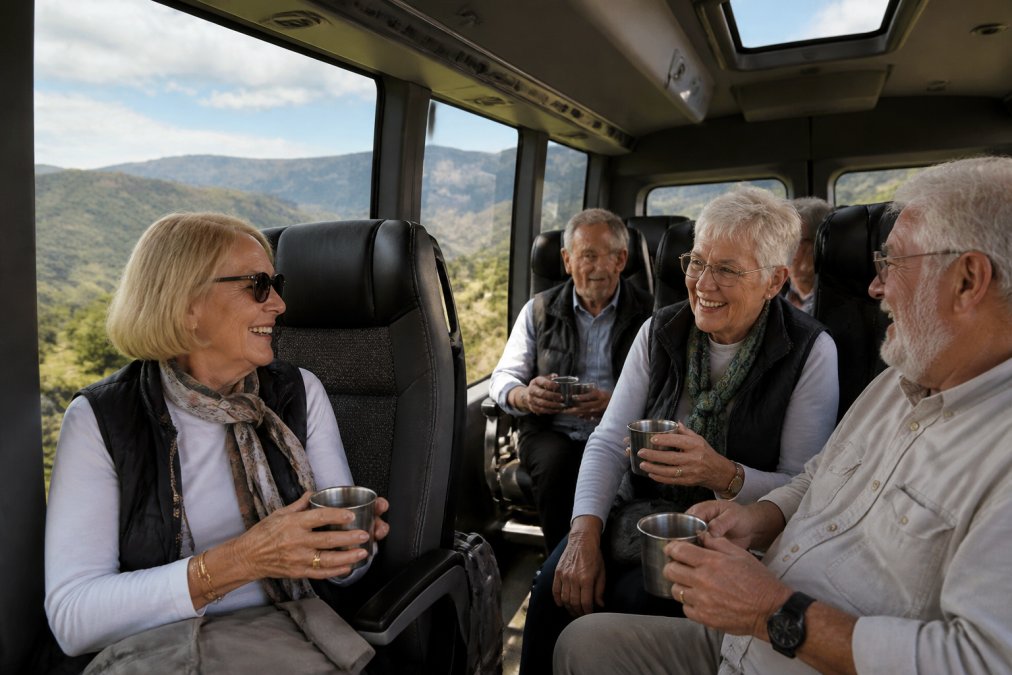
Guides in small groups know every traveller by name and monitor physical comfort in real time. If someone's struggling with terrain, the guide adjusts the route. If medication needs attention, support is immediate. Purpose-designed 4WD vehicles and small ships are engineered for comfort on challenging terrain with ergonomic seating and climate control.
Authentic Local Connection
Large groups overwhelm local communities and create barriers to genuine interaction. Small groups allow real conversation. A local guide can introduce your group to family members, invite you into actual homes or workspaces, and facilitate reciprocal exchanges rather than extractive observation.
Friendship and Community
Travelling with 12 people instead of 200 creates genuine friendships. You share meals, stories, and challenges. Many small group travellers report that friendships formed on tours last years afterward.
How to Choose a Pacific Island Tour That Fits Your Needs
Selecting the right tour requires honest assessment of three factors: your physical capacity, your travel style, and what "authentic" means to you.
Assess Your Fitness Level and Physical Comfort
Be honest about what your body can handle.
Light activity tours involve minimal walking (under 2 kilometres per day), mostly coach-based exploration, and accessible accommodation. These suit travellers with mobility concerns or those preferring relaxation. Coral Expeditions and Bunnik Tours typically offer light itineraries.
Moderate activity involves 3-5 kilometres of daily walking, some uneven terrain, and occasional stairs. Most mature travellers manage this comfortably with thoughtful pacing. Curious Compass Collective specialises in moderate-paced itineraries designed so you arrive refreshed.
Active expeditions involve 5-10+ kilometres of daily walking, climbing, kayaking, or other physical engagement. These suit fit, adventurous travellers comfortable with physical challenge. Aurora Expeditions and Boundless Journeys focus on active discovery.
The critical question: What activities will you actually enjoy? If hiking exhausts you, don't book an "adventure" tour just because it sounds impressive.
Define Your Travel Style and Pace Preferences
Rapid-fire itineraries visit 5-7 destinations in 10-14 days. You're constantly moving but never fully settling anywhere. These suit travellers wanting breadth.
Moderate-paced itineraries visit 3-4 destinations over 10-14 days with 2-3 nights per location. You get genuine time to know each place without exhaustion. Most mature travellers prefer this rhythm.
Slow-travel itineraries spend 4-7 nights in one location, exploring deeply. You unpack once and experience places as residents rather than visitors. These appeal to cultural immersion seekers.
Check Guide Qualifications and Safety Standards
Your guide makes or breaks the experience. Ask directly: What certifications do guides hold? How long have guides worked in this region? What's the guide-to-traveller ratio? What's the emergency protocol?
Request references from past travellers, particularly those at your age and fitness level. Don't rely on company testimonials.
Evaluate Authenticity and Local Community Connection
Ask these questions: Are local guides actually from the communities you're visiting? Do tour proceeds benefit local communities? Are itineraries designed around local rhythms and seasons? Does the operator maintain ongoing relationships with communities?
Curious Compass Collective's model emphasises locally-led experiences and expert storytelling from guides with deep regional knowledge.
Sustainable and Regenerative Travel Practices in Pacific Tourism
Pacific islands face real environmental and cultural pressures from tourism. Choosing operators committed to regenerative practices matters.
Environmental Responsibility
Look for operators using fuel-efficient vessels, minimising single-use plastics, and supporting marine conservation. Small ships have lower per-person environmental impact than mega-cruises. Ask: Does the operator have formal sustainability commitments? Are they measured and reported? Specific commitments (carbon offsetting, plastic reduction targets, marine protection funding) indicate genuine effort.
Cultural Preservation and Fair Benefit
Regenerative tourism actively benefits local communities. This means guides are fairly paid, local artisans receive fair prices for crafts, and communities have genuine say in tourism activities. Small group operators have structural advantages here, fewer travellers means less cultural disruption and meaningful interaction rather than extractive observation.
Solo Traveller Logistics and Considerations
Single Supplement Costs
Most tours charge single supplements, typically 20-50% extra. Some operators, including Intrepid Travel, offer "guaranteed solo traveller" deals where you're paired with a same-gender roommate at no supplement. Others, like Coral Expeditions, offer solo deals on selected departures.
Group Dynamics for Solo Travellers
Solo travellers often worry about fitting into established groups. Small group operators typically attract independent-minded people comfortable with solo travel, so integration is usually smooth. Many solo travellers report that group tours are where they meet lifelong friends.
Safety and Logistics
Solo travel to remote Pacific islands requires realistic planning. Mobile coverage may be limited, emergency services are distant, and travel insurance must cover evacuation. Choose operators with strong safety protocols and clear communication systems.
Packing Essentials for Pacific Climate Adventures
Clothing for Tropical Heat and Humidity
Lightweight, breathable fabrics (merino wool, moisture-wicking synthetics) outperform cotton. Pack layers, indoor air-conditioning can be aggressive. Quick-dry clothing is essential if you're kayaking, snorkelling, or navigating wet terrain.
Sun and Insect Protection
High SPF sunscreen (SPF 50+) is non-negotiable. Reapply frequently after water activities. Insect repellent with DEET or picaridin protects against mosquitoes. Ask your operator about current health risks and vaccination recommendations.
Footwear for Variable Terrain
Comfortable walking shoes for daily use, water shoes or sandals for beach/water activities, and lightweight hiking boots for uneven terrain. Break in any new footwear before the trip.
Practical Items Often Forgotten
Reef-safe sunscreen, reusable water bottle, medications in original containers with prescriptions, lightweight rain jacket, portable phone charger, and small first aid kit.
Choosing the right small group pacific tour comes down to honest self-assessment and finding an operator whose philosophy matches yours. Curious Compass Collective specialises in exactly this: thoughtfully paced itineraries designed for mature travellers who want authentic experiences without physical strain, expert guides who prioritise safety and storytelling, and group sizes (8-14 travellers) that create genuine connection rather than tourist anonymity.
Whether you're seeking a bucket-list frontier adventure, cultural immersion across island communities, or relaxed exploration with people who understand your pace, the right small group operator transforms travel from exhausting to extraordinary. The difference isn't the destination, it's how you experience it.
Tourism Australia's sustainable travel guidelines provide frameworks for responsible Pacific tourism. Australian Department of Foreign Affairs travel advisories offer current safety and health information for Pacific destinations. International Association of Tour Operators sustainability standards outline industry best practices for ethical small group travel.
Frequently Asked Questions
Q: What makes small group Pacific tours different from large coach tours?
A: Small group Pacific tours typically limit numbers to 12-20 travellers, creating space for genuine connection and personalised attention. Large coach tours often carry 40+ passengers, forcing a rushed itinerary and reducing flexibility. With smaller groups, guides can adapt to the pace of the travellers, spend time on local stories, and access destinations that larger vessels cannot reach. The atmosphere shifts from tourist conveyor belt to immersive experience.
Q: What should I look for when choosing among the best small group tour operators in Australia?
A: Evaluate group size (aim for 12-18 maximum), guide qualifications and safety certifications for remote areas, accommodation standards, and whether itineraries are genuinely paced or still rushed. Check if the operator partners with local communities and whether they offer flexibility for customisation. Read recent traveller reviews and ask directly about what 'thoughtfully paced' means in practice, request a sample day's schedule before booking.
Q: Are small group tours suitable for solo travellers?
A: Yes, small group tours are ideal for solo travellers. Many operators offer no single supplements on selected departures or pair solo guests with same-gender roommates. The intimate group size makes it easier to form friendships quickly, and the shared experience of exploration creates natural bonding. Guides often facilitate introductions and group activities, so you're never isolated despite travelling alone.
Q: What physical fitness level do I need for a Pacific island small group tour?
A: Fitness requirements vary by operator and itinerary. Cultural and scenic tours require minimal fitness; you'll mostly walk short distances on flat terrain. Adventure-focused tours (hiking, snorkelling, kayaking) demand moderate fitness. Ask your operator to describe a typical day's activities in detail and be honest about your mobility. Purpose-designed 4WD vehicles and small ships accommodate varying abilities, and guides can suggest modifications or alternative activities if needed.
This article was written using GrandRanker
Frequently Asked Questions
Q: What makes small group Pacific tours different from large coach tours?
A: Small group Pacific tours typically limit numbers to 12–20 travellers, creating space for genuine connection and personalised attention. Large coach tours often carry 40+ passengers, forcing a rushed itinerary and reducing flexibility. With smaller groups, guides can adapt to the pace of the travellers, spend time on local stories, and access destinations that larger vessels cannot reach. The atmosphere shifts from tourist conveyor belt to immersive experience.
Q: What should I look for when choosing among the best small group tour operators in Australia?
A: Evaluate group size (aim for 12–18 maximum), guide qualifications and safety certifications for remote areas, accommodation standards, and whether itineraries are genuinely paced or still rushed. Check if the operator partners with local communities and whether they offer flexibility for customisation. Read recent traveller reviews and ask directly about what 'thoughtfully paced' means in practice—request a sample day's schedule before booking.
Q: Are small group tours suitable for solo travellers?
A: Yes, small group tours are ideal for solo travellers. Many operators offer no single supplements on selected departures or pair solo guests with same-gender roommates. The intimate group size makes it easier to form friendships quickly, and the shared experience of exploration creates natural bonding. Guides often facilitate introductions and group activities, so you're never isolated despite travelling alone.
Q: What physical fitness level do I need for a Pacific island small group tour?
A: Fitness requirements vary by operator and itinerary. Cultural and scenic tours require minimal fitness; you'll mostly walk short distances on flat terrain. Adventure-focused tours (hiking, snorkelling, kayaking) demand moderate fitness. Ask your operator to describe a typical day's activities in detail and be honest about your mobility. Purpose-designed 4WD vehicles and small ships accommodate varying abilities, and guides can suggest modifications or alternative activities if needed.