 ultimate-guide
Authentic Local Experiences in Remote Australia: A Guide
Table of Contents
- What Makes Authentic Local Experiences Different from Standard Tourism
- Indigenous-Led Tourism Experiences: Connecting with Traditional Custodians
- How to Plan a Remote Outback Itinerary That Respects Local Culture
- Bush Tucker and Traditional Food Experiences
- Walking Trails, Stargazing, and Nature-Based Immersion
- Small-Group Outback Tour Benefits for Mature Travellers
- Sustainable Travel Practices and Cultural Etiquette
- Frequently Asked Questions
Last Updated: September 1, 2026
What Makes Authentic Local Experiences Different from Standard Tourism
Authentic local experiences in remote Australia aren't about ticking boxes on a bucket list, they're about stepping into the actual rhythms of a place and its people rather than observing from behind a tour bus window.
The difference comes down to three things: depth, pace, and genuine connection. Standard tourism prioritises volume; authentic experiences prioritise meaning. You're not rushing through a smoking ceremony to catch the next photo stop, you're sitting with it, understanding its cultural significance, and building real relationships with the people sharing their knowledge.
At Curious Compass Collective, small-group tours work with groups small enough that guides can actually know your name, interests, and physical needs. The second difference is intentionality: authentic experience operators build relationships with communities and custodians. Indigenous guides share their own country rather than reciting scripts. Third is comfort without compromise, purpose-designed 4WD vehicles, proper camp setups, and guides trained in both safety and storytelling mean you can engage deeply without exhaustion.
The semantic threads running through authentic experiences are cultural immersion, off-the-beaten-path exploration, and living culture. You're engaging with knowledge systems that are actively maintained and evolving, not visiting museum exhibits.
Indigenous-Led Tourism Experiences: Connecting with Traditional Custodians
Indigenous-led tourism experiences represent the most direct path to authentic connection in remote Australia. When an Indigenous guide leads the experience, you're accessing knowledge directly from its source, not a filtered version designed for external consumption.
Smoking ceremonies and cultural protocols
A smoking ceremony is a cleansing practice used across many Indigenous cultures in Australia, involving burning native plants like eucalyptus or desert oak. The smoke is believed to cleanse people, objects, and spaces of negative energy.
What matters for visitors is understanding that this isn't a performance, it's a genuine cultural practice requiring respect and specific protocols. You'll typically stand in the smoke and listen to explanation from the guide about its significance. Etiquette is essential: don't interrupt during the ceremony, don't photograph without permission, and show up present.
Many communities have specific protocols about participation, dress, and positioning. A responsible operator will brief you thoroughly beforehand so you know exactly what to expect and what's appropriate. The experience typically lasts 15-20 minutes, though explanation and context can extend to an hour or more. Visitors often report a profound sense of being welcomed into something meaningful rather than observing a cultural artifact.
Rock art galleries and storytelling traditions
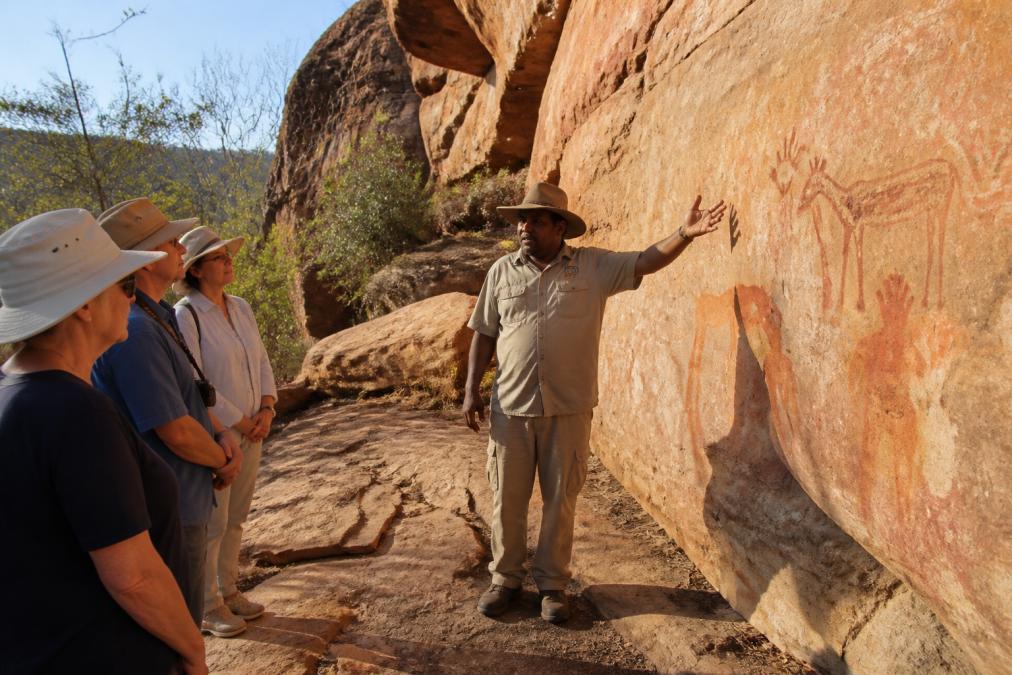
Rock galleries in remote Australia contain some of the oldest continuous artistic traditions on Earth, records of knowledge systems, spiritual beliefs, territorial markers, and stories maintained across thousands of years (aiatsis.gov.au).
When an Indigenous guide takes you to rock art sites on their country, they explain not just what images depict, but why they're placed where they are, what stories they tell, and how they connect to the landscape, seasons, and cultural practices. A typical experience involves walking to a site (distances vary from 500 metres to several kilometres) and listening to storytelling that contextualises what you're seeing.
The most valuable rock art experiences include time for genuine dialogue. You're in conversation with someone whose culture created and maintains this knowledge, transforming the experience from educational tourism into cultural exchange. Many guides will explain which sites can be photographed and which should be experienced without a camera, respecting these boundaries is part of authentic engagement.
How to Plan a Remote Outback Itinerary That Respects Local Culture
Planning a remote outback itinerary requires balancing physical comfort, cultural sensitivity, logistical feasibility, and genuine access to experiences unavailable to standard tourists.
Choose an operator with genuine relationships with communities you'll visit. Look for operators who employ Indigenous guides, can name specific communities they work with, and explain how they've built those relationships. Understanding what "small group" means matters too, 8-12 people allows genuine interaction with guides and communities, while 20+ reverts to standard tourism logistics.
Seasonal considerations and weather planning
Remote Australia's climate varies dramatically by region and season. The outback experiences extreme heat in summer (December to February), with temperatures regularly exceeding 35°C (bom.gov.au). Winter (June to August) brings cooler nights and more comfortable daytime temperatures. The far north experiences a monsoon season (November to March) that makes many tracks impassable (bom.gov.au). The best windows for outback travel are typically April to May and August to September.
Your physical tolerance for heat and dust should inform your seasonal choice. Water availability is another consideration, many remote areas rely on bores and tanks that can run low in extended dry periods. Good operators build flexibility into itineraries with backup routes if weather makes the planned route unsafe.
Logistical essentials for remote travel comfort
Purpose-designed 4WD vehicles with high ground clearance, proper suspension, and adequate water and fuel capacity are non-negotiable. Accommodation varies from established camps with powered sites to swag camping (a canvas sleeping system providing shelter without a tent).
Communication is critical, many remote areas have no mobile coverage. Responsible operators carry satellite communication devices and file detailed trip plans with authorities. Confirm what meals will be provided and whether dietary requirements can be accommodated. Ask specifically about the longest walk in a day, terrain you'll encounter, and what happens if you can't complete an activity. A good operator will have alternatives built in.
Insurance and emergency protocols matter more in remote areas. Confirm your operator has comprehensive insurance and that evacuation procedures are documented.
Bush Tucker and Traditional Food Experiences
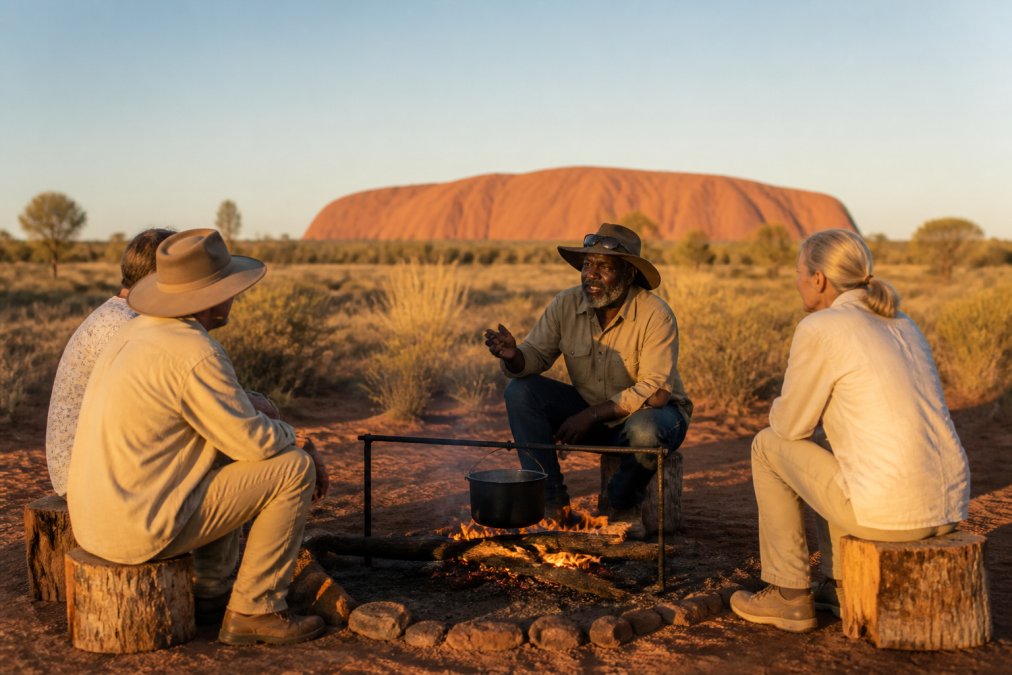
Bush tucker, native Australian plants and animals used as food, represents one of the most direct connections to the land and to Indigenous knowledge systems. These experiences aren't novelty additions; they're integrated into how the group eats, incorporating native ingredients because that's what's available and what the guide's culture has always used.
Common bush tucker experiences include tasting wattleseed, native pepperberries, finger limes, and foods like witchetty grubs. The food itself is less important than understanding the knowledge required to identify, harvest, and prepare it safely. The best experiences include time for genuine conversation about food culture, how seasonal availability shaped movement patterns, and how this knowledge has been maintained and transmitted.
Walking Trails, Stargazing, and Nature-Based Immersion
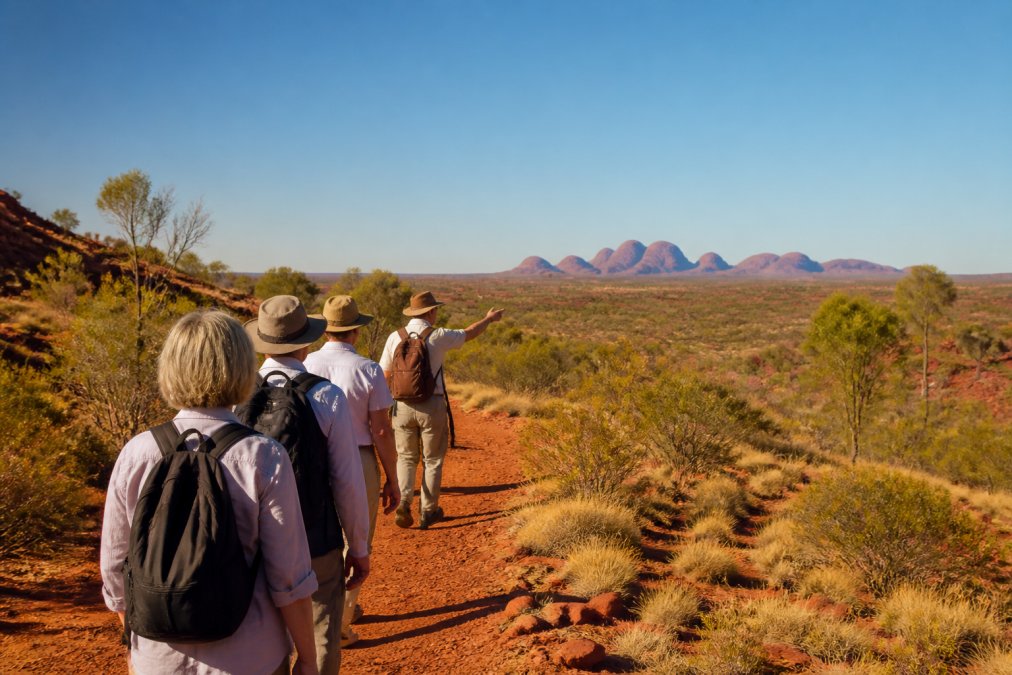
Walking trails in remote Australia range from gentle 2-kilometre walks to more demanding full-day treks. The appeal is the landscape and pace, you're moving slowly enough to notice details, have conversations with your guide, and genuinely absorb where you are. A guide will point out water sources, explain how the landscape shaped movement patterns, identify plants and animals, and tell stories connected to specific locations.
Stargazing in remote Australia is remarkable because light pollution is minimal. The night sky contains detail invisible from populated regions. A guided stargazing experience involves moving away from camp to a dark location, allowing your eyes to adjust (20-30 minutes), and having a guide point out constellations, planets, and deep-sky objects. Indigenous guides often explain how constellations feature in their cultural astronomy and told stories about seasons and navigation.
Nature-based immersion encompasses bird watching, landscape photography, and quiet observation. The common thread is pace, you're spending enough time in locations to notice change, how light shifts through the day, and how the landscape reveals different features as you look longer.
Small-Group Outback Tour Benefits for Mature Travellers
Small-group tours offer specific advantages for mature travellers that larger operations can't match. A group of 8-12 people moves differently than 30, allowing decisions about stops, timing, and activities to be made with input from the actual group rather than a predetermined schedule.
Guides in small groups can tailor explanations and activities to the group's interests and abilities. Safety and support are more personal, guides notice if someone's struggling and can adjust activities accordingly. Physical comfort is easier to manage: vehicles aren't overcrowded, camp setups are more spacious, and catering can accommodate dietary needs without logistical complexity.
The social experience is fundamentally different. In a small group, you get to know other participants, friendships form, and there's a genuine sense of shared adventure rather than transactional tourism.
Sustainable Travel Practices and Cultural Etiquette
Sustainable travel in remote Australia means understanding that your presence has impacts on the landscape, wildlife, and communities. Responsible operators manage these impacts actively.
Environmental sustainability involves staying on established tracks, managing waste carefully, minimising water use in water-scarce regions, and avoiding activities that disturb wildlife. Cultural sustainability means respecting protocols around sacred sites and recognising that communities have the right to control how their culture is shared.
Specific etiquette includes asking permission before photographing people, understanding that some sites are restricted for cultural reasons, respecting privacy in shared camps, following guide instructions without negotiation, and recognising that guides are professionals sharing knowledge, not entertainers. A responsible operator will brief you thoroughly on these practices before you arrive.
Planning authentic local experiences in remote Australia requires choosing operators who prioritise genuine relationships with communities, understand that small groups enable deeper engagement, and manage both environmental and cultural sustainability actively. Curious Compass Collective's approach, with intentionally small groups, Indigenous guides, and thoughtfully paced itineraries, reflects these principles. The Kimberley Nulla Nulla Safari, The Pajinka Tour, and other expeditions are designed to deliver meaningful connection rather than rushed sightseeing. Explore their current offerings and discuss your interests with their team to find an experience that matches your vision of authentic remote adventure.
Frequently Asked Questions
What makes authentic local experiences in remote Australia different from typical guided tours?
Authentic local experiences prioritise genuine connection with Indigenous communities and local custodians over staged attractions. Rather than following crowded tourist trails, these experiences involve direct engagement with traditional knowledge holders, participation in cultural protocols like smoking ceremonies, and access to stories and places meaningful to local people. Small-group settings allow deeper conversation and personalised attention, ensuring you're learning from actual community members rather than corporate tour scripts.
How do I plan a remote outback itinerary that respects Indigenous culture and local communities?
Start by choosing tours led by or partnering directly with Indigenous organisations and traditional custodians. Research seasonal considerations, some areas are sensitive during specific times of year. Build in time for unhurried experiences rather than rushing between sites. Ask your guide about cultural protocols before visiting sacred sites or participating in ceremonies. Confirm that your tour operator shares profits fairly with communities and employs local guides. Avoid taking photographs of sacred art or ceremonies without explicit permission, and always follow your guide's lead on appropriate behaviour.
What are the main benefits of small-group outback tours for mature travellers?
Small-group outback tours offer comfort, safety, and personalised attention without the exhaustion of large tour groups. Vehicles can be purpose-designed for rough terrain whilst maintaining comfort for those with mobility concerns. Guides set a thoughtful pace that allows time for storytelling, questions, and genuine connection. Groups stay small enough that everyone's needs are considered, whether that's extra rest stops, dietary preferences, or mobility support. Expert guides provide context and safety expertise in remote areas where self-guided travel poses risks, and the intimate group atmosphere encourages meaningful friendships among travellers.
How can I ensure my remote travel supports Indigenous-led tourism initiatives responsibly?
Book directly with Indigenous-owned tour operators or ask tour companies to verify that Indigenous communities receive fair compensation and decision-making power over their cultural content. Support businesses that employ local guides and invest profits back into communities. Avoid operators that commodify sacred practices or allow unlimited photography of ceremonial events. Ask questions about conservation efforts and cultural preservation, responsible operators should be transparent about how they protect sensitive sites and knowledge. Choose smaller, curated experiences over mass-market 'Aboriginal experiences' that may not involve genuine community leadership.
What logistical essentials should I prepare for a comfortable remote outback adventure?
Pack layers for temperature swings between day and night, outback conditions can be extreme. Bring sun protection, a wide-brimmed hat, and quality sunscreen. Wear sturdy, broken-in walking shoes suitable for uneven terrain. If you have mobility concerns, discuss them with your operator beforehand so they can arrange appropriate vehicle support and activity modifications. Carry prescribed medications in original containers and inform your guide of any health conditions. Stay hydrated, bring a reusable water bottle and drink regularly. Check vehicle specifications and insurance before departure, and confirm that your operator has satellite communication and first-aid capabilities for remote areas.
What cultural etiquette should I follow when visiting remote Indigenous communities?
Always ask permission before photographing people, sacred sites, or cultural practices, many communities restrict photography entirely. Don't touch rock art or sacred objects. Listen more than you speak; Indigenous guides and community members are there to share knowledge on their terms, not to answer every question. Respect restricted areas and follow your guide's instructions without question. Avoid stereotyping or making assumptions about Indigenous culture based on media representations. Use respectful language, ask your guide what terms the local community prefers. Show gratitude by purchasing from local artisans and businesses, and by treating the landscape and its stories with reverence.
How do I find genuine small-group tours that focus on local storytelling rather than tourist attractions?
Look for operators who partner directly with Indigenous communities and employ local guides as storytellers, not just logistics coordinators. Check whether the operator has long-standing relationships with specific regions and communities, this indicates genuine connection rather than transient tourism. Read reviews from mature travellers specifically, as they often highlight whether the pace and depth matched their expectations. Ask the operator directly: How many people are in each group? What percentage of the tour fee goes to local communities? Who decides what stories and sites are shared? Operators transparent about these details are more likely to offer authentic experiences.
What should I know about bush tucker and traditional food experiences in remote areas?
Bush tucker experiences range from learning to identify native plants and traditional foods during walking tours to sharing meals prepared by local cooks using Indigenous ingredients and methods. These experiences offer insight into how Indigenous peoples have sustained themselves on the land for thousands of years. Some tours include hands-on food preparation; others focus on tasting and storytelling around shared meals. Discuss dietary requirements and food allergies with your operator beforehand, many traditional foods are unfamiliar, and operators should provide alternatives. Respectful bush tucker experiences involve learning the cultural significance of foods, not just sampling novelties.
This article was written using GrandRanker
Frequently Asked Questions
What makes authentic local experiences in remote Australia different from typical guided tours?
Authentic local experiences prioritise genuine connection with Indigenous communities and local custodians over staged attractions. Rather than following crowded tourist trails, these experiences involve direct engagement with traditional knowledge holders, participation in cultural protocols like smoking ceremonies, and access to stories and places meaningful to local people. Small-group settings allow deeper conversation and personalised attention, ensuring you're learning from actual community members rather than corporate tour scripts.
How do I plan a remote outback itinerary that respects Indigenous culture and local communities?
Start by choosing tours led by or partnering directly with Indigenous organisations and traditional custodians. Research seasonal considerations—some areas are sensitive during specific times of year. Build in time for unhurried experiences rather than rushing between sites. Ask your guide about cultural protocols before visiting sacred sites or participating in ceremonies. Confirm that your tour operator shares profits fairly with communities and employs local guides. Avoid taking photographs of sacred art or ceremonies without explicit permission, and always follow your guide's lead on appropriate behaviour.
What are the main benefits of small-group outback tours for mature travellers?
Small-group outback tours offer comfort, safety, and personalised attention without the exhaustion of large tour groups. Vehicles can be purpose-designed for rough terrain whilst maintaining comfort for those with mobility concerns. Guides set a thoughtful pace that allows time for storytelling, questions, and genuine connection. Groups stay small enough that everyone's needs are considered—whether that's extra rest stops, dietary preferences, or mobility support. Expert guides provide context and safety expertise in remote areas where self-guided travel poses risks, and the intimate group atmosphere encourages meaningful friendships among travellers.
How can I ensure my remote travel supports Indigenous-led tourism initiatives responsibly?
Book directly with Indigenous-owned tour operators or ask tour companies to verify that Indigenous communities receive fair compensation and decision-making power over their cultural content. Support businesses that employ local guides and invest profits back into communities. Avoid operators that commodify sacred practices or allow unlimited photography of ceremonial events. Ask questions about conservation efforts and cultural preservation—responsible operators should be transparent about how they protect sensitive sites and knowledge. Choose smaller, curated experiences over mass-market 'Aboriginal experiences' that may not involve genuine community leadership.
What logistical essentials should I prepare for a comfortable remote outback adventure?
Pack layers for temperature swings between day and night—outback conditions can be extreme. Bring sun protection, a wide-brimmed hat, and quality sunscreen. Wear sturdy, broken-in walking shoes suitable for uneven terrain. If you have mobility concerns, discuss them with your operator beforehand so they can arrange appropriate vehicle support and activity modifications. Carry prescribed medications in original containers and inform your guide of any health conditions. Stay hydrated—bring a reusable water bottle and drink regularly. Check vehicle specifications and insurance before departure, and confirm that your operator has satellite communication and first-aid capabilities for remote areas.
What cultural etiquette should I follow when visiting remote Indigenous communities?
Always ask permission before photographing people, sacred sites, or cultural practices—many communities restrict photography entirely. Don't touch rock art or sacred objects. Listen more than you speak; Indigenous guides and community members are there to share knowledge on their terms, not to answer every question. Respect restricted areas and follow your guide's instructions without question. Avoid stereotyping or making assumptions about Indigenous culture based on media representations. Use respectful language—ask your guide what terms the local community prefers. Show gratitude by purchasing from local artisans and businesses, and by treating the landscape and its stories with reverence.
How do I find genuine small-group tours that focus on local storytelling rather than tourist attractions?
Look for operators who partner directly with Indigenous communities and employ local guides as storytellers, not just logistics coordinators. Check whether the operator has long-standing relationships with specific regions and communities—this indicates genuine connection rather than transient tourism. Read reviews from mature travellers specifically, as they often highlight whether the pace and depth matched their expectations. Ask the operator directly: How many people are in each group? What percentage of the tour fee goes to local communities? Who decides what stories and sites are shared? Operators transparent about these details are more likely to offer authentic experiences.
What should I know about bush tucker and traditional food experiences in remote areas?
Bush tucker experiences range from learning to identify native plants and traditional foods during walking tours to sharing meals prepared by local cooks using Indigenous ingredients and methods. These experiences offer insight into how Indigenous peoples have sustained themselves on the land for thousands of years. Some tours include hands-on food preparation; others focus on tasting and storytelling around shared meals. Discuss dietary requirements and food allergies with your operator beforehand—many traditional foods are unfamiliar, and operators should provide alternatives. Respectful bush tucker experiences involve learning the cultural significance of foods, not just sampling novelties.