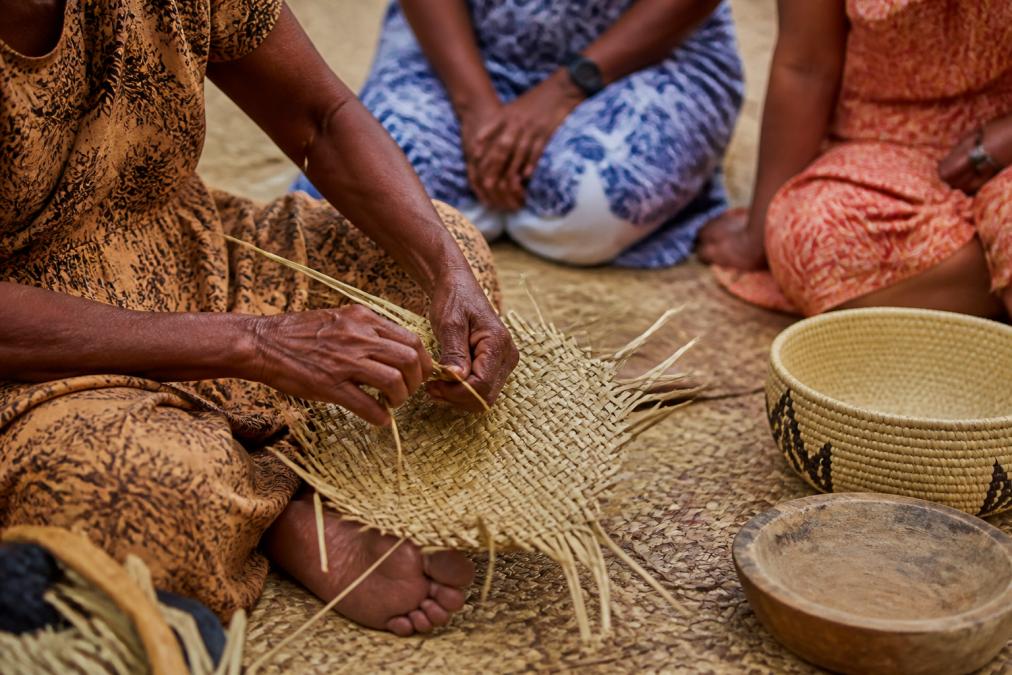
 listicle
Authentic Cultural Experiences: A Guide to Immersive Travel
Table of Contents
- Authentic Cultural Experiences: A Guide to Immersive Travel
- 1. Aboriginal Guided Tours Through Ancient Rainforest
- 2. Indigenous Rock Art Galleries and Sacred Sites
- 3. Traditional Storytelling and Cultural Workshops
- 4. Luxury Cultural Lodges and Wilderness Camps
- 5. Living Culture: Community-Led Experiences
- Best Practices for Respectful Cultural Tourism
- 6. Small-Group Immersive Journeys for Mature Travellers
- Conclusion
- Frequently Asked Questions
Last Updated: September 2, 2026
Authentic Cultural Experiences: A Guide to Immersive Travel
Authentic cultural experiences connect you directly to the living heritage of Indigenous peoples across the region. Unlike packaged tourist attractions that reduce complex histories to spectacle, genuine immersion offers the opportunity to learn from Traditional Owners themselves, understand the landscape through their eyes, and support communities committed to cultural preservation.
At Curious Compass Collective, we've learned that transformative experiences depend on three factors: the guide's knowledge and connection to Country, the pace that allows real conversation, and intimate group sizes that keep experiences personal rather than transactional.
This guide covers meaningful ways to engage with Indigenous heritage, from guided walks through ancient rainforest to community-led experiences that put Traditional Owners in control of how their culture is shared. We'll address the ethical considerations that separate respectful tourism from exploitation, and show you how to prepare for experiences that genuinely change how you understand this place.
1. Aboriginal Guided Tours Through Ancient Rainforest
Indigenous-guided walks through ancient rainforest offer something no self-guided hike can deliver: the stories embedded in the landscape itself. When you walk with a Traditional Owner, you're learning how every plant has purpose, food, medicine, tools, ceremony, and how the land itself is a living archive of knowledge accumulated over tens of thousands of years.
The Mossman Gorge Centre in Far North Queensland operates Ngadiku Dreamtime Walks led by Kuku Yalanji guides. These half-day experiences begin with a traditional smoking ceremony, then move into the rainforest where guides demonstrate plant use, identify bush foods, and share stories of cultural significance. You'll taste bush tea and damper cooked over an open fire, learning directly from people whose ancestors have lived on this land since before written history.
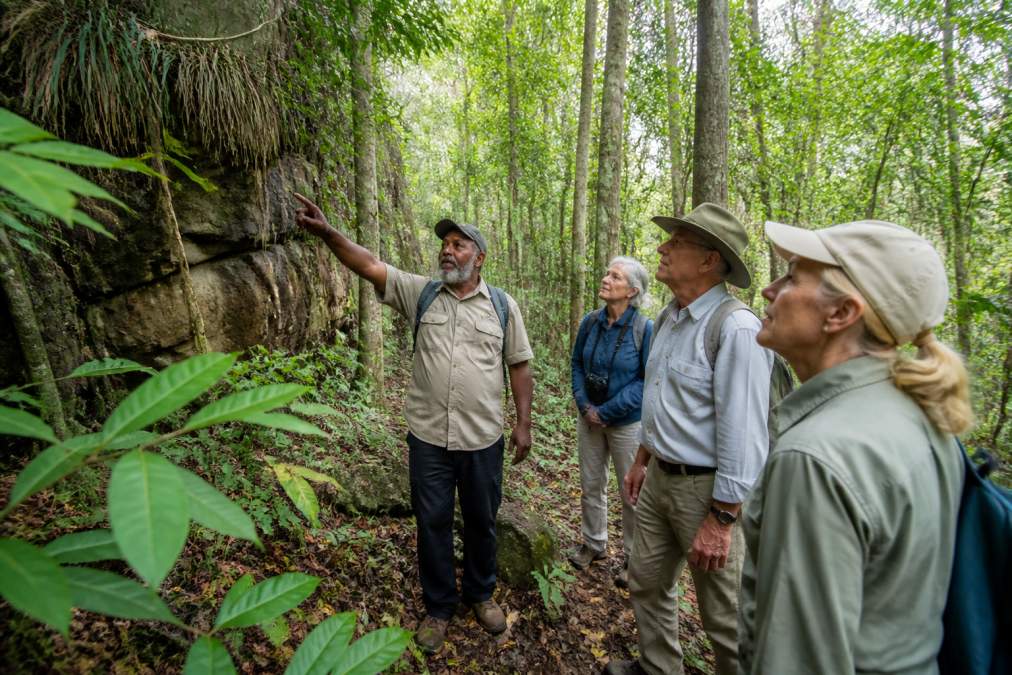
What makes these walks different from a nature documentary is the lived connection. Guides aren't reciting prepared scripts; they're sharing knowledge passed down through their families. You'll hear about seasonal calendars that determined when to harvest specific plants, about tools that required years of skill to craft, and about the way Country, the land itself, is understood as a living relative rather than a resource to exploit.
Venture North Australia specialises in small-group 4WD tours into remote areas including Arnhem Land and the Cobourg Peninsula, regions requiring special permits and local knowledge. These multi-day journeys include bush-tucker walks, ancient rock art sites, and traditional skills demonstrations led by Aboriginal guides, with maximum group sizes of six passengers, fundamentally changing the experience by creating space for genuine conversation.
2. Indigenous Rock Art Galleries and Sacred Sites
Ancient rock art represents one of the world's oldest continuous artistic traditions. Some sites contain images created over 65,000 years ago, yet remain culturally active, still used in ceremonies and teaching young people about creation stories and cultural law. Visiting these galleries with Indigenous guides transforms what might otherwise feel like museum viewing into an encounter with living culture.
Kakadu Cultural Tours, owned and operated by the Djabulukgu Association, offers the Guluyambi Cultural Cruise on the East Alligator River. An Aboriginal guide narrates as you travel through the landscape, stopping at rock art sites to explain the stories, techniques, and cultural significance. This is knowledge from Traditional Owners about their own heritage, not interpretation filtered through a non-Indigenous perspective.
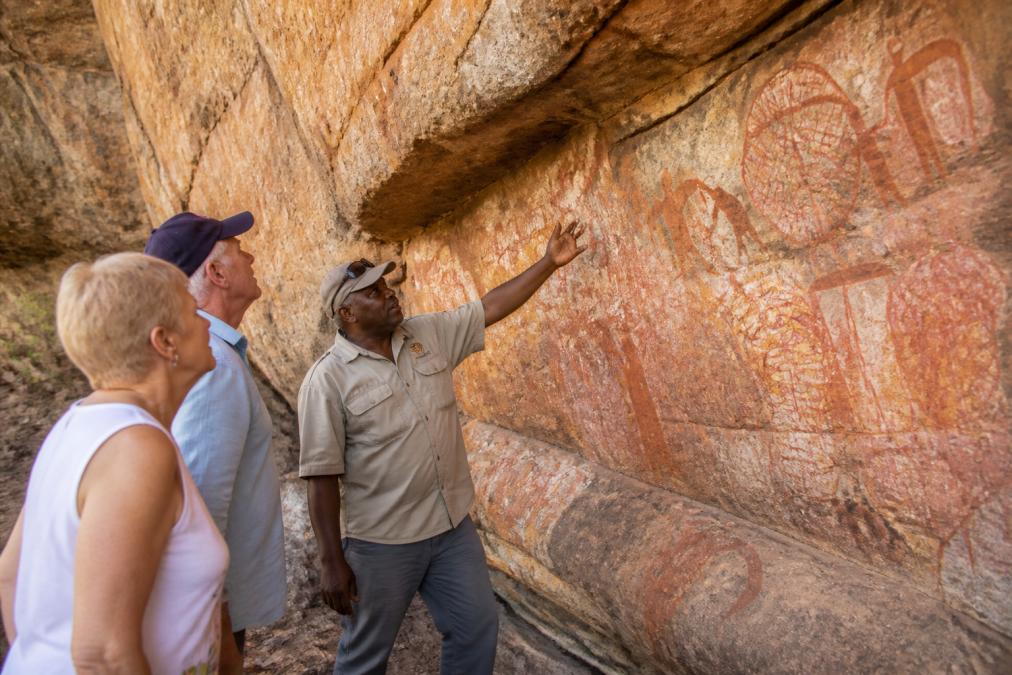
The Wilpena Pound Resort in the Flinders Ranges offers the Yura Mulka Cultural Walk, which takes you to sacred sites closed to the general public. An Adnyamathanha Traditional Owner shares stories about creation, the animals and plants that share this landscape, and how the land encodes law and knowledge. These are real stories told by people who belong to Country.
What distinguishes these experiences from museum viewing is context. You see paintings in the landscape where they were created, at the time of day when light hits them a particular way, while standing in places where ceremonies still happen.
3. Traditional Storytelling and Cultural Workshops
Storytelling is how knowledge survives. Before writing existed, stories carried law, history, ecological knowledge, and spiritual understanding across generations. Participating in traditional storytelling experiences connects you to ways of knowing that predate industrial culture.
Koomal Dreaming, led by Wadandi custodian Josh Whiteland in the Margaret River region of Western Australia, offers immersive cultural experiences centred on Wadandi traditions. You'll hear didgeridoo and traditional music, learn about bush medicine and traditional tools, and hear creation stories told by someone whose cultural responsibility includes passing this knowledge forward. The emphasis is on active participation rather than passive observation.
Royal Botanic Garden Sydney offers Aboriginal Heritage Tours focusing on plant knowledge. A 90-minute walk explores how the Gadigal people used plants for food, medicine, and shelter. You'll taste bush foods and learn identification techniques refined over millennia.
How to Prepare for Indigenous Cultural Workshops
Before booking: Research whether the organization is Indigenous-led or Indigenous-owned. Are profits supporting the community? Check whether guides are from the local area. Authentic experiences centre the knowledge and agency of Traditional Owners.
Before attending: Read the cultural context provided by the organization. Understand which language group and Country you'll be on. Know the names of Traditional Owners. This is respect, and it makes the experience richer.
Arrive with genuine curiosity rather than assumptions. Different nations have completely different languages, stories, laws, and practices. What you learn from Kuku Yalanji guides won't be identical to what Adnyamathanha guides share, and that's the reality of cultural diversity.
Bring questions, but listen more than you talk. If something doesn't make sense, ask with genuine openness rather than skepticism.
Respect restrictions without needing them explained. If a guide says photography isn't permitted, don't ask why. Your job is to respect the boundary.
4. Luxury Cultural Lodges and Wilderness Camps
Immersive cultural experiences don't require sacrificing comfort. Several operators combine quality accommodation with authentic Indigenous-led experiences, allowing deep engagement with culture while returning each evening to proper facilities.
Voyages Indigenous Tourism Australia manages Ayers Rock Resort in the Red Centre, providing access to Uluru through the lens of Anangu Traditional Owners. The resort offers various accommodation levels and experiences ranging from guided walks to cultural workshops, with cultural content coming directly from Anangu guides.
Hawk Dreaming Wilderness Lodge, operated by Kakadu Cultural Tours, provides accommodation on Kakadu National Park while offering daily cultural and nature-based experiences. The lodge is modest wilderness accommodation, but positioned to give you extended time on Country with guides who know the landscape intimately.
The appeal of lodge-based experiences is time. Instead of a rushed half-day tour, you might spend three days on Country, allowing slower pace, deeper conversation, and the repetition that helps knowledge sink in.
5. Living Culture: Community-Led Experiences
The most authentic cultural experiences happen when communities themselves control how their culture is shared. This might mean visiting an art centre where Indigenous artists sell their work directly, attending a community event, or participating in activities organised by the community.
The Injalak Art Centre in Kakadu is community-owned and operated, showcasing work by Gunwinggu and other local artists. You're seeing work created by living artists, often with the artists themselves present. You're supporting the artists directly and encountering culture as something alive and evolving rather than historical.
Community cultural events, festivals, and markets offer authenticity because they're designed for the community, not tourists. When you attend as a respectful guest, you're witnessing culture on its own terms.
Best Practices for Respectful Cultural Tourism
Ethical engagement with Indigenous culture requires understanding power dynamics and actively choosing to support rather than extract.
Money should flow to communities. Ask whether the organisation is Indigenous-owned and whether guides are from the local area. A guide from the local nation generates more community benefit than one flown in from elsewhere.
Consent matters. Some sacred sites shouldn't be visited by outsiders, some stories shouldn't be shared with non-community members, and some ceremonies are for community only. Respectful tourism means accepting these boundaries without resentment.
Photography and recording require permission. Some guides will ask you to put cameras away during certain parts of tours. This protects cultural and spiritual integrity. Comply without explanation-seeking.
Language and naming matter. Use proper names for places, peoples, and languages when you learn them. "Aboriginal" is a broad umbrella term; specific nations have specific names. Using those names is a genuine form of respect.
Support cultural preservation, not cultural tourism. The goal is to understand culture, support the communities that hold it, and recognise that culture exists for the people who created it, not for visitor entertainment.
6. Small-Group Immersive Journeys for Mature Travellers
The pace of your experience determines what you absorb. Fast-moving itineraries leave you exhausted with surface-level understanding. Small-group journeys designed for mature travellers prioritise depth over coverage.
Curious Compass Collective designs tours specifically for travellers aged 40 and above who want authentic cultural immersion without physical exhaustion. The Pajinka Tour, a 14 or 9-day journey from Cairns to Cape York via Cooktown, Daintree, and Cape Tribulation, combines Indigenous cultural experiences with rainforest exploration at a pace allowing genuine engagement. You're spending real time in each place, learning from local guides and community members.
The 21-day Kimberley Nulla Nulla Camping Safari and the 14-day fully accommodated Kimberley tour offer extended immersion in one of the most culturally rich regions. Rather than trying to see everything, you're going deep into specific areas, learning from guides who know the landscape and its stories intimately.
What distinguishes these journeys is intentionality. Group sizes are small enough that guides can adapt to participant pace and interests. Itineraries build in reflection time rather than filling every moment with activities. You're travelling with people who share similar values around cultural respect and authentic engagement.
Conclusion
Authentic cultural experiences begin with understanding that you're a guest in someone else's Country, learning from people whose connection to place runs thousands of years deep. The experiences that genuinely change how you see the world are the ones where you slow down, listen carefully, and let yourself be genuinely curious about ways of knowing different from your own.
When you choose small-group journeys designed for thoughtful engagement, you're supporting communities committed to keeping culture alive, learning from guides who are cultural authorities rather than hired performers, and participating in something that matters beyond the tourist economy.
Kakadu National Park's official cultural information provides detailed context on the region's Indigenous heritage and protocols for respectful visitation. Tourism Australia's Indigenous tourism directory lists certified Indigenous-owned and operated experiences across the country.
Curious Compass Collective specialises in intentional, small-group cultural immersion. Our guides are storytellers trained to move at a pace allowing genuine learning. Our itineraries prioritise depth over coverage, giving you real time in each place. Whether you're exploring the Kimberley, the Daintree, or the Flinders Ranges, you're travelling with people who understand that meaningful experiences happen when you stop rushing and actually listen.
| Experience Type | Best For | Duration | Group Size | Cultural Depth |
|---|---|---|---|---|
| Aboriginal guided rainforest walks | Travellers seeking plant knowledge and storytelling | Half-day | 8-15 people | High (led by Traditional Owners) |
| Rock art gallery tours with Indigenous guides | Those interested in ancient artistic traditions | 2-4 hours | 6-12 people | High (context from Traditional Owners) |
| Community art centres and markets | Visitors wanting direct artist engagement | Self-directed | Variable | High (artist-led, not packaged) |
| Luxury lodge cultural experiences | Mature travellers wanting comfort and immersion | 3-7 days | 6-20 people | Medium-high (depends on guide quality) |
| Small-group multi-day journeys | Mature travellers seeking depth and pace | 9-21 days | 6-12 people | Very high (extended time, expert guides) |
Frequently Asked Questions
What makes authentic cultural experiences different from typical tourist attractions?
Authentic cultural experiences are led by Indigenous guides, Traditional Owners, or community members who share lived knowledge and cultural significance. They focus on genuine storytelling, sacred sites, and traditional practices rather than packaged entertainment. Real immersion involves smaller groups, unhurried pacing, and direct engagement with local customs and heritage, avoiding the conveyor-belt approach of mass tourism.
How should I prepare for indigenous cultural workshops?
Research the specific culture and region beforehand to understand context. Wear comfortable, respectful clothing suitable for outdoor terrain. Arrive with an open mind and genuine curiosity rather than expectations. Ask your guide about photography restrictions and sacred protocols in advance. Bring water, sun protection, and any required medications. Most importantly, listen more than you speak, follow your guide's lead, and show respect for the land and its significance to Traditional Owners.
What are the best practices for respectful cultural tourism?
Support Indigenous-owned and operated tours where Traditional Owners directly benefit. Ask permission before photographing people, art, or sacred sites. Avoid touching rock art or artefacts. Listen to guides without interrupting. Purchase from local artisans and businesses. Never enter restricted areas or sacred sites without permission. Acknowledge that you are a guest on Country. Choose smaller group sizes to minimise impact. Commit to learning rather than collecting experiences for social media.
Are there cultural tours designed specifically for mature travellers?
Yes. Small-group operators focus on thoughtfully paced itineraries with expert guides who prioritise comfort and safety. Tours feature guided base walks rather than strenuous hiking, purpose-designed 4WD vehicles with proper seating, and flexible scheduling that avoids rushing. Many offer customisable private group options for clubs and social groups. These experiences emphasise storytelling and cultural immersion over physical endurance, making them ideal for active seniors seeking meaningful engagement.
This article was written using GrandRanker
Frequently Asked Questions
What makes authentic cultural experiences different from typical tourist attractions?
Authentic cultural experiences are led by Indigenous guides, Traditional Owners, or community members who share lived knowledge and cultural significance. They focus on genuine storytelling, sacred sites, and traditional practices rather than packaged entertainment. Real immersion involves smaller groups, unhurried pacing, and direct engagement with local customs and heritage—avoiding the conveyor-belt approach of mass tourism.
How should I prepare for indigenous cultural workshops?
Research the specific culture and region beforehand to understand context. Wear comfortable, respectful clothing suitable for outdoor terrain. Arrive with an open mind and genuine curiosity rather than expectations. Ask your guide about photography restrictions and sacred protocols in advance. Bring water, sun protection, and any required medications. Most importantly, listen more than you speak, follow your guide's lead, and show respect for the land and its significance to Traditional Owners.
What are the best practices for respectful cultural tourism?
Support Indigenous-owned and operated tours where Traditional Owners directly benefit. Ask permission before photographing people, art, or sacred sites. Avoid touching rock art or artefacts. Listen to guides without interrupting. Purchase from local artisans and businesses. Never enter restricted areas or sacred sites without permission. Acknowledge that you are a guest on Country. Choose smaller group sizes to minimise impact. Commit to learning rather than collecting experiences for social media.
Are there cultural tours designed specifically for mature travellers?
Yes. Small-group operators focus on thoughtfully paced itineraries with expert guides who prioritise comfort and safety. Tours feature guided base walks rather than strenuous hiking, purpose-designed 4WD vehicles with proper seating, and flexible scheduling that avoids rushing. Many offer customisable private group options for clubs and social groups. These experiences emphasise storytelling and cultural immersion over physical endurance, making them ideal for active seniors seeking meaningful engagement.